Report Launch – Status Quo or Bold Adaptation? Reclaiming the Women, Peace and Security agenda
15/09/2025
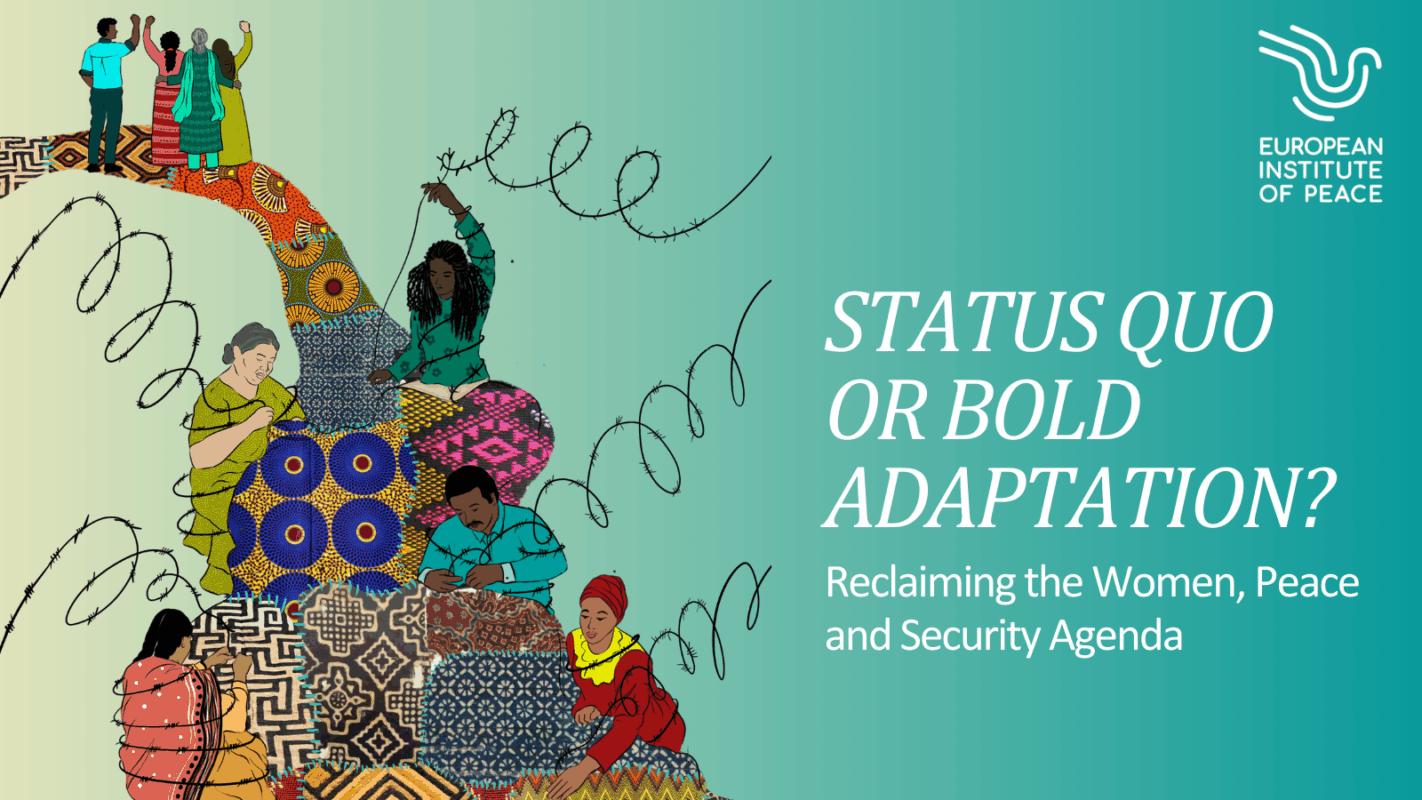
After 25 years of UN Security Council Resolution 1325, we stand at a critical crossroads. The Women, Peace and Security agenda – once a beacon of transformative possibility – faces multiple threats: political space for gender equality is narrowing, commitments and funding are eroding, and in many contexts, we are witnessing the agenda going into reverse.
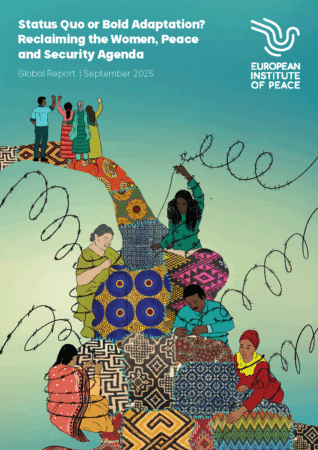
Our new report, “Status Quo or Bold Adaptation? Reclaiming the Women, Peace and Security Agenda,” charts a path forward rooted in feminist principles: radical inclusivity and decolonial thinking.
Through extensive interviews, surveys and in-depth case studies in Ethiopia, Sudan and Myanmar, we identified five persistent barriers preventing women’s meaningful participation in conflict prevention and peace processes:
- Persistent patriarchal power and resistance
- Threats to women’s safety and ongoing trauma
- Narrow, hierarchical and siloed efforts
- Incrementalism, exclusion and marginalisation
- Inadequate financial and weak political investment
But this research goes beyond identifying the problems. We have analysed 12 promising practices that can work, distinguishing between well-meaning practices that fail and those grounded in feminist peace principles. The research revealed that many well-intentioned WPS efforts fail because they operate within existing limitations rather than transform the systems that create those limitations.
Our recommendations for practitioners to strengthen the WPS agenda from within call for:
- Men stepping up in solidarity
- Gender-responsive security and trauma-informed approaches
- Women, Peace and Security integrated across all government functions
- Meaningful gender quotas in all peace processes
- Radical reparative funding for feminist organisations
As we approach the 25th anniversary of UNSCR 1325, we have a choice: accept the status quo and watch the WPS agenda continue to erode, or embrace bold adaptation that matches the transformative vision women peacebuilders have been pushing for.
The evidence is clear. The solutions are available. The question now is whether we have the political will to implement them.
The time to act boldly is now.
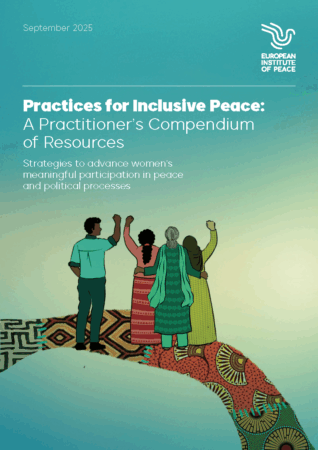
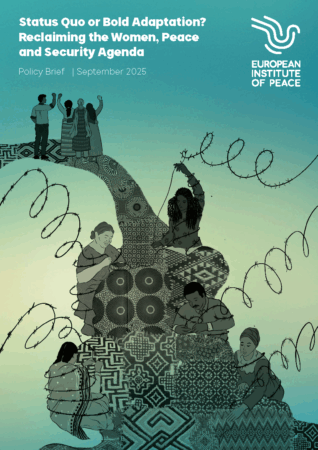
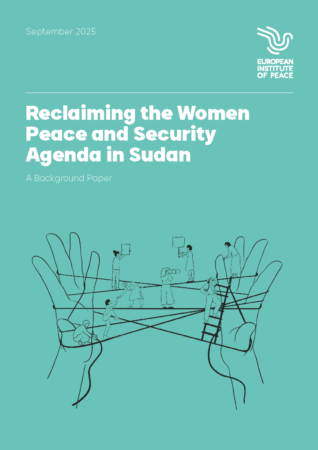
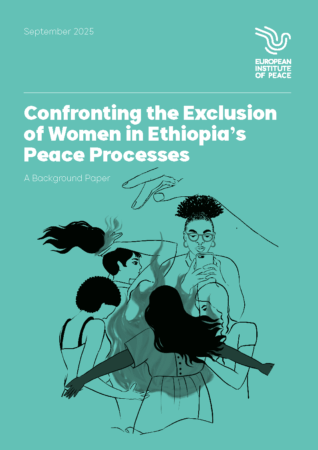
This report exists thanks to the courage and wisdom of peacebuilders, especially those in Myanmar, Sudan and Ethiopia, who shared their lived experiences with us. Our recommendations reflect their shared knowledge. We are grateful for their contributions, and we extend our sincere appreciation to the German Federal Foreign for funding this critical research.


