Women, Peace and Security at a Crossroads: Funding, Localising and Reclaiming the Next 25 Years
12/11/2025
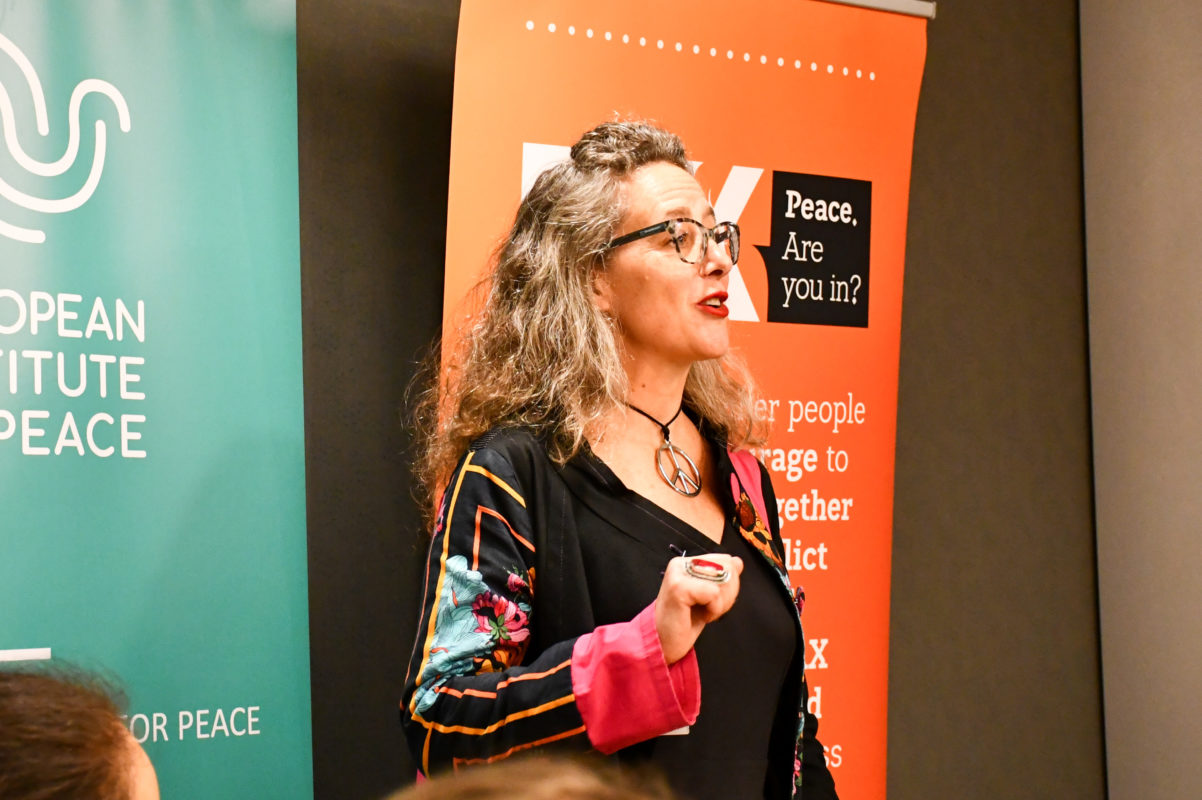
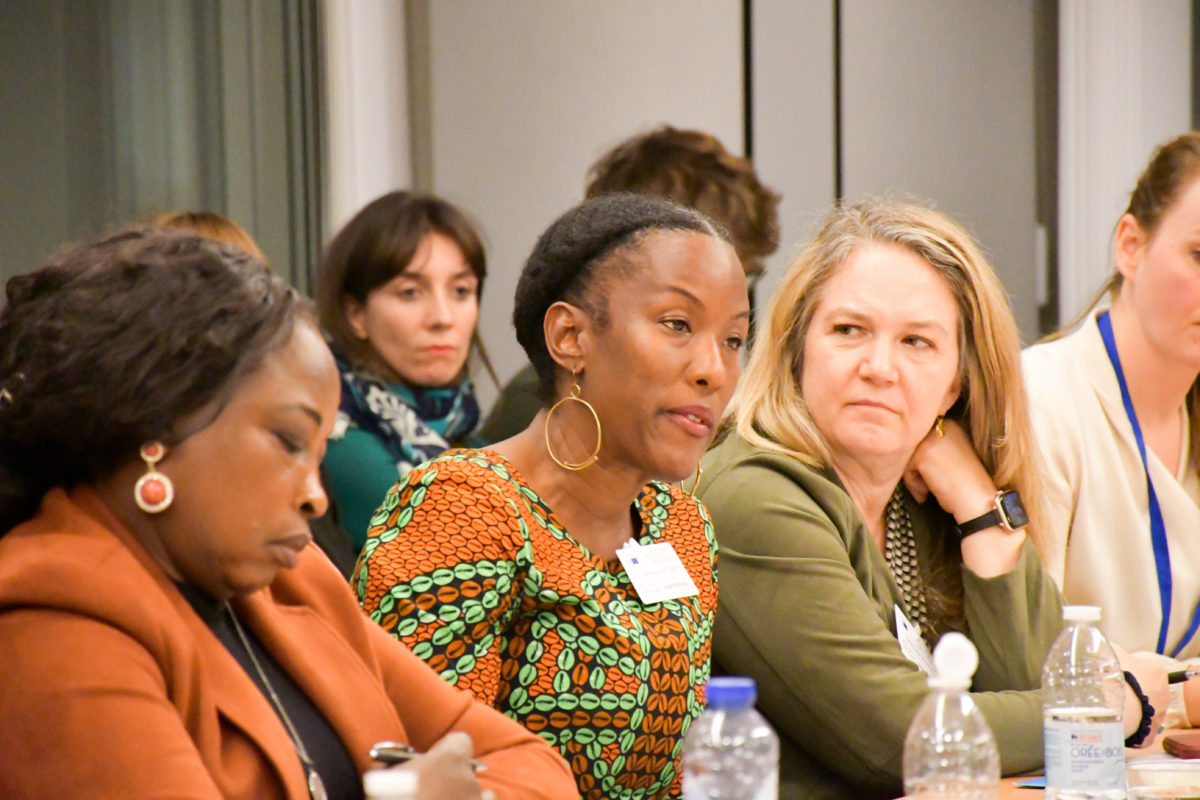
On 5 November 2025, UN Women, PAX and the European Institute of Peace jointly organised a high-level discussion on “Women, Peace and Security at a Crossroads: Funding, Localising and Reclaiming the Next 25 Years” at the European Parliament. Marking the 25th anniversary of UNSCR 1325 and the European Parliament Gender Equality Week, the event was co-hosted by MEP Abir Al-Sahlani (Renew), MEP Evin Incir (S&D), and MEP Hannah Neumann (The Greens) and brought together frontline activists from Iraq, Sudan, and Ukraine, Members of the European Parliament, EU Member States, UN representatives, and civil society leaders.
The message was clear: the next 25 years of WPS must be funded, localised, and reclaimed.
In the EU and Beyond
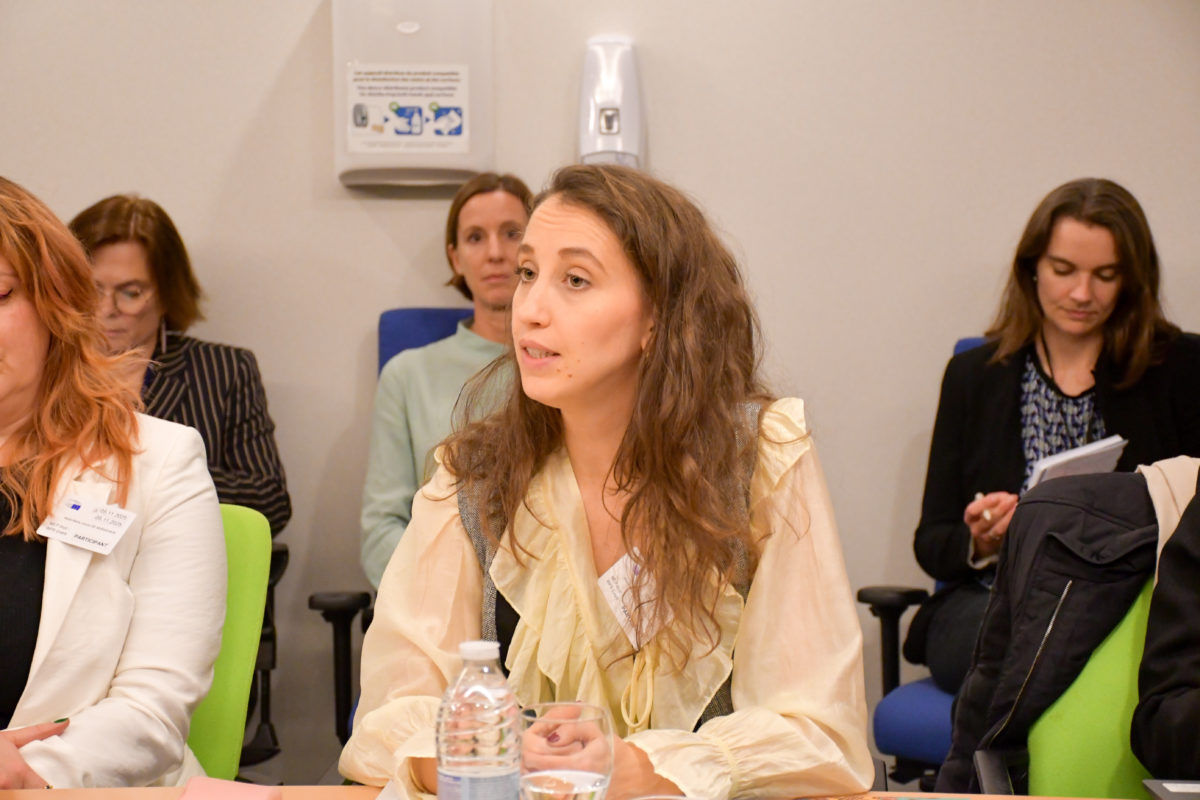
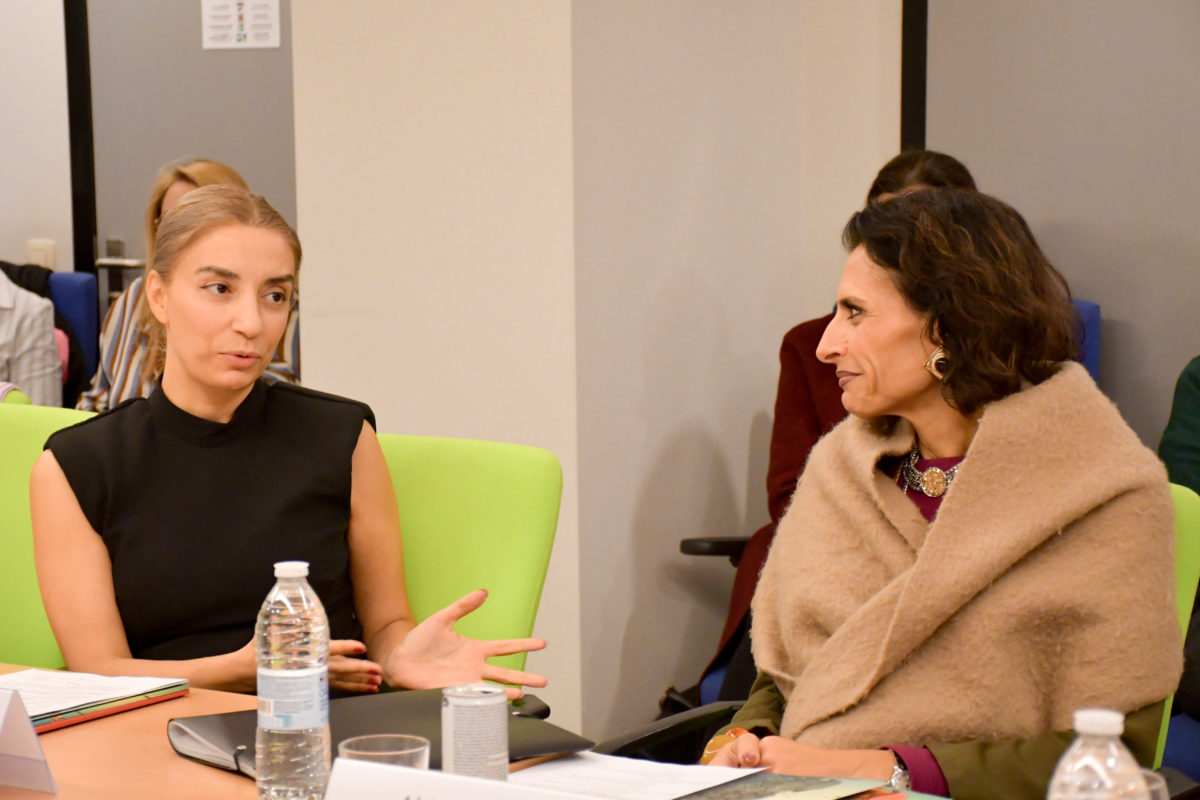
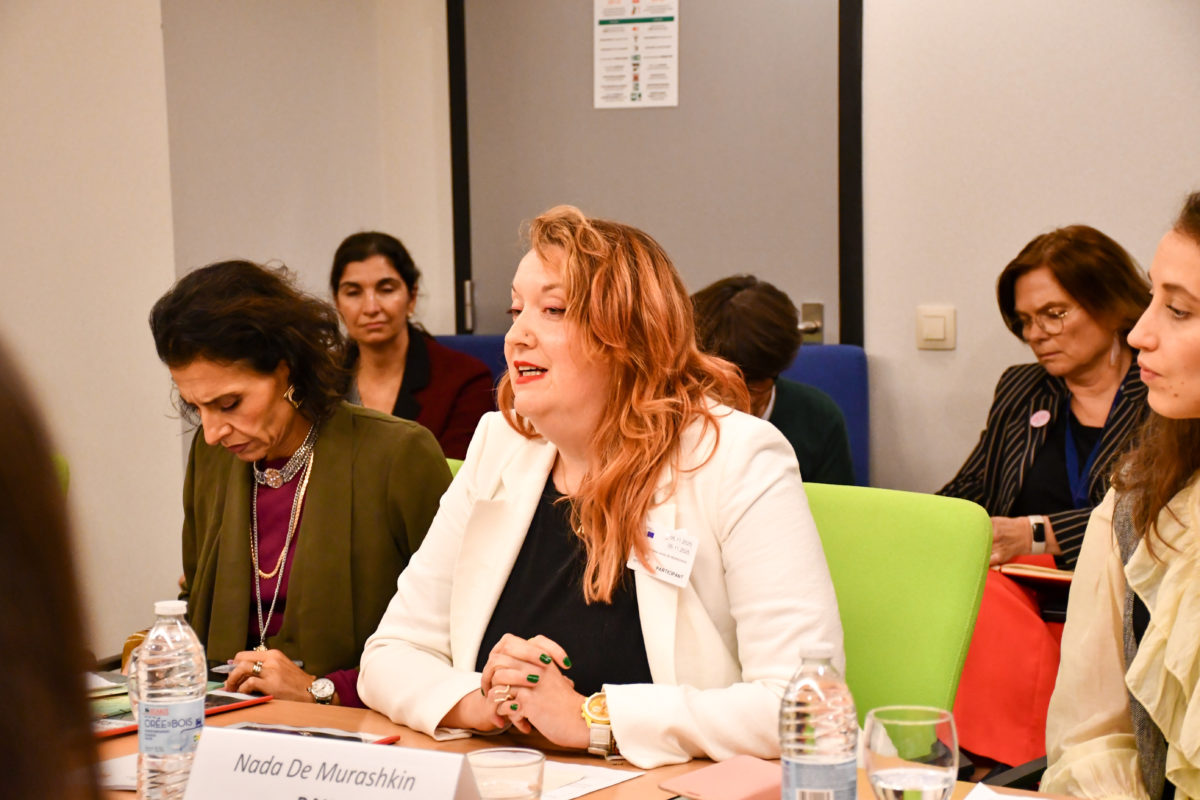
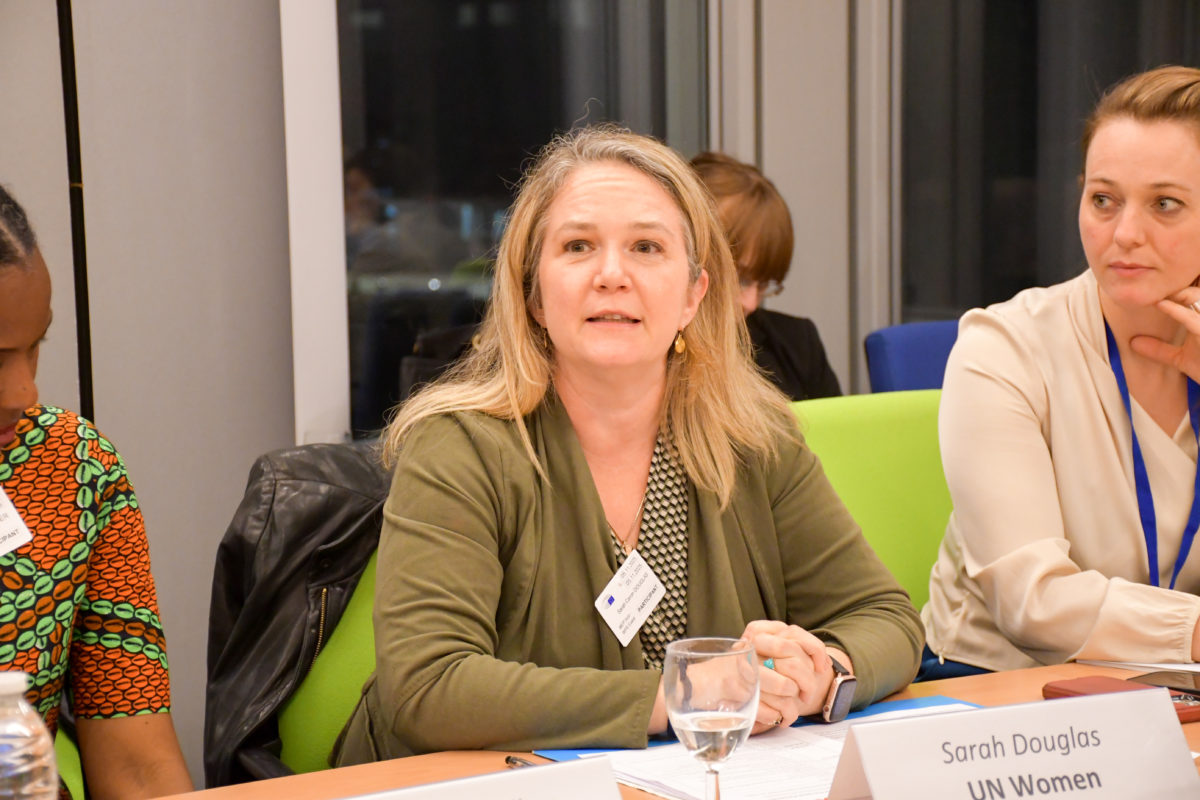
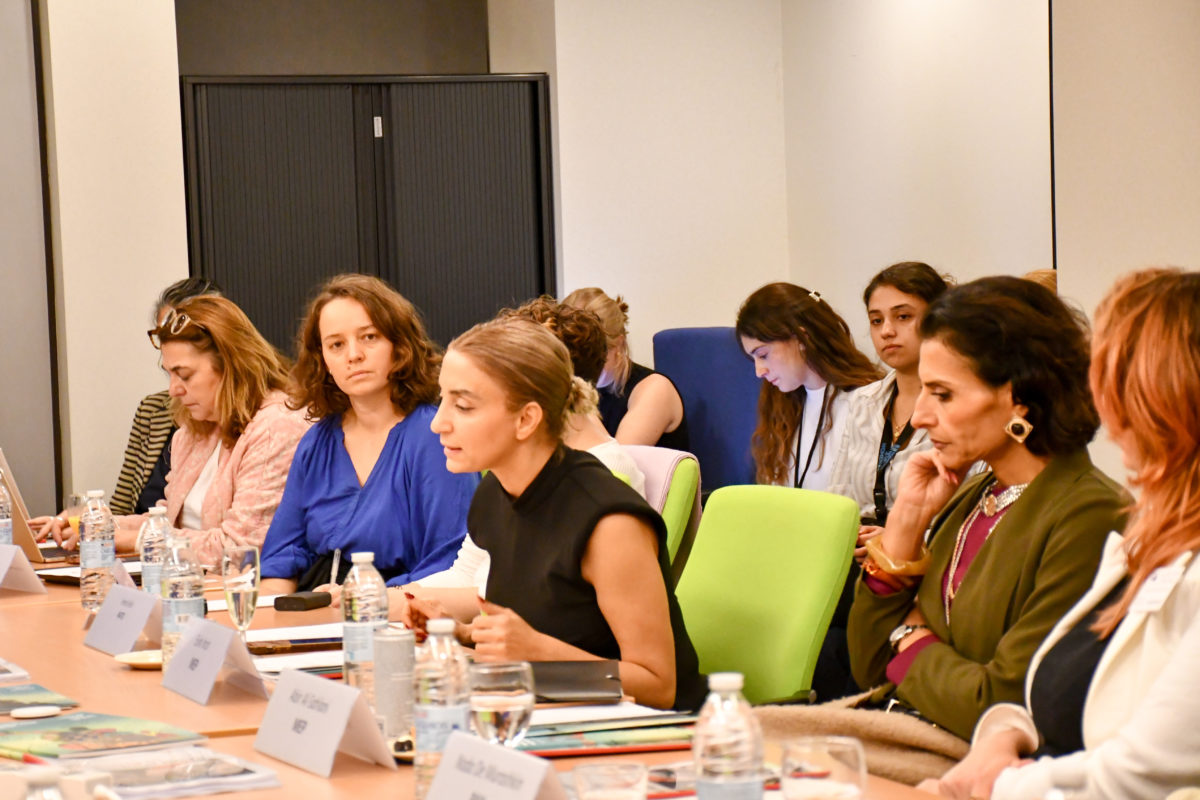
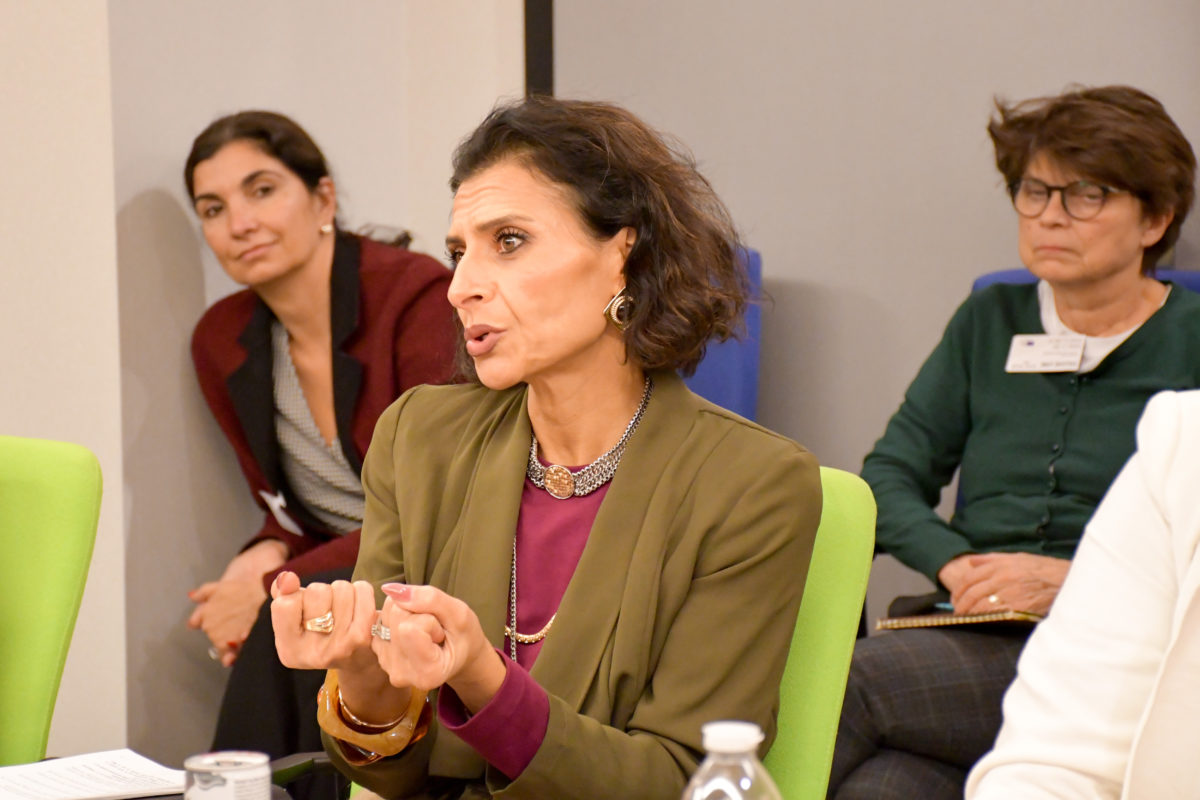
Evin Incir MEP warned of a growing backlash against the WPS agenda within the EU, stressing that meaningful progress requires cross-party cooperation and partnerships between institutions and civil society. She pointed to crises in Ukraine, Palestine, Sudan, and Syria, and reminded participants that violence against women persists both in conflict and in peace.
Abir Al-Sahlani MEP reflected on the changing nature of conflict, now more complex and societal, and cautioned that international law is being challenged as never before. She noted that many principles once taken for granted are now questioned, risking the erosion of commitments to gender equality and peace.
Marit Maij MEP added that women are not only victims of war, but also key to building peace: the face of conflict is often on women, but so is the face of the solution.
Sarah Douglas (Deputy Chief of Peace and Security at UN Women) described alarming trends: the proportion of women living in conflict zones has quadrupled, and conflict-related sexual violence has increased by 85%. At the same time, funding for women’s organisations has declined.
Miriam Reifferscheidt (Gender and Peacemaking Programme Manager at the European Institute of Peace) highlighted that defence spending is surging while resources for women and peace initiatives are shrinking. Donors often provide only short-term, activity-based projects, leaving women’s organisations weak and dependent.
Nada Murashkin (Policy Advisor Gender, Peace and Security at PAX) asked participants to think carefully about “whose peace” is being pursued, stressing that without accountability there is no real peace. WPS is a call to action, and policymakers are urged to translate commitments into concrete, justice-orientated measures.
Voices from the Ground
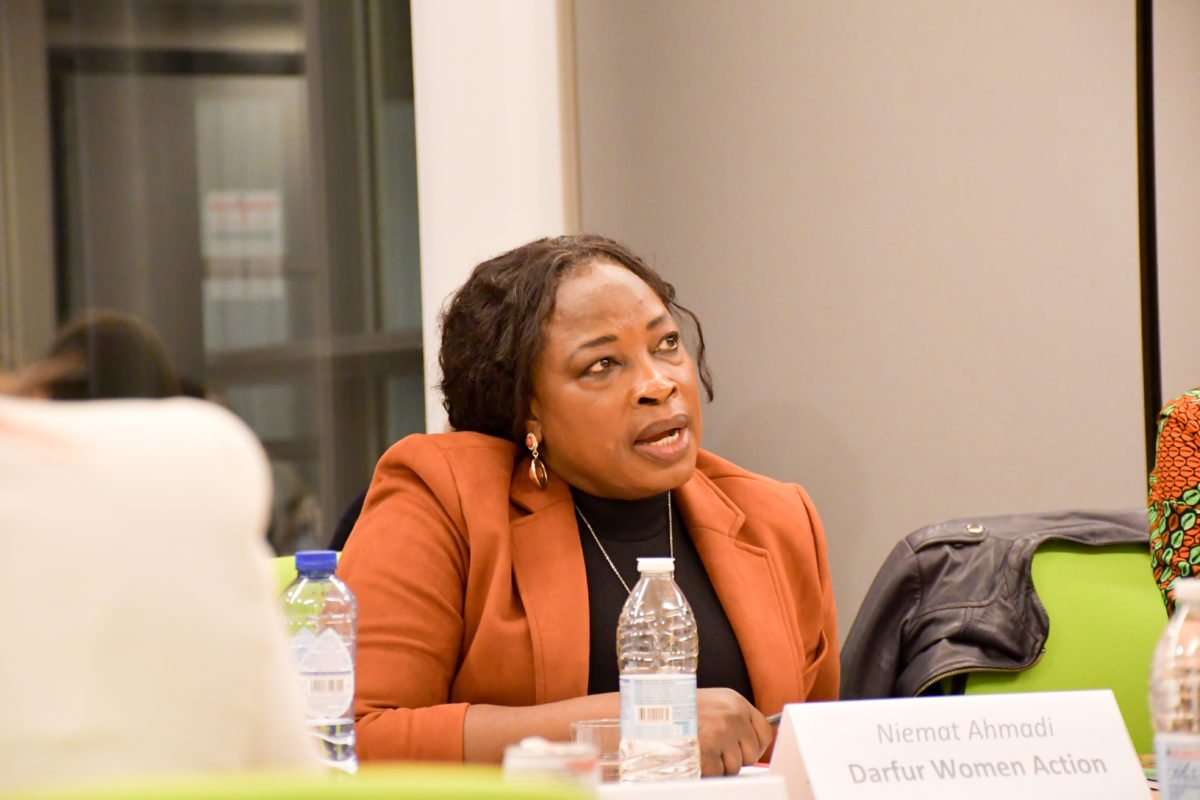
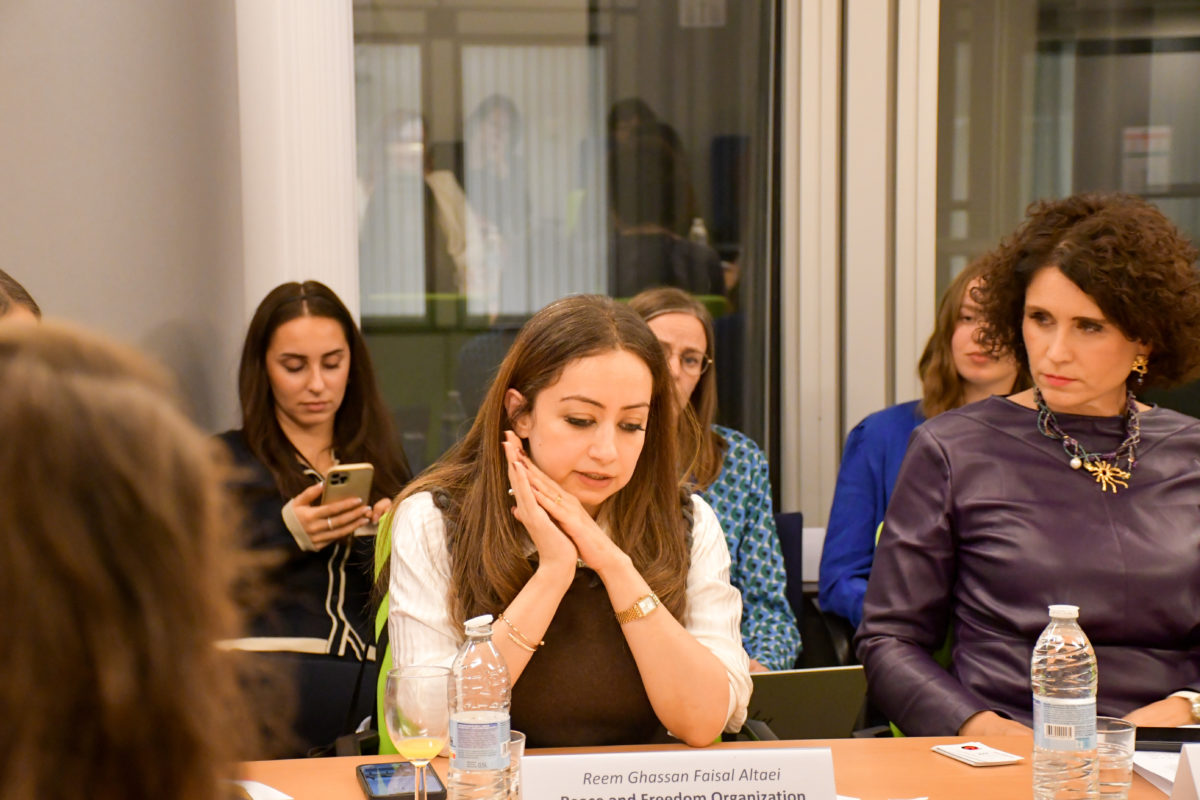
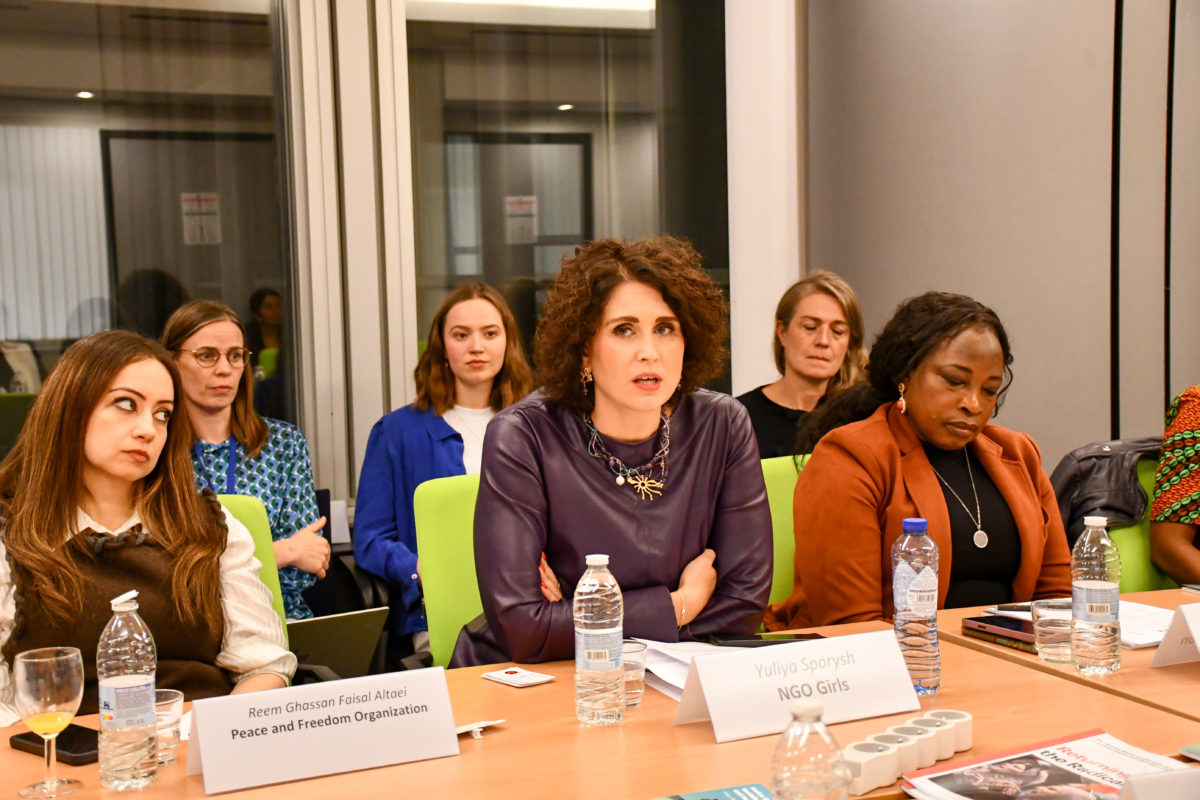
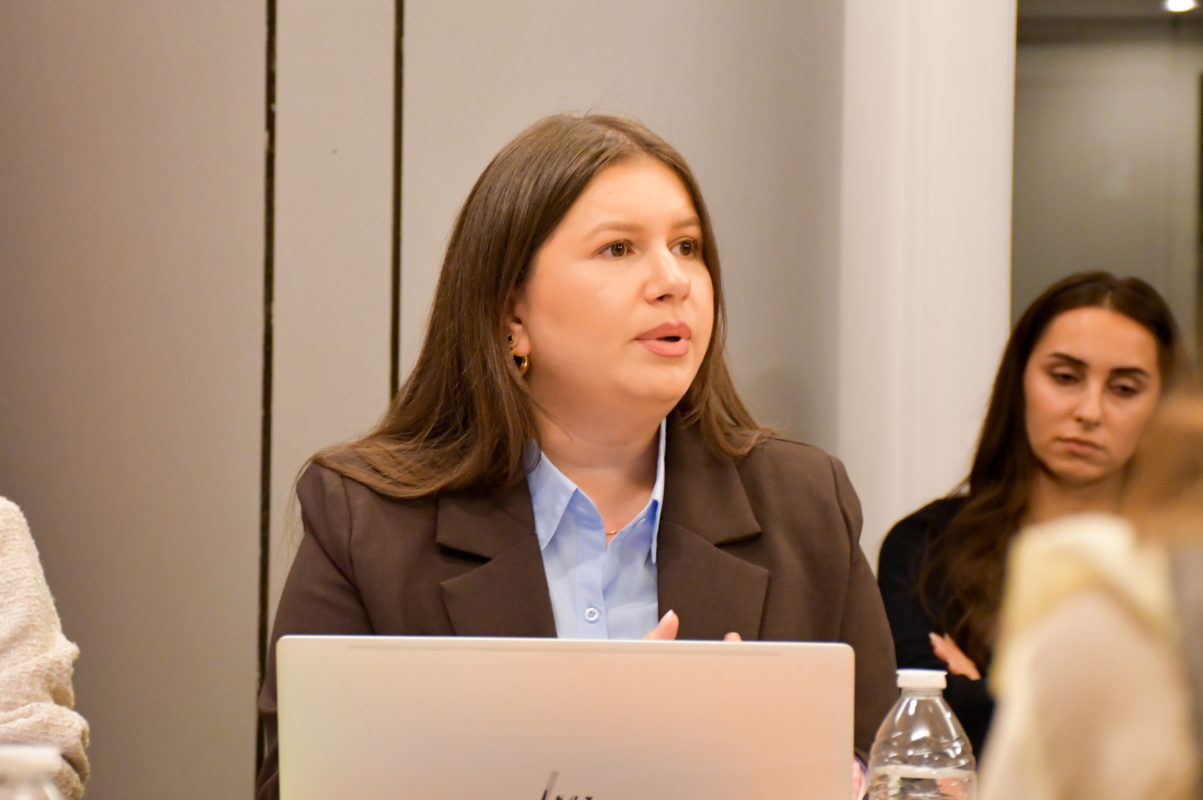
Reem Ghassan (Women Programme Manager at Peace and Freedom Organization (PFO), a human rights defender based in Erbil, Iraq, explained that the WPS agenda is often dismissed by political leaders, while armed groups and militias divert funding away from civil society. Cutting support, she warned, strengthens extremist mindsets and undermines stability.
Sudanese activist Niemat Ahmadi (President, Darfur Women Action Group, CEO and Founder, Unique22 Strategies) gave a powerful testimony of women facing starvation, slaughter, and violence, yet continuing to care for others and lead ceasefire efforts. She insisted that women earned their place and deserve to be at the negotiation table.
Ukrainian Expert in Gender Equality, Governance, and GBV, Yuliya Sporysh (PhD, Founder and Director, NGO GIRLS / ГО “Дівчата”) described the daily reality of war, where she checks in with her team each day to confirm they are alive. More than 75,000 women serve in the armed forces, yet 95 safe spaces for women have closed due to lack of funding. Gender-based violence has risen by 25% annually, while women-led organisations have almost no funding despite being on the frontlines.
Tonni Ann Brodber (Head of Secretariat, UN Women’s Peace and Humanitarian Fund) emphasized that their nine-year-old mechanism is the only UN mechanism that directly reaches civil society quickly and effectively. She cautioned that “one hand cannot clap,” stressing the need for collaboration and direct support for activists.
Armenian activist, Knarik Mkrtchyan warned against supporting women only in reactive positions, urging investment in prevention, early warning systems, and intersectional approaches to resilience.
Reclaiming the WPS Agenda: the Way Forward
1. Representation and Participation
- Guarantee women’s direct participation in peace processes and recognise women as key actors of peacebuilding not only victims.
- Apply gender quotas at all levels of peace processes and insist on a minimum 30 percent women representation to ensure a critical mass for real influence
- Uphold commitments to feminist agendas.
- Ensure reconstruction projects include women at the table (in bigger projects as well – not just in micro-initiatives such as bee-keeping and hairdressing).
- Move WPS policies beyond treating protection and participation as separate pillars by transforming the systems that make women’s participation dangerous.
2. Funding and Resources
- Provide long-term, flexible, equitable core funding to feminist organisations and movements.
- Move away from short-term, activity-based projects that keep organisations weak and dependent.
- Budget for physical, digital, and psychosocial security as a participation right; funding evacuation routes, digital encryption, mental health and trauma care, and legal defense for women leaders.
- Sustain funding and political backing for grassroots WPS actors to prevent the expansion of armed groups.
- Guarantee funding for survivors of sexual violence.
- Invest in existing civil society-led, feminist and rapid funding mechanisms and remove the risk-management away from grassroots organisations and individuals.
- Cover essential operational needs like office space and equipment.
3. Protection and Safety
- Adopt zero-tolerance policies against harassment and violence, online and offline.
- Provide self-care funds for staff working in high-stress environments
- Support frontline activists with rapid, accessible funds and protection windows.
- Recognize safety as the enabling condition of participation, not a reason for exclusion.
- Apply a focus of human security at all levels of financing including defence spending.
4. Accountability and Justice
- Adopt accountability as a fifth pillar of the WPS agenda, incorporating it into the EU-WPS action plan and into the CLIPS (Country Level Implementation Plans).
- Build accountability processes on inclusive consultations, systematic monitoring, independent audits, and enforcement of sanctions.
- Apply feminist analysis to financial shifts and set targets to redirect defence spending toward human security.
- Prioritize ceasefires and justice as critical, especially for relief and recovery.
5. Intersectionality, Masculinities, and Prevention
- Integrate a masculinities lens into foreign policy to counter militarized masculinities and engage men and boys as allies.
- Explore intersectional and decolonial approaches, creating safe and brave spaces for civil society partners.
- Mainstream human security, inclusivity, and intersectionality to ensure resilience during peacetime.
- Reinforce the preventive dimension of WPS, investing in women’s grassroots organisations and early warning systems and reporting mechanisms.
6. Bridging Global and Local Efforts
- Create bridges between actors to complement each other’s roles (including between UN and CSOs).
- Recognize WPS investment as prevention and a strategy for peace, not a strategy to react and respond to conflict.
- Focus donor support on independent civil society actors who share the vision of peacebuilding, rather than government-endorsed organisations.
- Ensure grassroots partnerships deliver the biggest and most sustainable impact.
Closing the event, moderator Sandra Melone (Chairwoman, Search for Common Ground Europe and Co-President, Elles du Sahel) captured the spirit of the discussion: despite the challenges, there remains hope and possibility galore. For the Europe that we want, the WPS agenda we want, progress must be accelerated, alliances built, and conversations made increasingly specific—including with unlikely partners.


