
The Institute at the Stockholm Forum on Peace and Development
17/11/2026
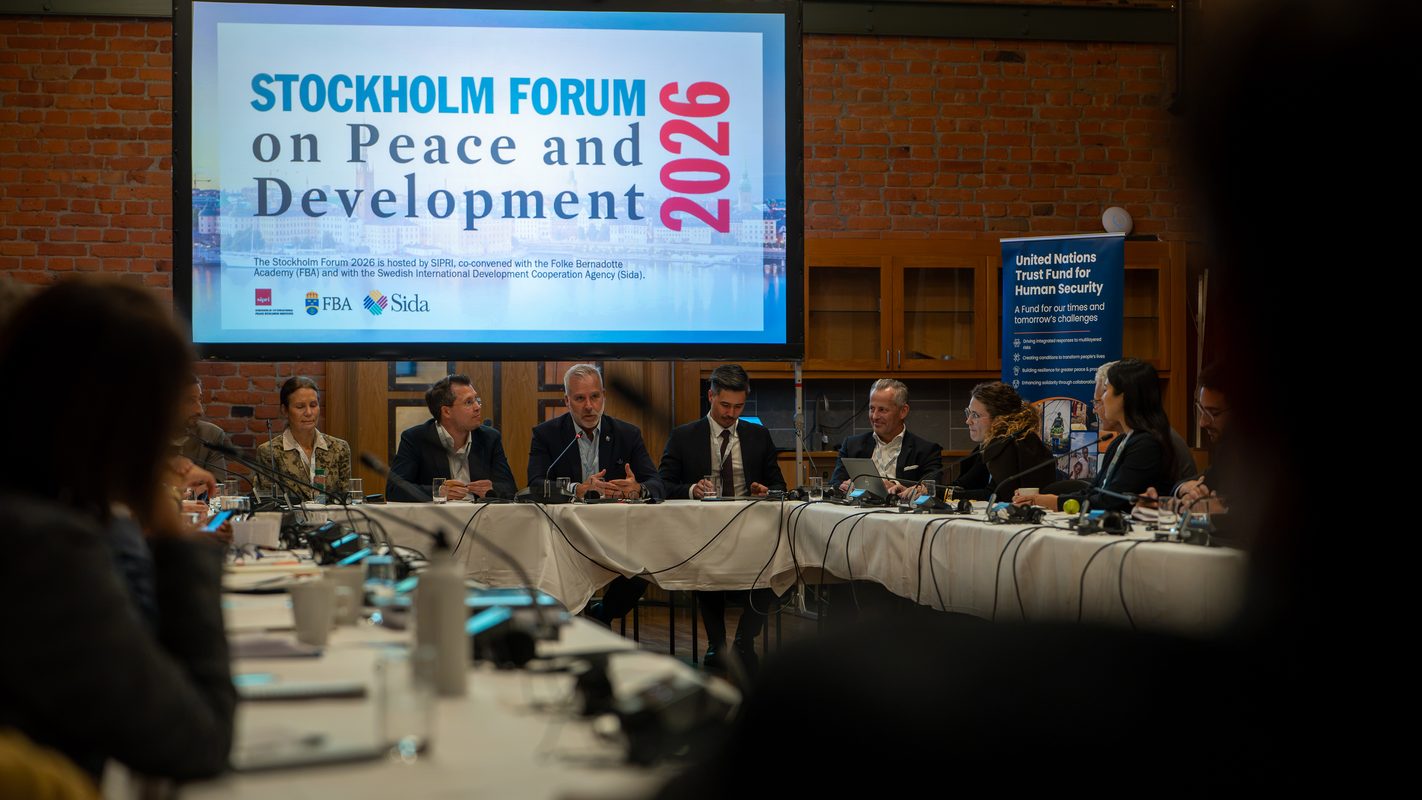
At this year’s Stockholm Forum on Peace and Development, hosted by SIPRI, and co-convened with the Folke Bernadotte Academy (FBA) and the Swedish International Development Cooperation Agency (Sida), the European Institute of Peace brought two questions to the table; how can women be meaningfully included in peace processes, and how can private investment contribute to lasting peace?
These two questions were explored in two separate sessions: a gender-sensitive conflict negotiation simulation, and a roundtable on the role of the private sector in peacemaking. Drawing upon EIP’s experiences in Syria, Yemen, Venezuela and Mozambique, the two sessions highlighted the importance of locally rooted solutions.
Who Decides Peace? A Live Power Shift Simulation to Reclaim the Women, Peace and Security Agenda
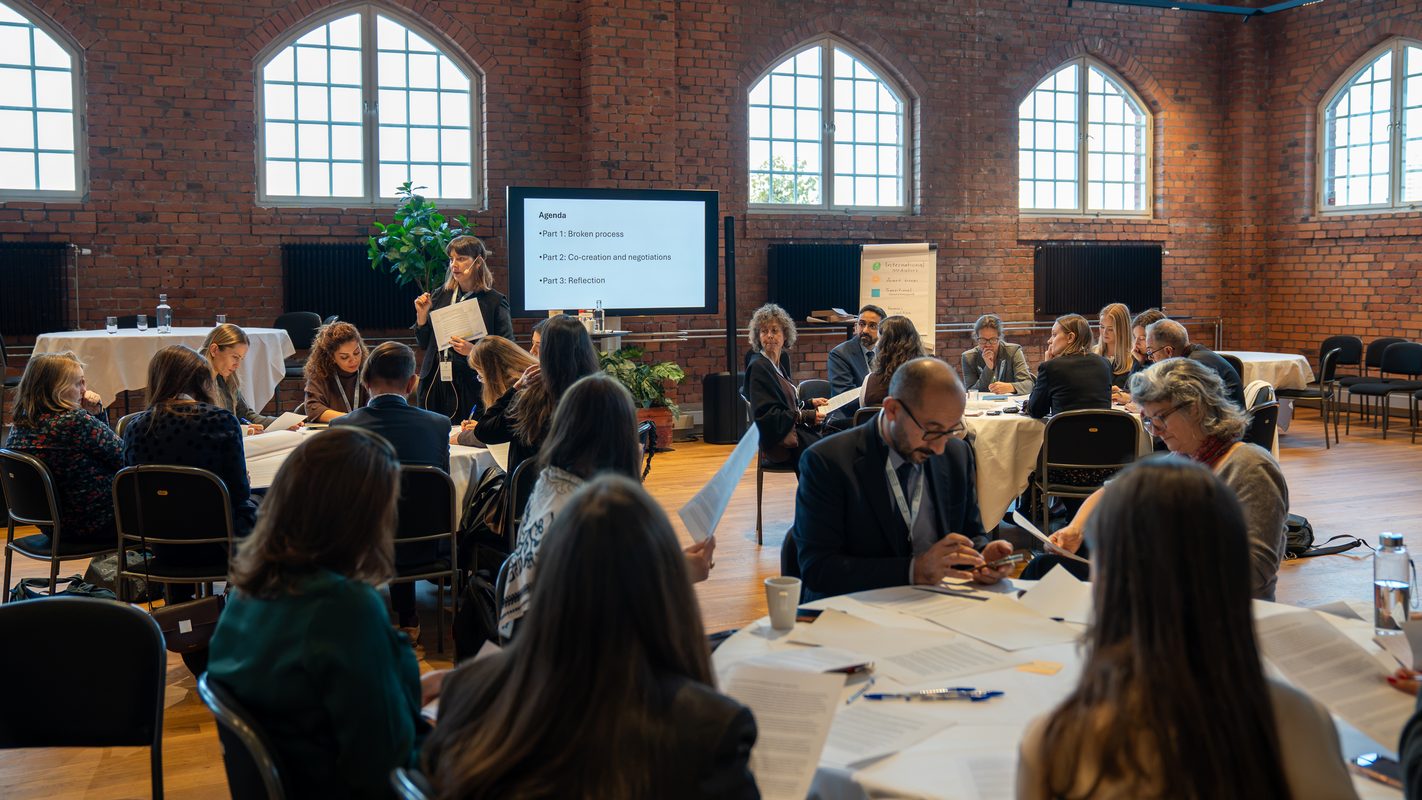
Our session on Women, Peace and Security invited participants to experience first-hand how structural power imbalances can block women’s participation – even when inclusion is endorsed on paper- through a simulated peace negotiation.
Opened by Deputy Executive Director Stine Lehmann-Larsen and led by our Programme Manager Miriam Østergaard Reifferscheidt and Senior Advisors Sophia Close, Hisham Al-Omeisy, and Farah Hwijeh, participants role-played a fictional scenario designed on the basis of real-context dynamics drawing on experiences from Yemen and Syria. They were divided into four groups: mediators, political elites, armed groups and women leaders, each representing different and often competing interests and agendas. The challenge was to identify opportunities to shift unequal power dynamics while developing context-sensitive strategies to integrate a gender perspective into peace processes.
The simulation built upon findings from our project Breaking Barriers, Making Peace, which explored multiple contexts and tested the findings in practice and identified promising practices to help policymakers and practitioners to address barriers to women’s meaningful participation in peace processes.
The goal was to highlight how structural power dynamics block women from negotiations, and to develop concrete tools to overcome the systemic barriers holding them back. To achieve lasting peace, we must apply a gender lens across all peace processes.
Our simulation tackled this exact challenge. In addition to exposing systemic barriers, we developed actionable tools and strategies to break through them, ensuring women have the access, presence, and influence they deserve at the negotiating table.
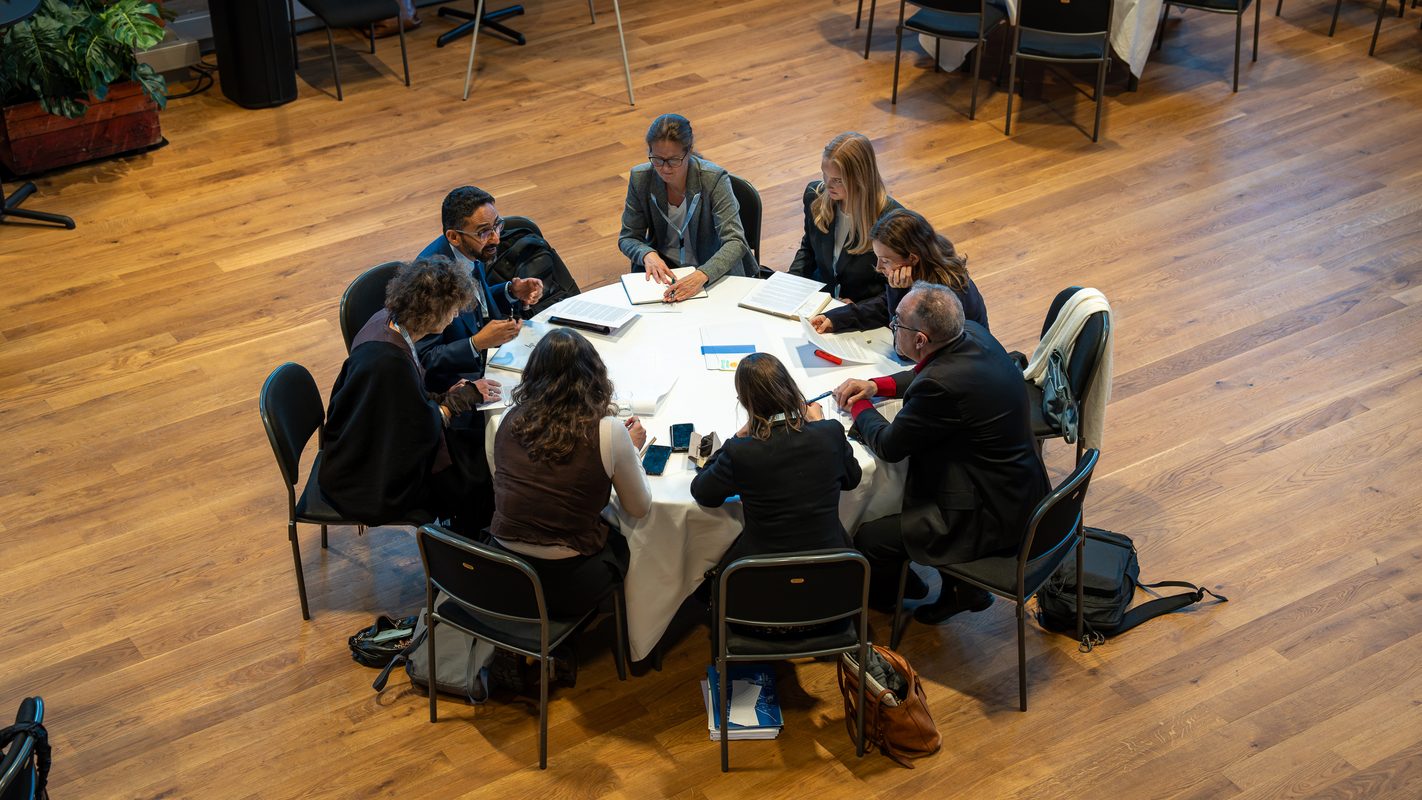
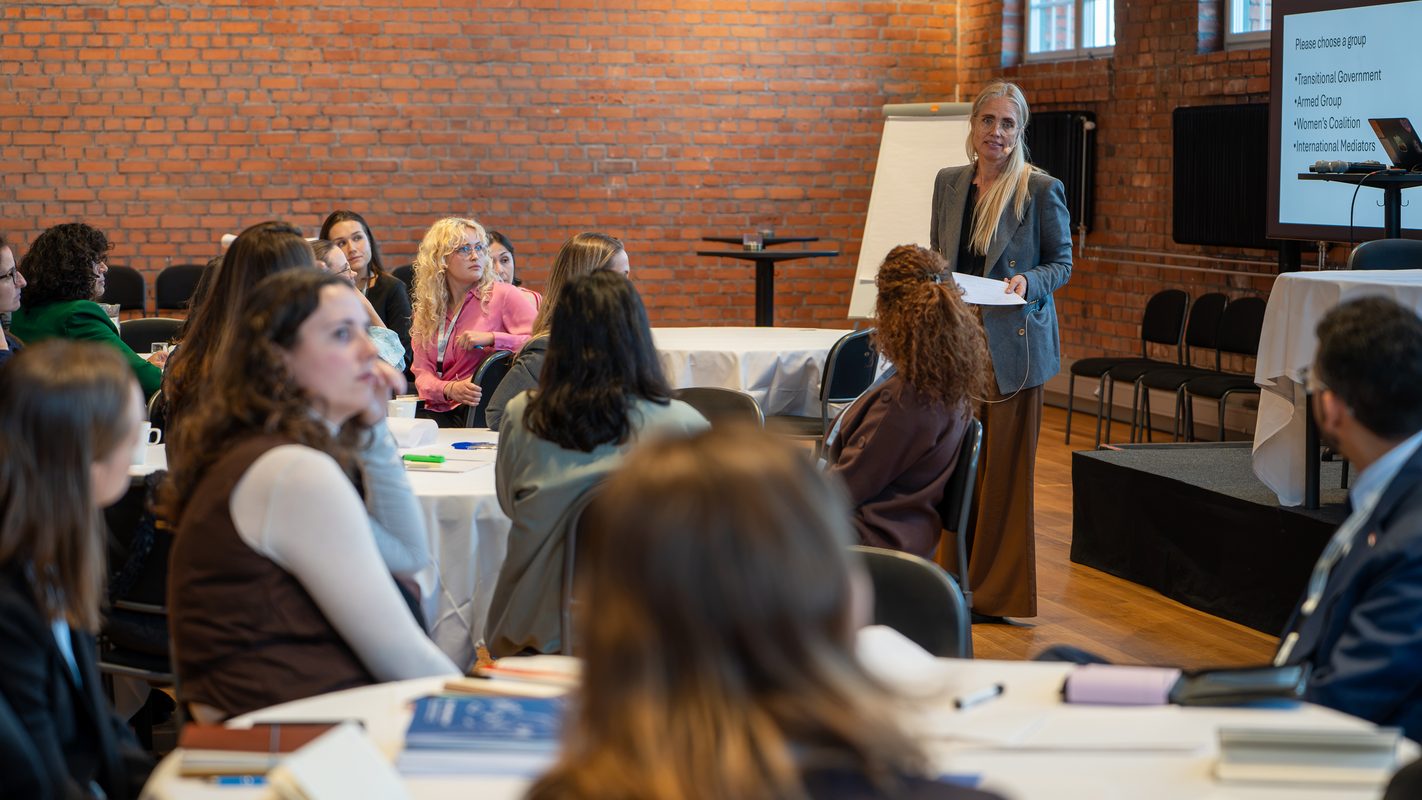
The true success of the simulation lies in the energy and creativity of its participants. Stepping fully into their assigned roles, attendees didn’t just test a scenario – they brought it to life. This active engagement transformed the session from a practical exercise into a powerful, dynamic laboratory for testing new process designs and modalities.
By actively identifying with their roles, participants felt firsthand how structural power dynamics function in real time. This immersive perspective allowed them to think outside the traditional boxes of international diplomacy. They broke through institutional silos, dared to challenge the limiting structures of standard negotiations, and got creative with new ways to address and systematically dismantle the barriers that block women from exercising real power and influence.
Ultimately, the simulation proved to be both highly engaging and practical. It provided the participants with a concrete space to explore innovative approaches, leaving them with actionable insights on how to rewrite the rules of peace processes to ensure meaningful, systemic inclusion of women.
Investing in Peace: How can the private sector be a genuine partner for peace?
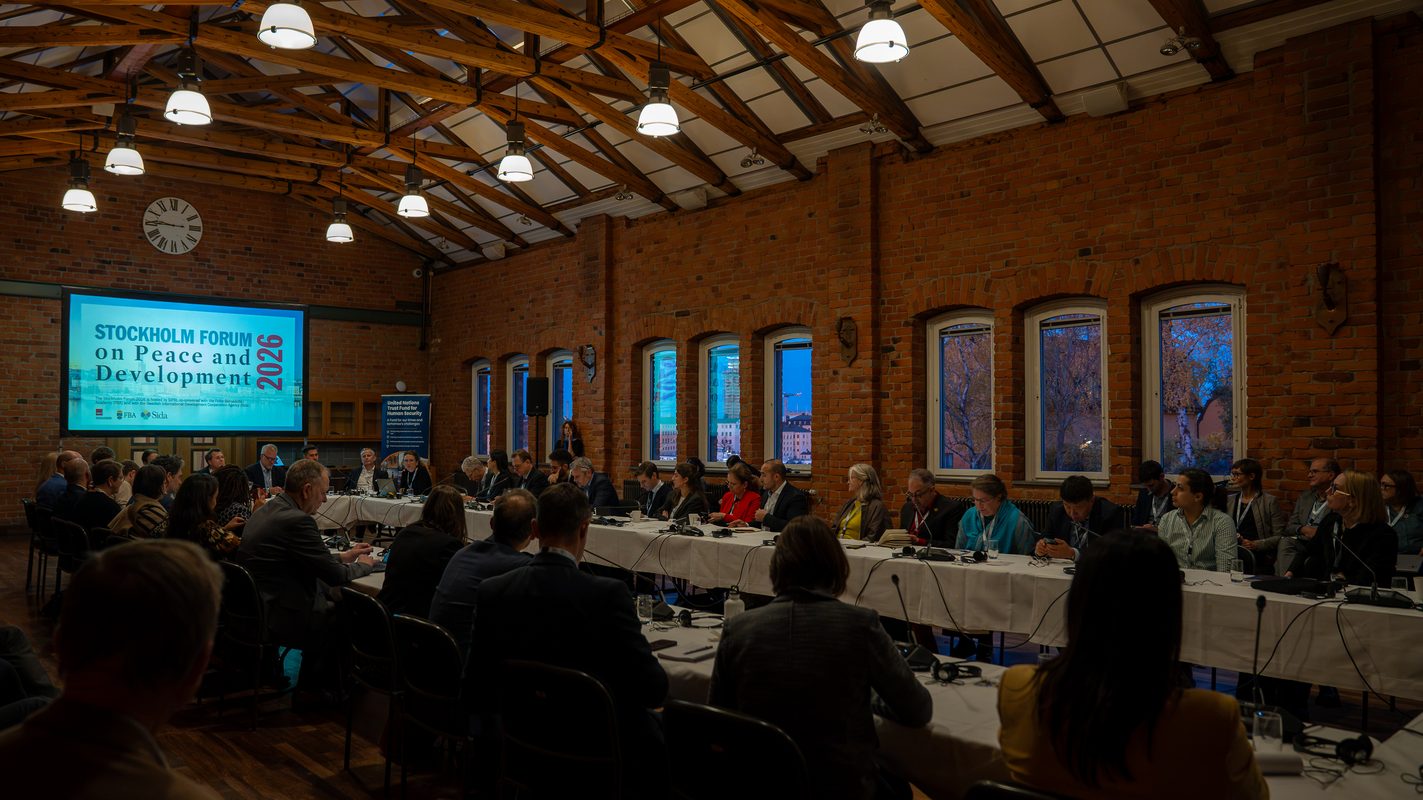
Our second session, co-organised with Sida, the African Development Bank Group and Finance for Peace, explored how the private sector can both genuinely contribute to and benefit from building peace. It was moderated by Harry Verhoeven (EIP), with contributions from Daniel Hyslop (Finance for Peace), Alberto Vollmer (Ron Santa Teresa), Marcus Svedberg (Folksam), Frederik Teufel (African Development Bank’s Transition States Coordination Office) and Annika Blakstad Otterstedt (Sida). The panel’s main strength was its diversity: a peace-finance initiative, a business leader with deep experience on the ground, a Swedish investor, a multilateral development bank and a bilateral donor brought together perspectives rarely heard in the same conversation.
Peace is financially material: it affects risk, returns and access to markets. Yet the private sector has largely remained on the margins of peacebuilding. Drawing on the cases of Venezuela and Mozambique, the panel looked at two complementary ways it can contribute.
First, businesses can play a direct role in peacebuilding. Small and medium-sized enterprises strengthen livelihoods and expand economic opportunity, while larger investments can give key actors a stake in the success of broader peace processes. Drawing on the case of Venezuela, Vollmer described how the domestic private sector can act as a frontline stabiliser in high-conflict environments, citing Ron Santa Teresa’s efforts to reintegrate young people at risk of violence through employment and community programmes. These efforts show how local businesses can help rebuild the social fabric in deeply polarised societies. Beyond the grassroots level, lasting stability in Venezuela will also depend on political compromise, a balance of power between institutions and a credible path to legitimate elections, efforts that the private sector is supporting as a trusted third party.
Second, financial instruments can be designed to channel capital towards peace. The panel reviewed emerging tools such as peace bonds and peace-positive investment approaches that target peace outcomes alongside financial returns. In Mozambique, the African Development Bank is piloting its peace-positive investment approach in conflict-affected Cabo Delgado. There, a new Peace and Security Investment Hub coordinates public and private investment with local communities to rebuild livelihoods and trust, just as large-scale private capital returns to the province. However, investors will only commit in the long term where there are clear, enforceable rules and functioning institutions. Mechanisms such as sovereign wealth funds can help ensure that growth contributes directly to stability.
The discussion highlighted three key recommendations. First, peace makes good business sense: stable, inclusive societies mean lower risk, new markets and stronger returns. Second, the barriers that keep capital away (risk perception, regulatory uncertainty and political economy) must be addressed jointly by investors, donors and governments. Third, local knowledge is essential. Domestic businesses understand the context, actors and risks in ways outsiders cannot; engaging them early as genuine partners helps ensure investment supports peace rather than undermines it.


