

The missing piece in conflict resolution
21/05/2026
Peace talks often focus on power and borders, but Yemen shows how environmental pressures can both fuel conflict and help build peace, argues Michael Keating
Conflict resolution is about much more than short-term agreements and transactional deals among powerful actors. Ceasefires can reduce suffering and create space for dialogue. But successful conflict resolution is about creating enduring conditions for peace. This means addressing the underlying grievances and invigorating non-violent ways to resolve them.
Typically, mediators focus on a cluster of issues relating to the exercise of power: territorial control, revised constitutional arrangements, revenue-sharing, disarmament, and security guarantees. Rarely do they prioritise more basic issues – such as the availability, use and management of natural resources such as water, soil, forests and access to energy, or the debilitating effects of climate change on living conditions and livelihoods.
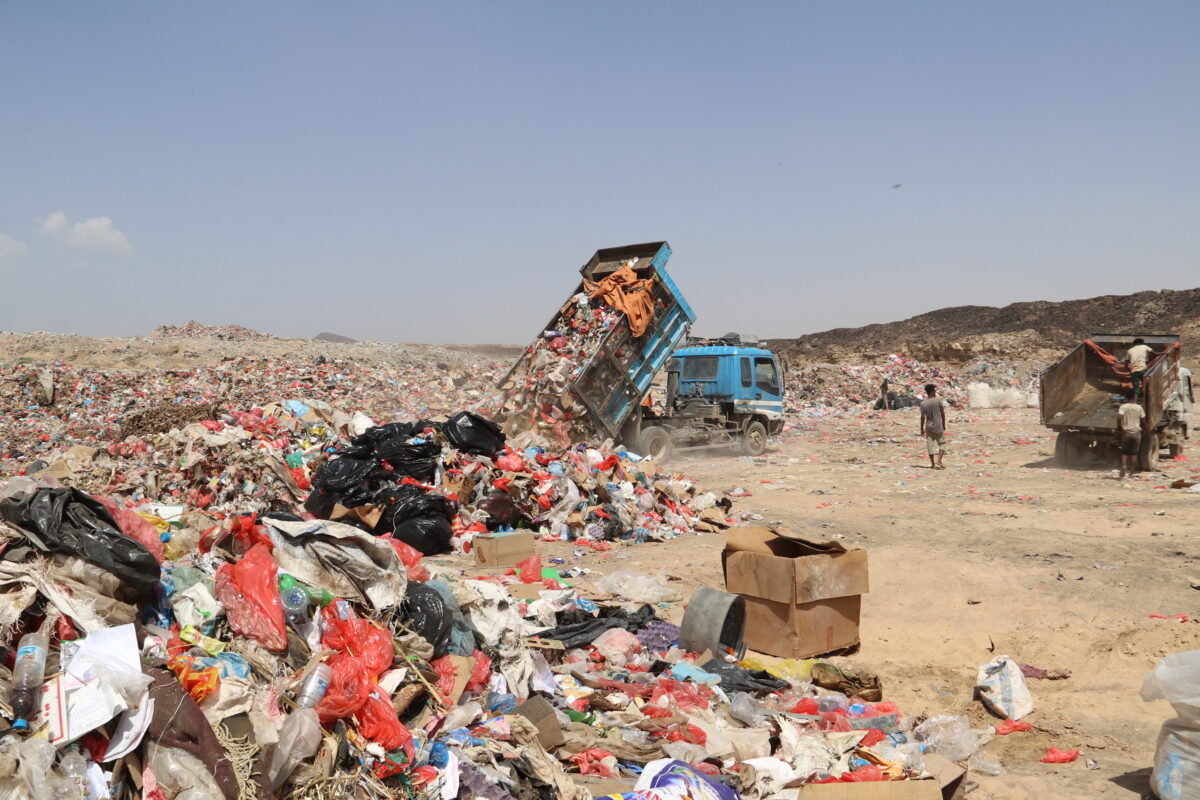
This is a deficit. The damage and insecurity associated with more extreme weather and accelerating environmental degradation are ever more evident. They are threat multipliers, and in some places, they are direct causes of conflict. Water shortages in the Middle East, the Horn of Africa and the Sahel, insufficient progress in climate-proofing food security, along with limited and very unequal access to energy, are all adding fuel to the fire.
It is also a missed opportunity. There is scope and need to explore whether and how these challenges can be converted into opportunities for dialogue, to build trust as well as be a practical contribution to peace. Yemen offers proof of concept, as a new report by the European Institute of Peace highlights.
Yemen gets most attention for being in the grip of an intractable civil war with Houthis in control of much of the country’s populated territory, threatening shipping in the Red Sea. It has preoccupied Western counter-terror specialists for many years, given its use as a base for Al Qaeda in the Arab peninsula.
Less attention is given to the connections and feedback loops between instability, violence, and environmental issues. But they are obvious to the country’s citizens.
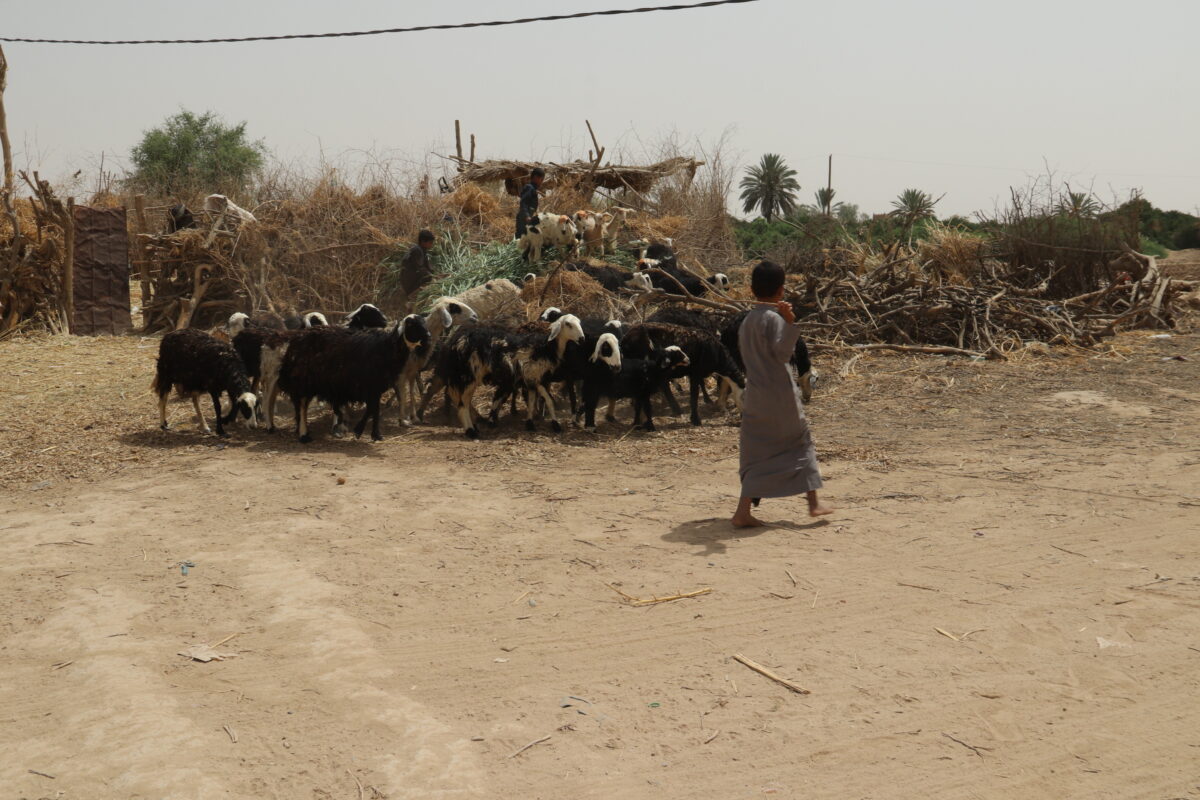
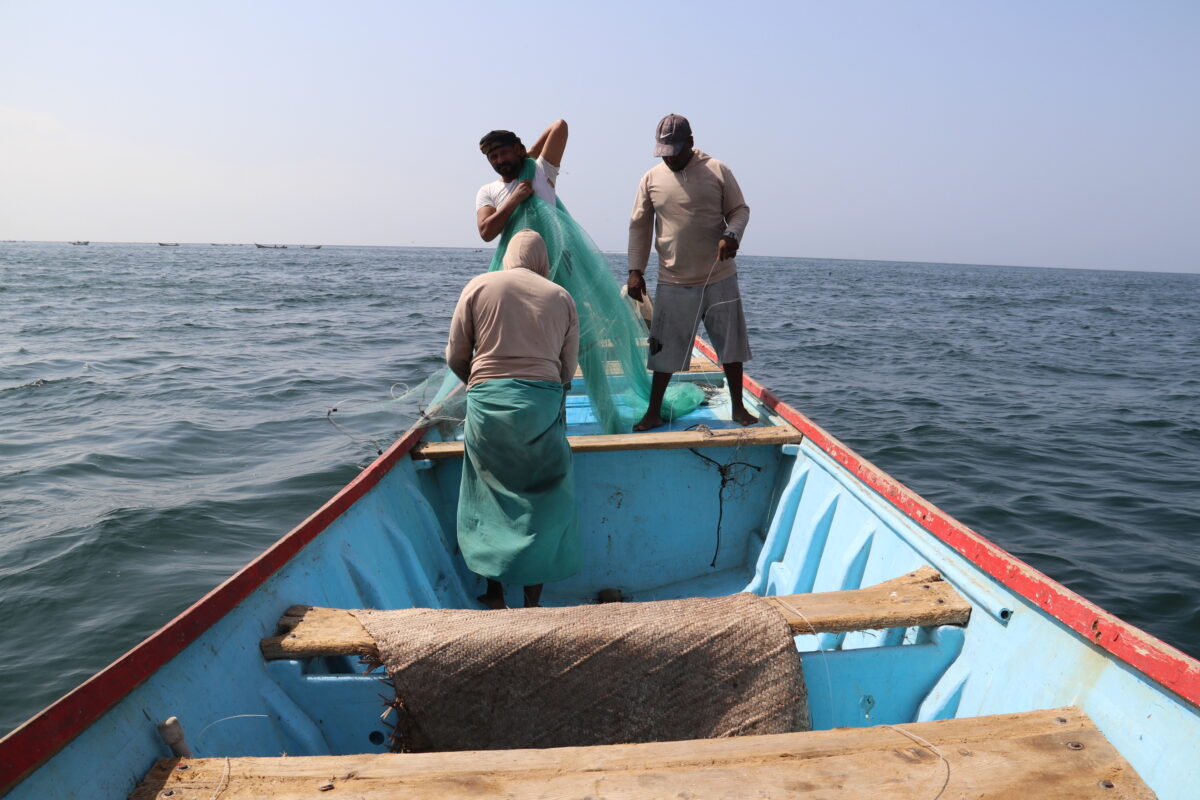
Instability retards local efforts to address climate impacts and environmental degradation – and create jobs in the process. Poverty and a deteriorating environment in turn create a sense of hopelessness, especially among young people, provoking social alienation, widespread displacement, and migratory flows. The country’s population is projected to increase by 50 per cent to 60 million in less than fifteen years, putting further pressure on resources and infrastructure.
These insights are rarely underpinned by rigorous, locally grounded data, particularly in contexts where research is difficult or dangerous to conduct. The new report is based on the largest consultation conducted to date with Yemenis across 13 different governorates, controlled either by the internationally recognized government of Yemen or by the Houthis (Ansar Allah).
The message that emerges is clear. To Yemenis, the link between environmental pressures and conflict is in plain sight, with over half reporting tensions or disputes over water, land, pollution, or energy. They view environmental issues not as peripheral but as central to sustainable peace. Over 80 per cent consider it essential to address them for their livelihoods and security, and the majority (57 per cent) believe that environmental challenges should be integrated into local and national peace negotiations.
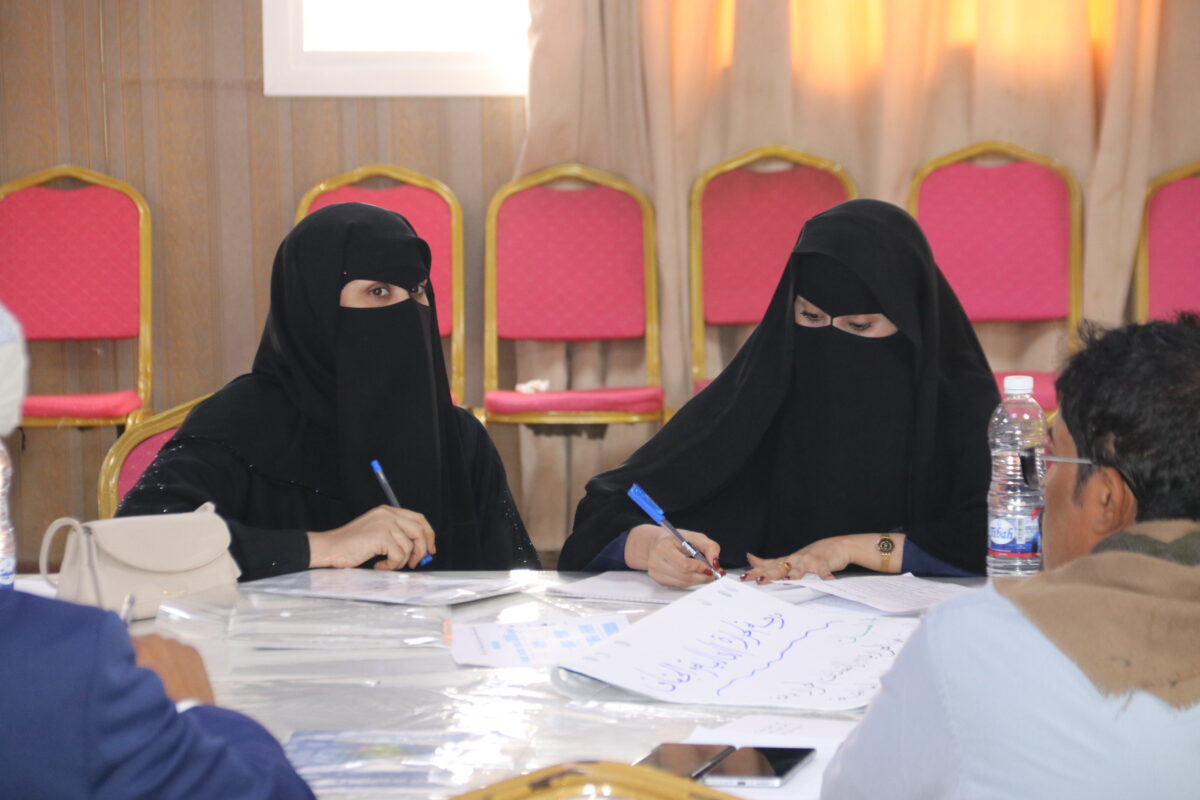
The findings have also surfaced opportunities and pathways for cooperation on environmental issues, including across conflict lines. Community mediators, traditional leaders and local women and youth-led initiatives already play a pivotal role in resolving water and land disputes. In several governorates, environmental collaboration has become a basis for confidence-building measures between conflict parties.
This success at the local and governorate level begs the question as to why international and regional-led peacemaking efforts do not focus on environmental peacemaking opportunities. Internationally sponsored peace talks understandably centre on political and security arrangements, but they often do not adequately consider the conditions that enable communities to rebuild trust, restore livelihoods, and reduce future conflict risks.
Among the reasons are the prioritisation by international mediators of hard and usually short-term security issues, their limited environmental literacy, and the weak agency of affected populations to shape the agenda of peace talks. Reprioritised and reduced budgets in donor countries are limiting the scope for initiatives that can build confidence and deliver peace dividends – for example, by improving access to water, investing in renewable energy, restoring land and strengthening governance around resource use.
At a time of growing threats to peace and security and widening conflict, it seems foolhardy to hope that environmental degradation and climate adaptation can be a basis for dialogue and conflict resolution. But the Yemenis think it can. And so should we.
All pictures by Nazeh Mohammed for EIP.


