
Why Nariño – and Colombia – matter for Europe
24/07/2025
This article is also available in Spanish/Este artículo también está disponible en español.
For decades, Nariño has been one of Colombia’s most violent and unstable territories. Its geostrategic position, bordering Ecuador and with direct access to the Pacific, has made it a key corridor for drug trafficking, illegal mining and other illicit economies. The department currently accounts for approximately 65,000 hectares of coca, which is about 26% of the country’s total crops.
However, since 2024, Nariño has become one of the few places where Colombia’s ‘Total Peace’ policy is producing concrete results. Two armed groups, Comuneros del Sur (formerly ELN) and the Coordinadora Nacional Ejército Bolivariano (formerly FARC), have entered negotiations with the Colombian Government, begun handing over weapons, established temporary encampment zones, and signed humanitarian agreements covering issues such as coca crop substitution, child recruitment and demining. As a result, according to data from the Governorate of Nariño, homicides decreased by 84% between 2023 and 2024, child recruitment cases dropped by 65%, and landmine incidents declined by 99%.
These breakthroughs are the result of taking the engagement and negotiation processes to the territorial level, allowing for a more nuanced and context-specific approach, combined with the development of a peace dividends strategy by the Governorate of Nariño. This strategy, centred on socioeconomic and environmental initiatives, is supported by the European Institute of Peace and enables both those directly involved in the process and the broader population to experience the tangible benefits of peace. Nariño’s progress has the potential to reshape conflict dynamics within Colombia, particularly in neighbouring departments like Cauca, and across Latin America through its connections with Ecuador and the Pacific, by disrupting the illicit economies and criminal networks that operate far beyond administrative and state boundaries.
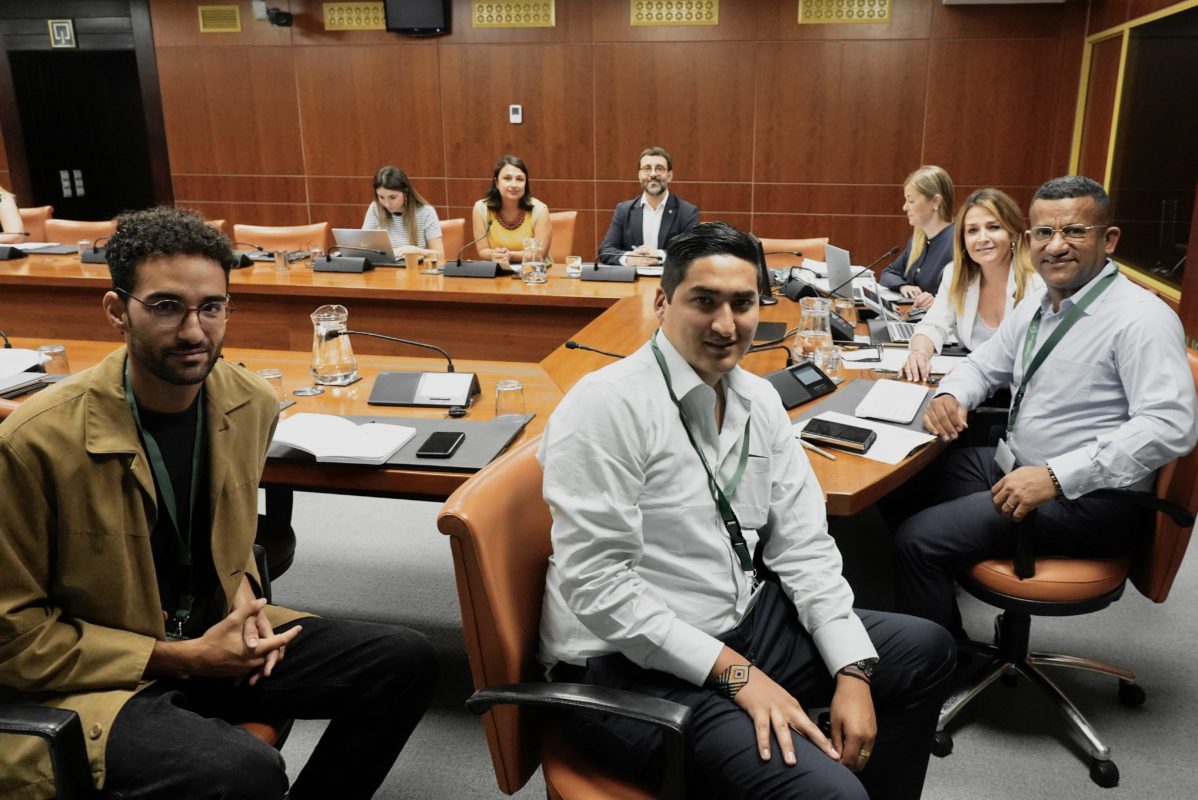
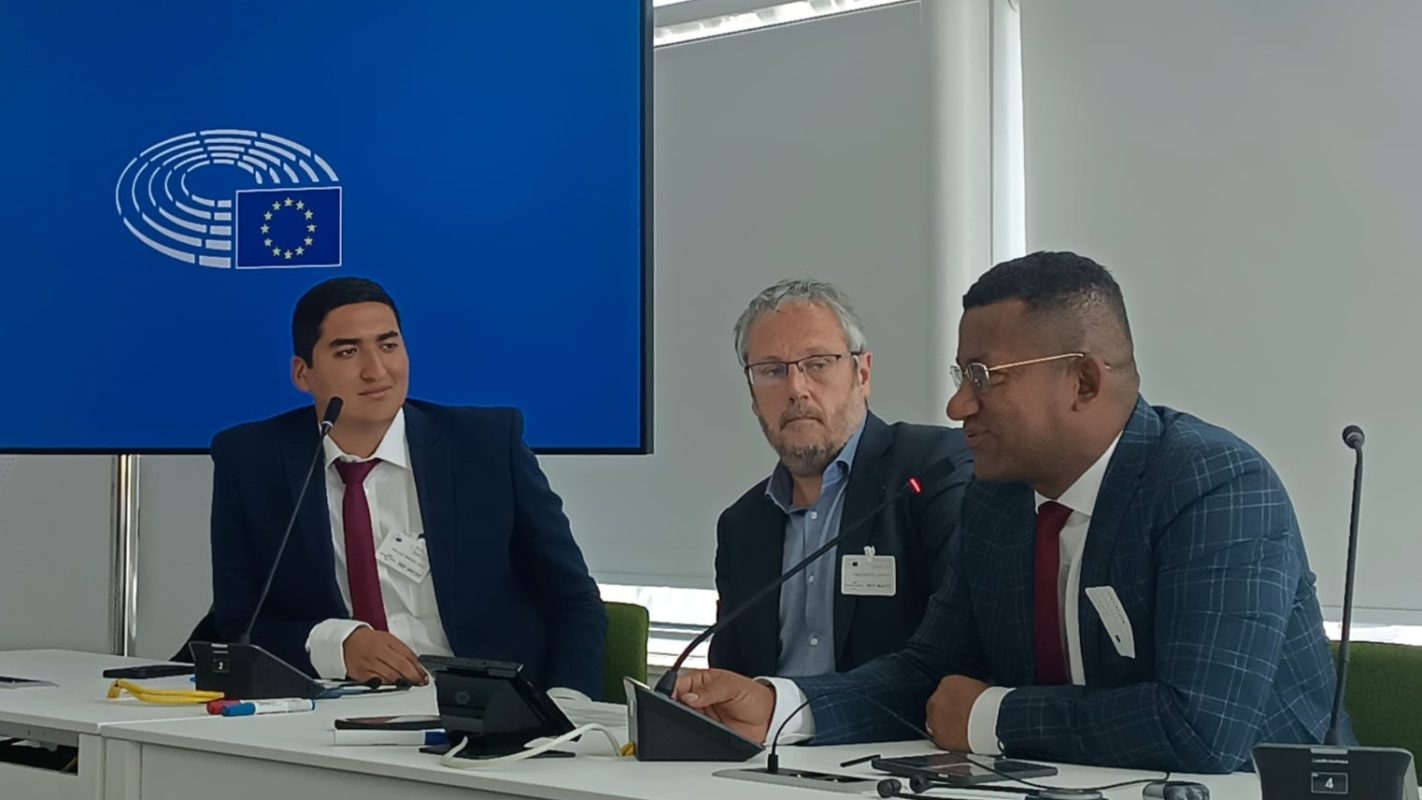
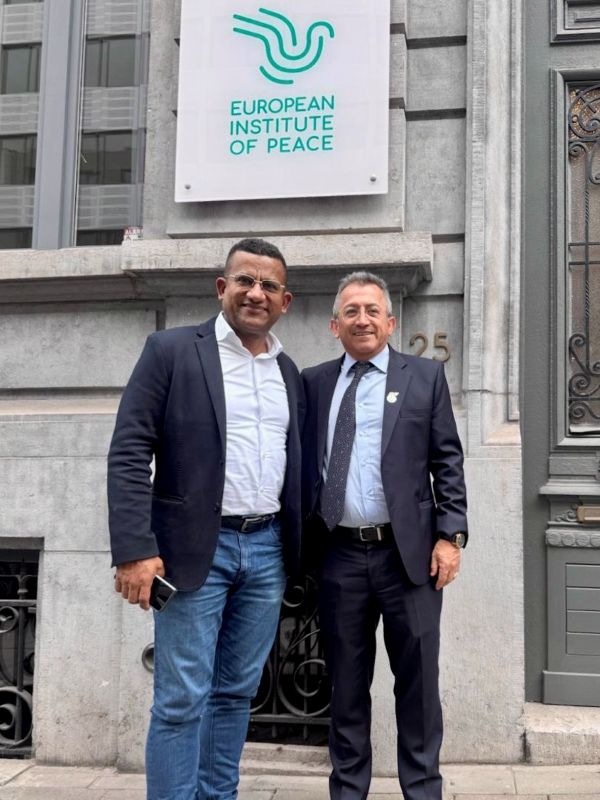
In June 2025, the Governor of Colombia’s Nariño department, Luis Alfonso Escobar Jaramillo, visited Bilbao, Vitoria and Brussels with the support of the Institute. The visit aimed to raise awareness of Nariño’s innovative peace efforts. It also sought to mobilise international support for a region whose stability and development are critical to Colombia’s peace efforts and hold significant implications for security across Latin America. Hearings were organised at both the Basque and European Parliaments, and meetings were held with the Basque Government and European Union (EU) Officials, including representatives from the European External Action Service, the Service for Foreign Policy Instruments, the DG for International Partnerships, and the DG for Migration and Home Affairs, among others. A working session with Brussels-based civil society organisations engaged in Colombia was co-hosted with the Colombian Ambassador in Belgium.
The Governor’s visit to Europe underscored the vital role of international partners, particularly the EU. European diplomacy can help raise the visibility of Nariño’s peace model and support it as a pilot initiative for conflict-affected border territories. Financial and technical cooperation – through the EU’s Global Gateway, bilateral partnerships, public-private ventures, and strategic partners like the Institute – will be essential to consolidate peace dividends, transition from illicit economies, and strengthen community resilience.
For over two decades, the EU has been one of Colombia’s most committed peace partners, investing over € 500 million in political and financial support, without considering the investments of its member states. Its backing was instrumental in securing the historic 2016 peace agreement and advancing its implementation. Colombia is one of the EU’s most notable successes in terms of conflict resolution and peacebuilding support. Today, with the CELAC-EU Summit in November on the horizon, it is vital to reaffirm that this is not the time to withdraw. Colombia, and territorial peace initiatives like those in Nariño, demonstrate that sustained, adaptable international support delivers security, development, and stability, benefiting not only local communities but also the wider region and the international community alike.


