Investing in Peace: The role of dialogue and conflict mediation in ensuring Europe’s security
06/11/2025
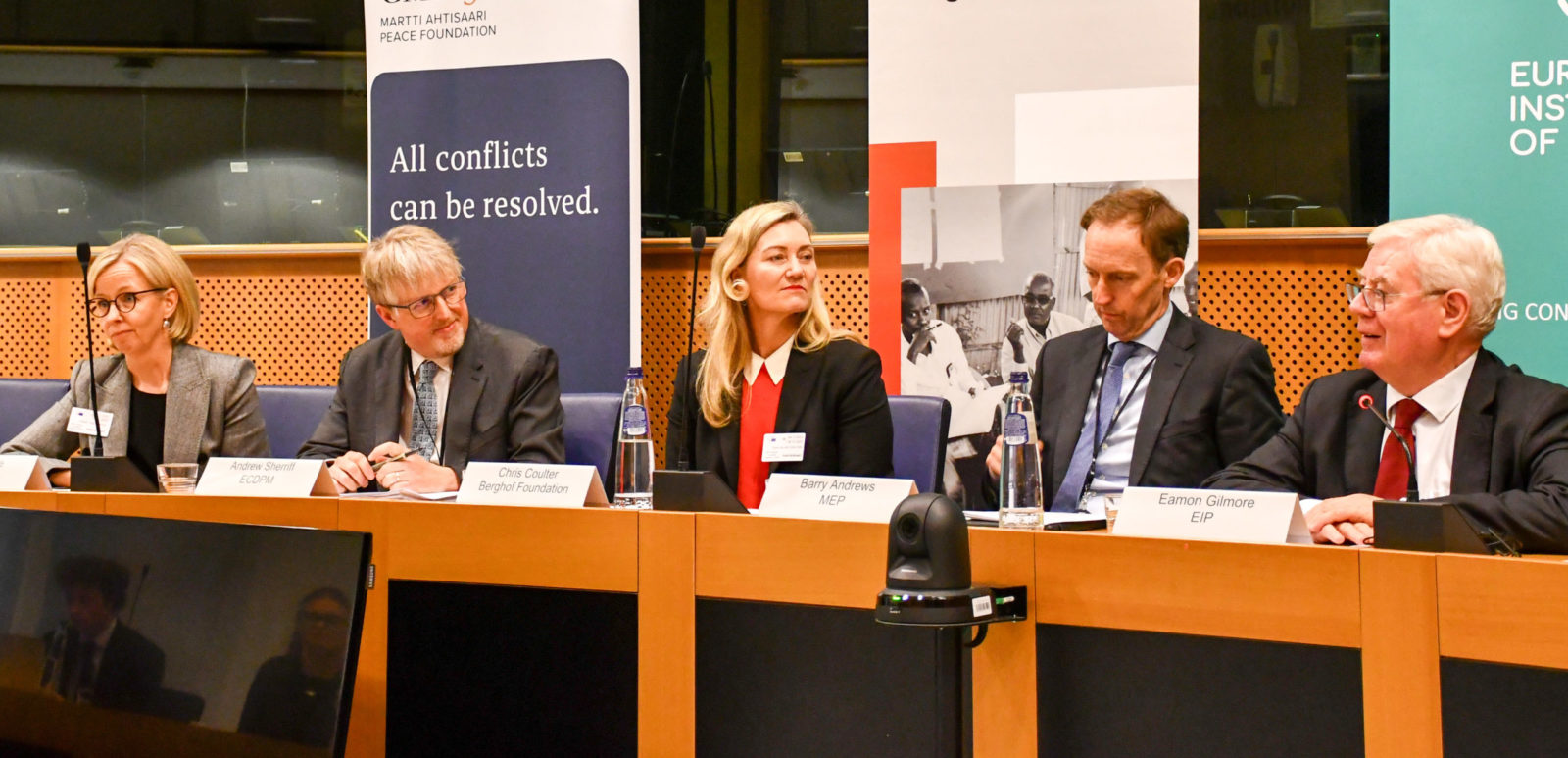
On Tuesday 4 November, the European Institute of Peace co-hosted a high-level roundtable at the European Parliament, titled “Investing in Peace: The role of dialogue and conflict mediation in ensuring Europe’s security” with CMI – Martti Ahtisaari Peace Foundation, the Berghof Foundation, and Barry Andrews MEP.
The roundtable made the case for investing in peacemaking in the European Union’s Multiannual Financial Framework (MFF) 2028-34, which will be negotiated between the European Parliament, European Commission and Council of the EU for the next two years.
Eamon Gilmore, Senior Advisor at the Institute, set the scene by highlighting how, in a world with more conflict than at any time since the Second World War, there is a pressing need to make and sustain peace. This, however, requires significant investment of both time and resources: “If you want peace, you need to invest in it. Peace takes effort, investment, resources, and human power to make it happen, and needs far more support than it is getting.”
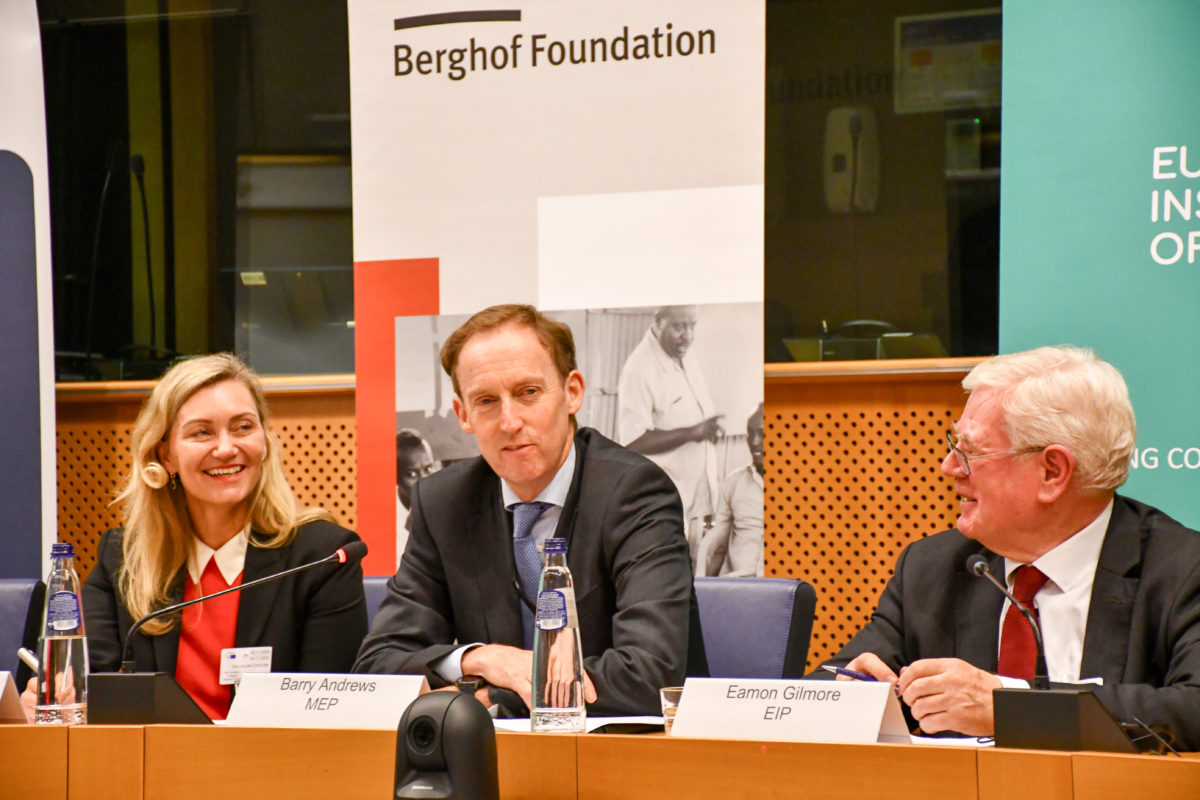
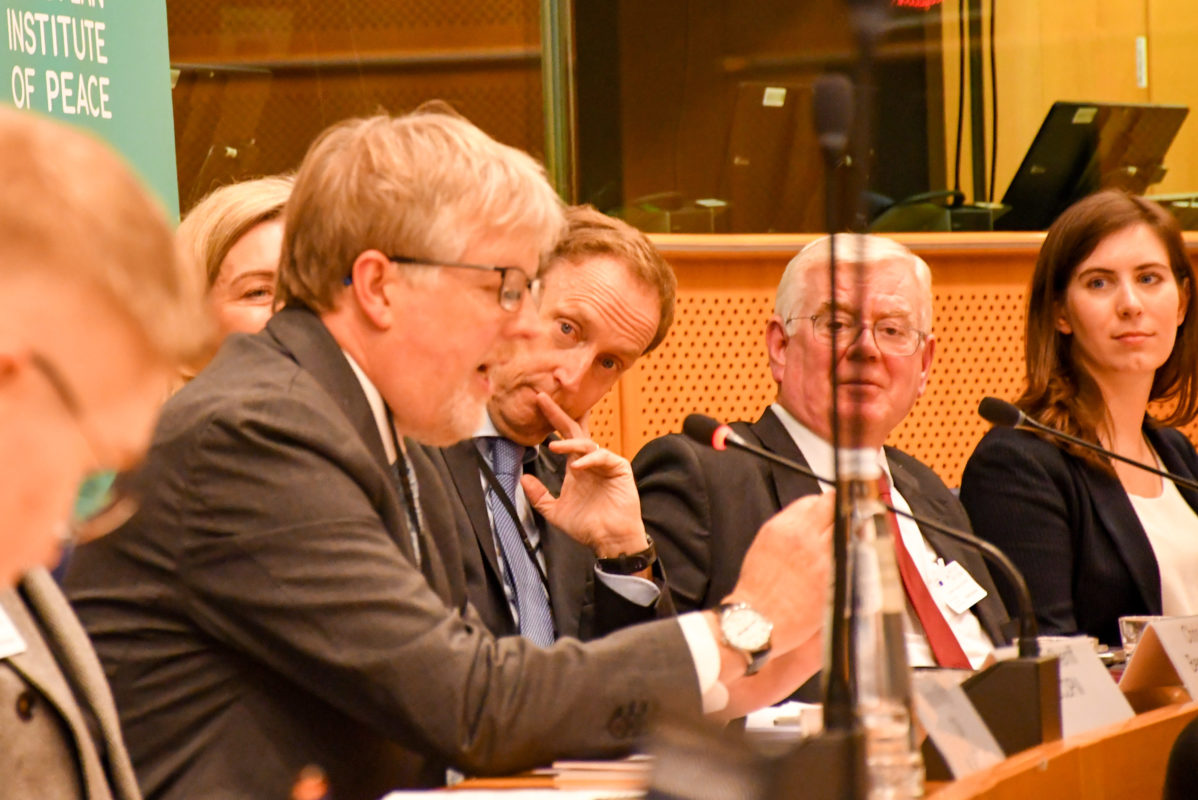
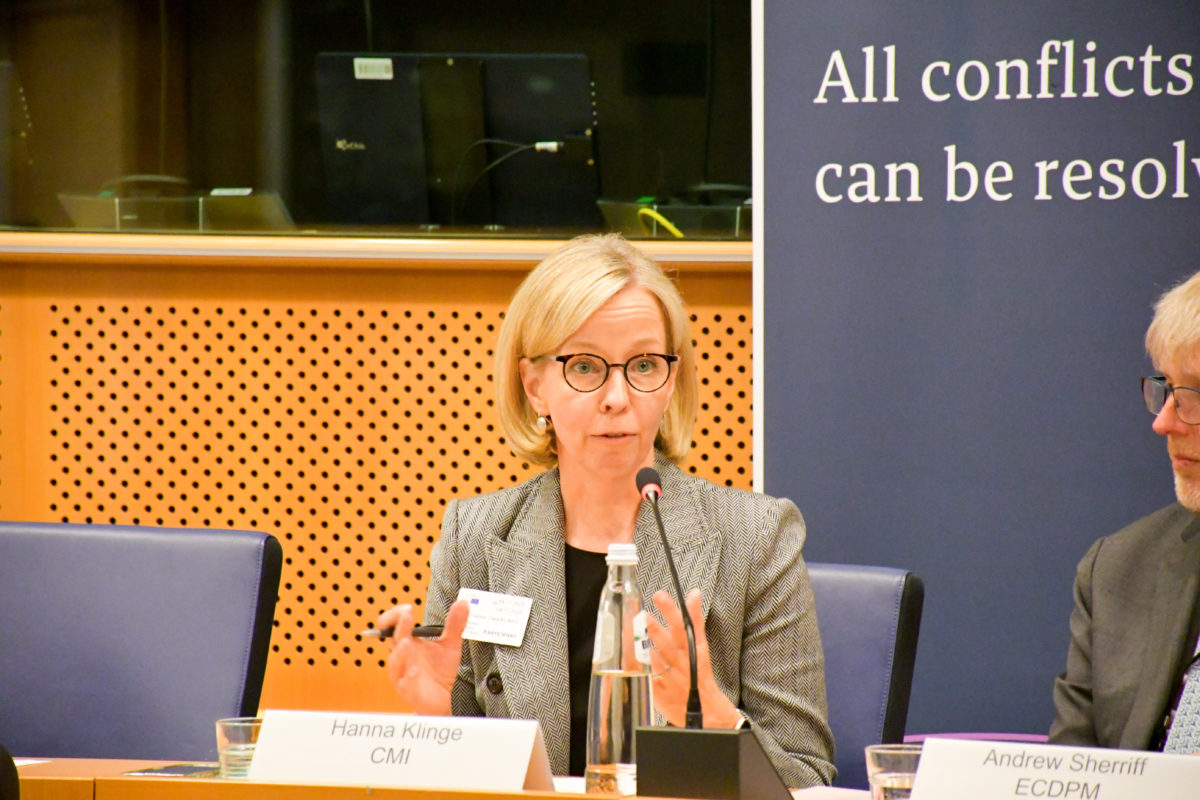
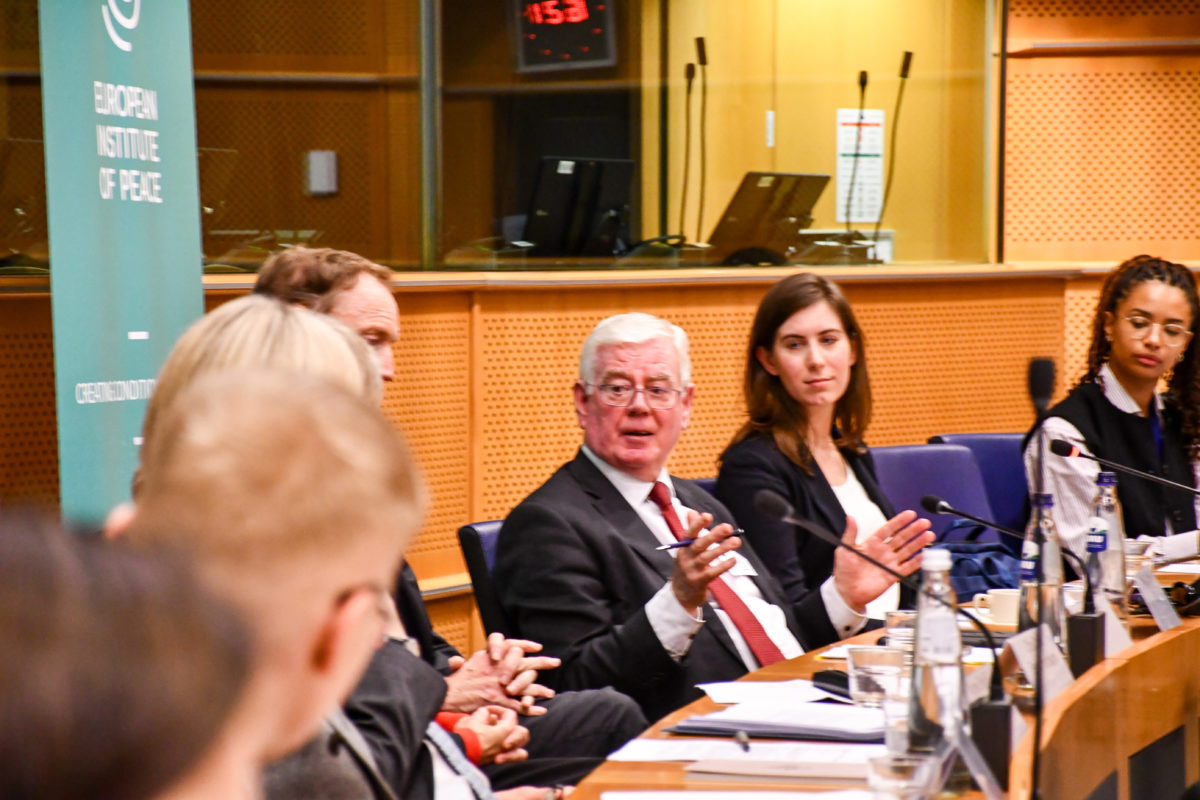
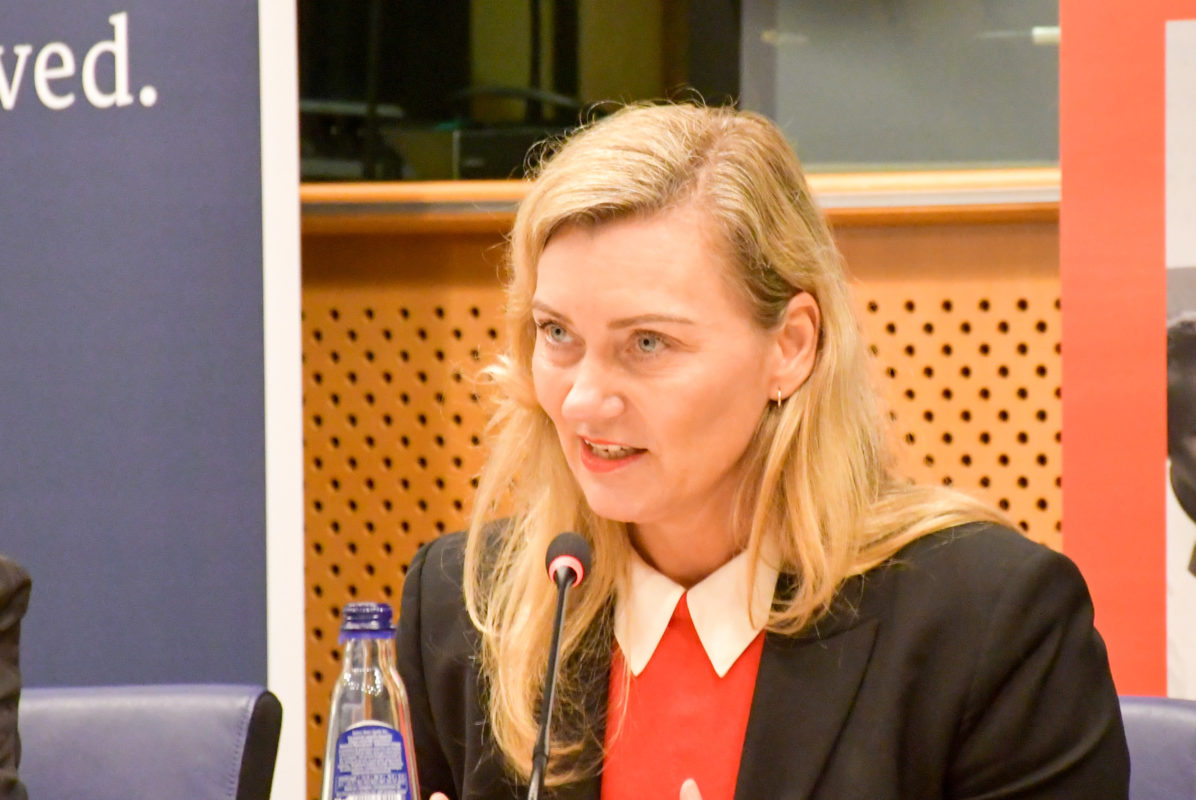
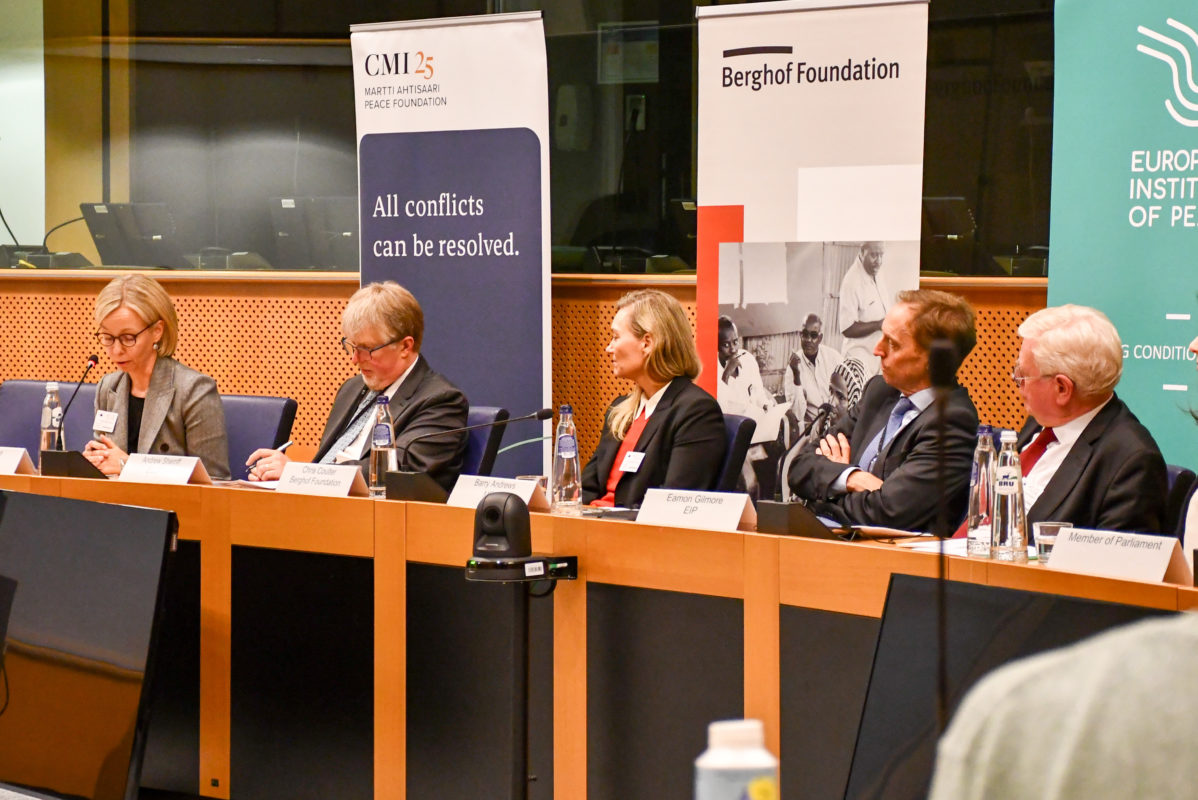
Throughout the discussion, speakers Barry Andrews MEP (Renew Europe, Ireland), Chris Coulter (Executive Director, Berghof Foundation), Hanna Klinge, (Deputy CEO, CMI) and Andrew Sherriff (Associate Director of Institutional Relations and Partnerships, ECDPM), brought up practical examples of their work in peacemaking, and highlighted a few key messages about European investment in peace:
- Peacemaking is cost-effective and sustainable. Military spending can be extremely costly, with a single fighter jet in the range of 70-110 million euros. Peace investment, on the other hand, is less expensive: a widely cited study by the World Bank states that for every dollar spent in conflict prevention 16 dollars can be saved in conflict costs: Investing in peacemaking is not just a moral imperative, but also a smart economic decision.
- Dialogue and mediation take time and resources but deliver real results. Peace processes require formal and informal networks, a clear understanding of local contexts and agendas, resources, and human powers. They also do not happen overnight: speakers highlighted how the Irish and Colombian peace processes went on for more than a decade. But peace is worth the wait, and the investment.
- The new MFF will need to balance defence spending with peace and development priorities. Military investment is very costly and cannot guarantee European security alone; it will need to be accompanied by investment in diplomacy, mediation, and conflict prevention that tackle root causes and support peacebuilders.
- This is a crucial moment for the EU to reaffirm its role as a leader in supporting sustainable peace around the world. As other global powers are investing less and less in sustainable peace Europe can and should step up to fill the gaps. This will strengthen the perception of EU’s external action worldwide and contribute to European security without compromising the EU’s values.
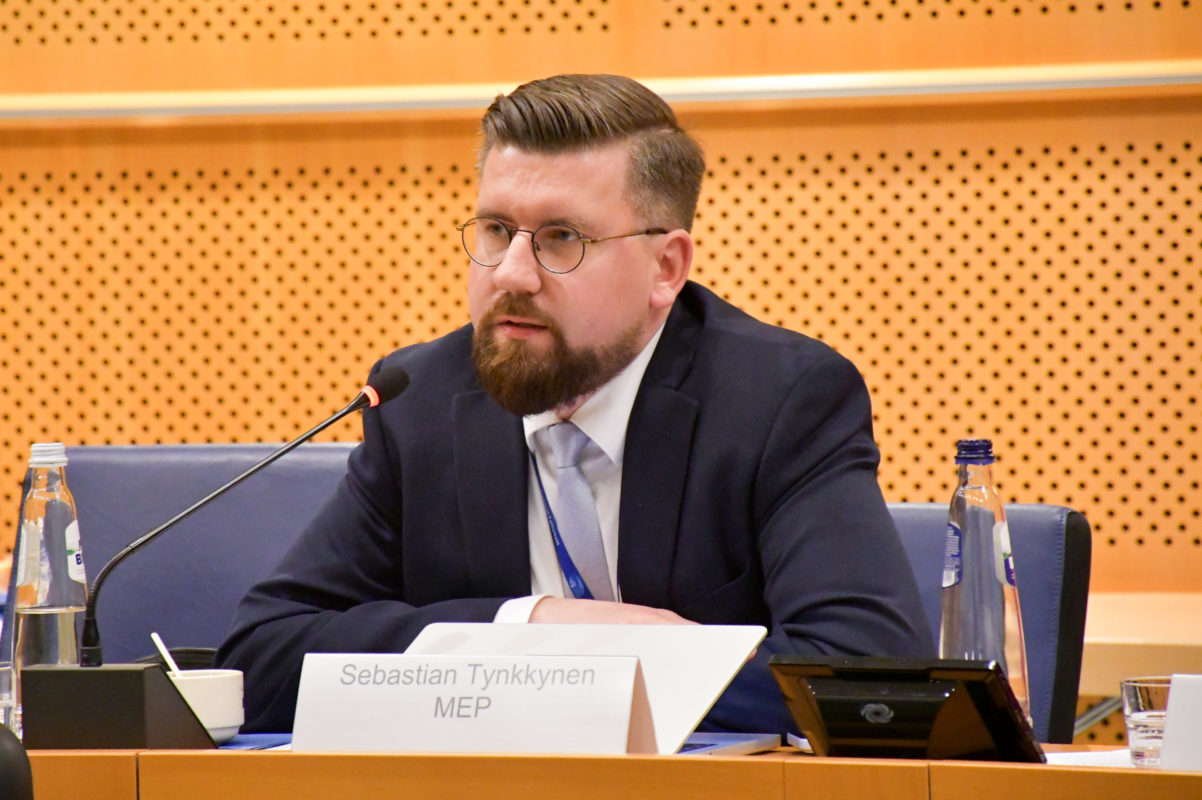
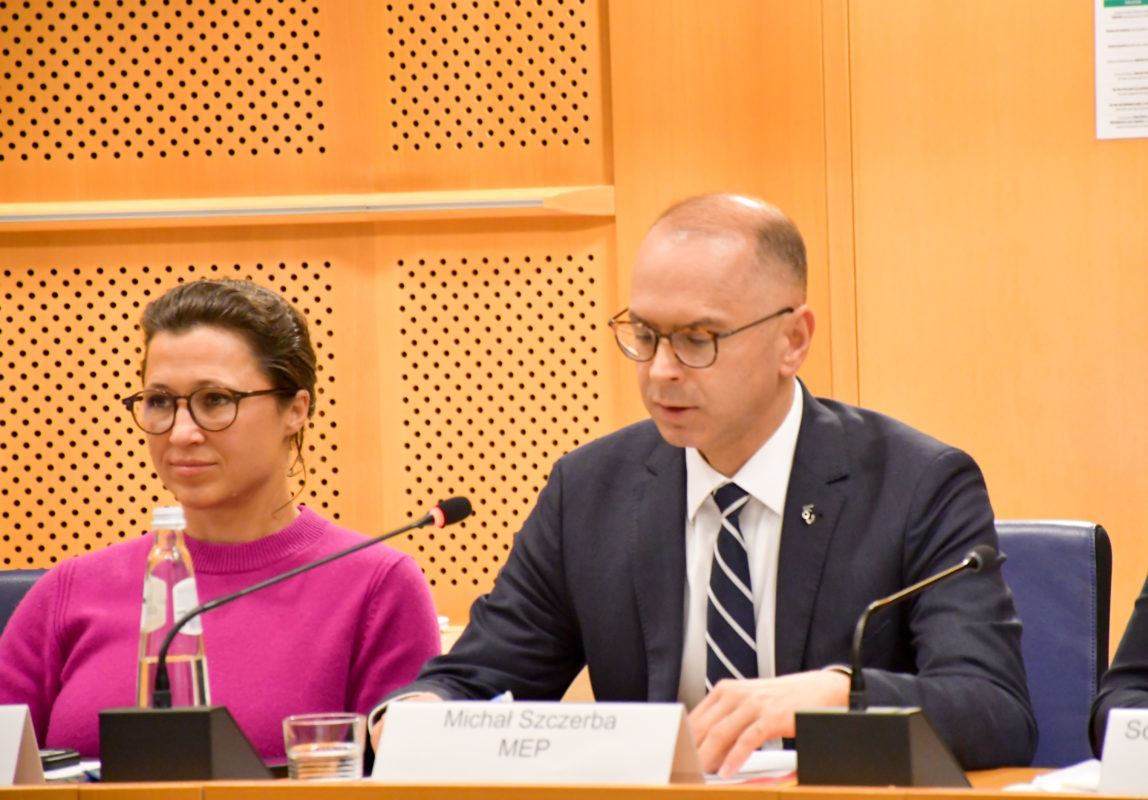
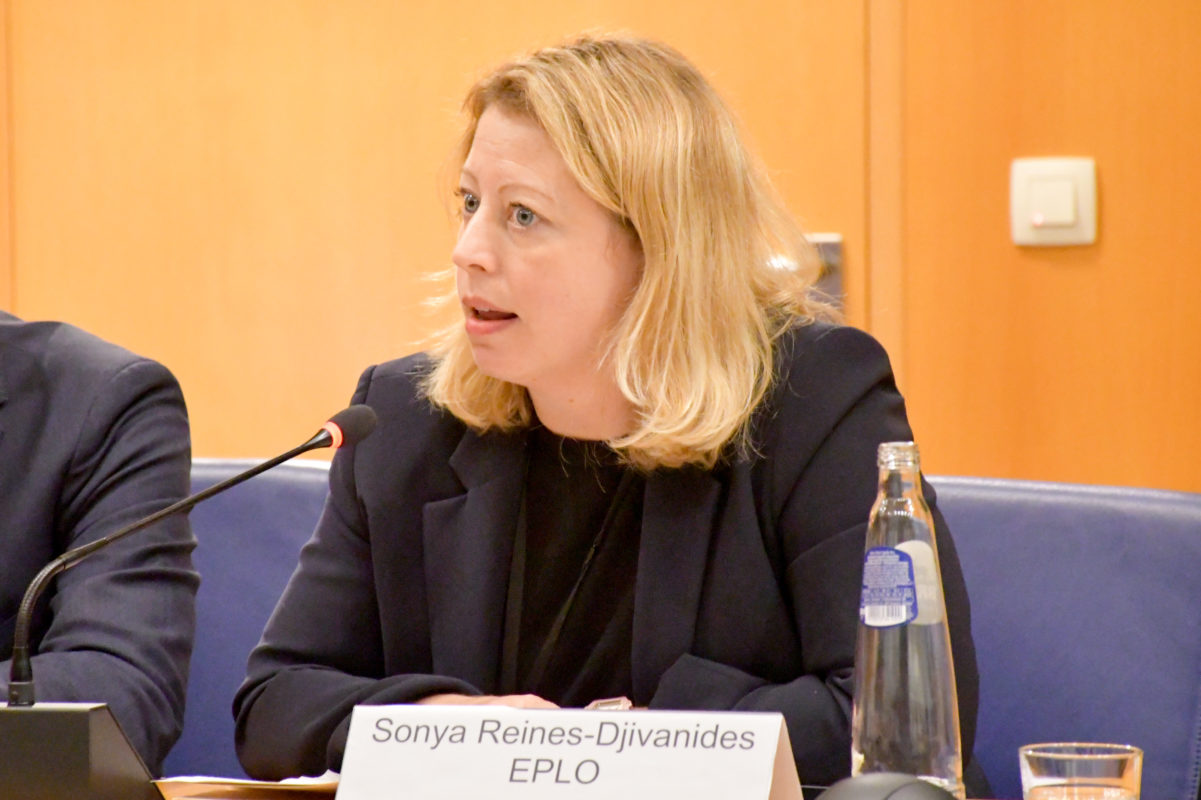
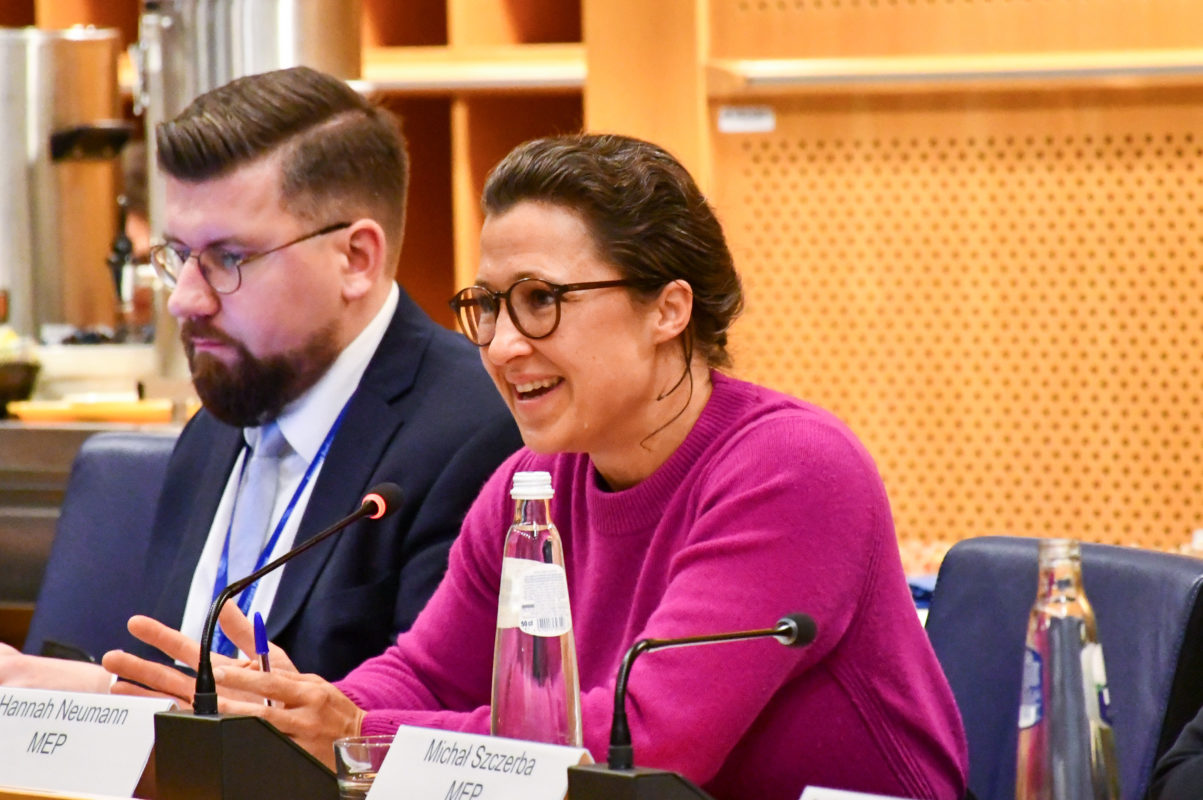
The roundtable also saw interventions from Michal Szczerba MEP (EPP, Poland, and advisor to the Institute’s Board), Hannah Neumann MEP (The Greens, Germany), Sebastian Tynkkynen MEP (ECR, Finland), and Sonya Reines-Djivanides (Executive Director, EPLO), who provided a wide range of perspectives on Europe’s global role and on investing in peacemaking in the next MFF.