Sharing our Women, Peace and Security research in New York and Washington DC
25/11/2025
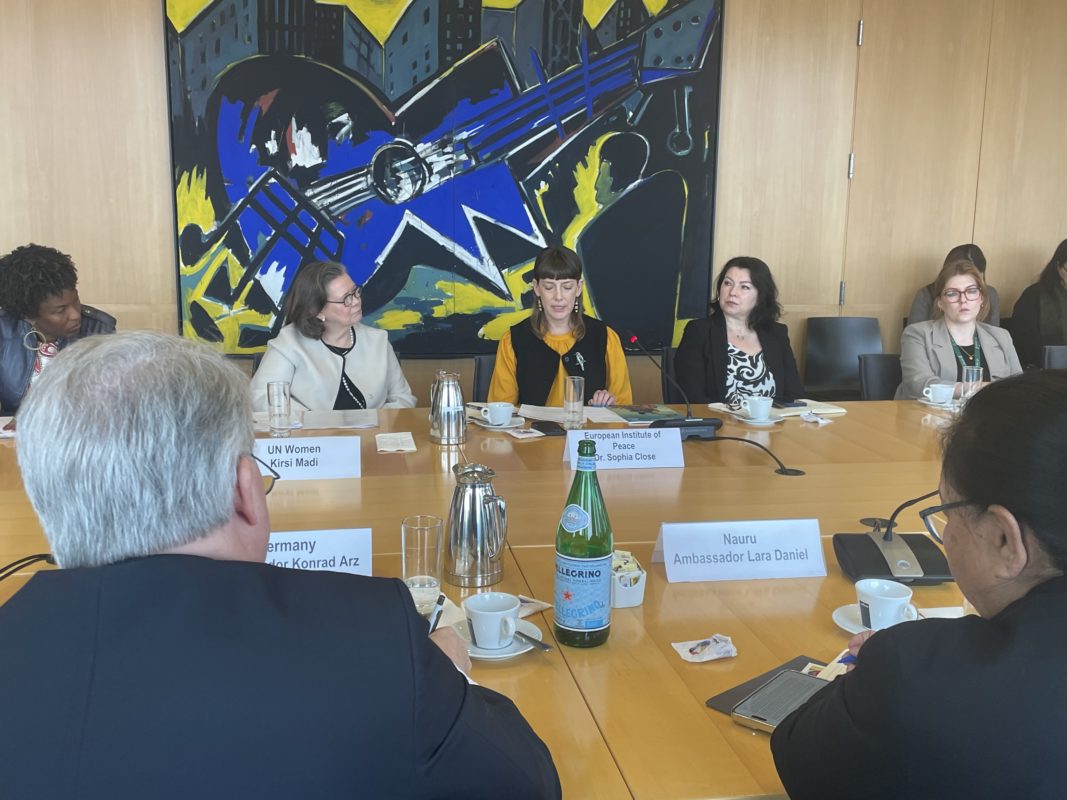
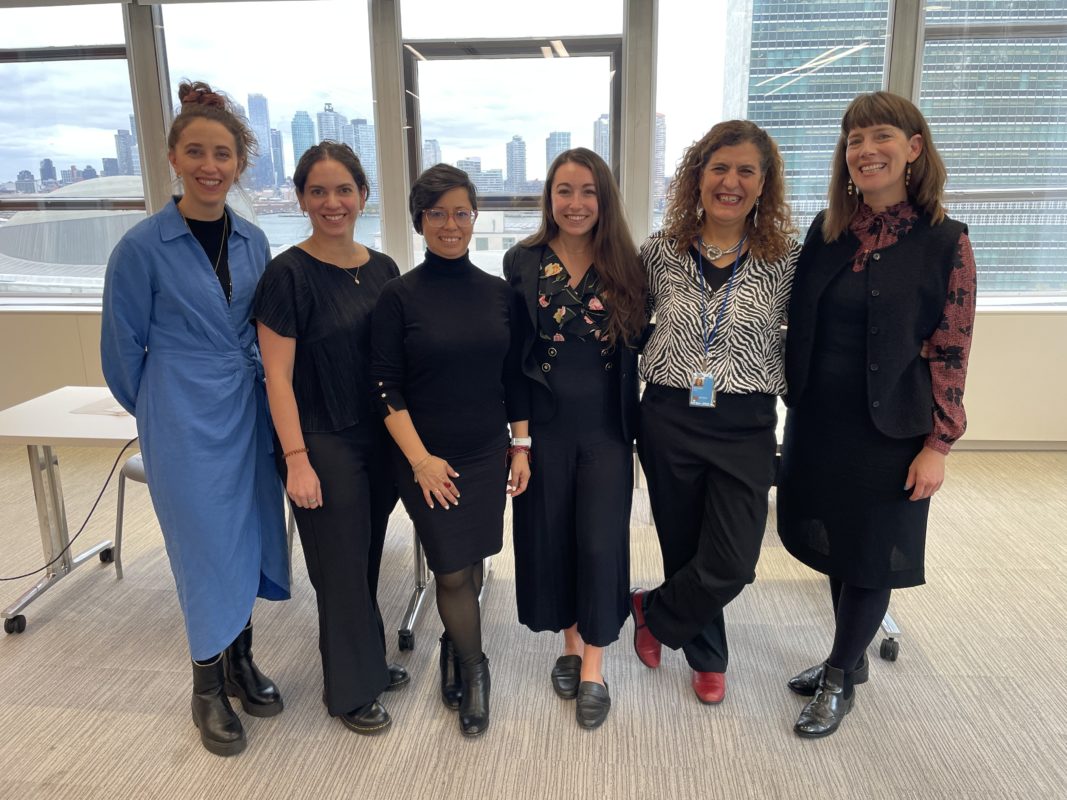
In October our Programme Manager Miriam Østergaard Reifferscheidt and Senior Advisor Sophia Close shared evidence from our Breaking Barriers, Making Peace research with practitioners and policymakers at events hosted by UN Women, Women’s Peace and Humanitarian Fund, Women’s International League for Peace and Freedom (WILPF), PartnersGlobal and Alliance for Peacebuilding (AfP) in New York and Washington DC.
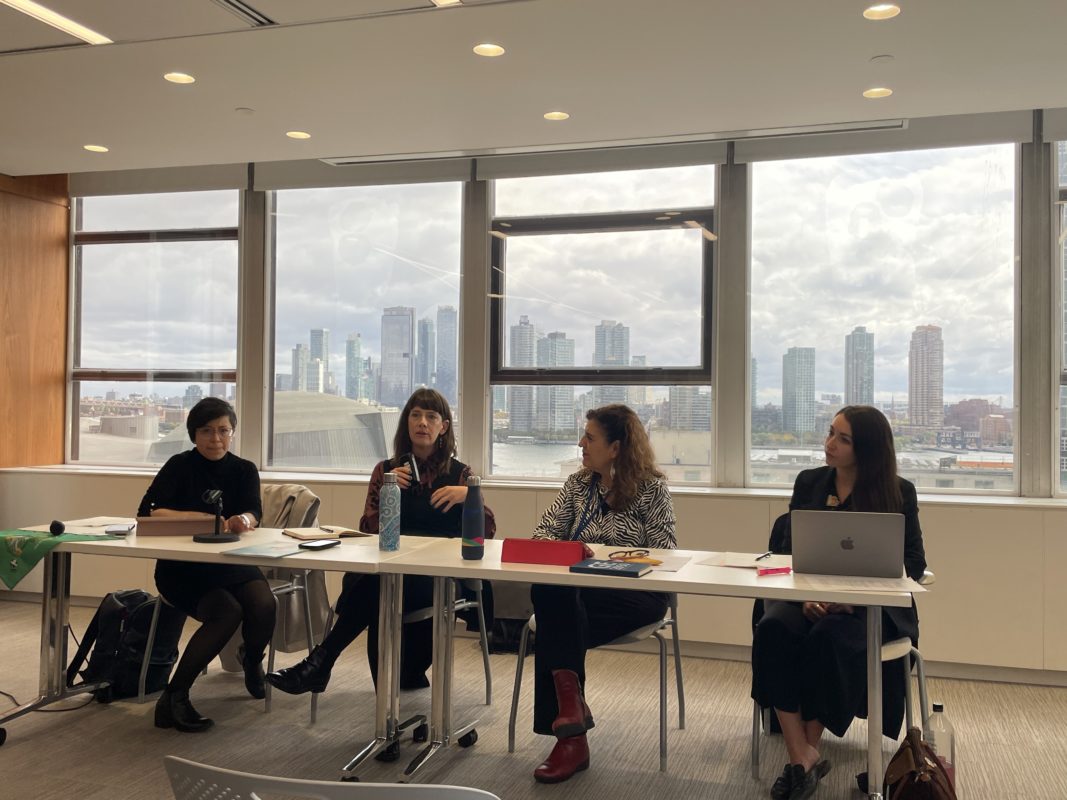
Our research across Myanmar, Ethiopia and Sudan reveals a sobering truth: 25 years after UNSCR 1325, the Women, Peace and Security agenda is ‘lost in plain sight’. We have robust normative frameworks but serious implementation gaps. We identified five persistent barriers limiting women’s meaningful participation in peacebuilding:
- Persistent patriarchal power and resistance – woven through international institutions and local structures. Many male-dominated organisations use ‘neutrality’ to avoid pushing for gender-inclusive outcomes.
- Threats to women’s security – Technology-facilitated GBV, conflict-related trauma and threats silence women’s leadership.
- Narrow, hierarchical and siloed efforts – Women remain mostly excluded from Track 1 peace processes despite 75% of peace processes involving women in informal peacebuilding.
- Incrementalism, exclusion and marginalisation – There’s a persistent belief that gradual inclusion is sufficient. This ignores the active systems maintaining exclusion.
- Underfunding and weak political investment – 99% of gender-related international aid fails to reach women’s rights organisations directly. Most receive funding for under 18 months, making sustained impact impossible.
These barriers aren’t accidental oversight. They are loaded with colonial history and oppressive gendered power dynamics, deeply embedded in global and local structures.
But we also found hope.
Our research assessed 12 promising practices to revive WPS implementation, including:
- Gender quotas: We call for mandated minimum 30% women in all preparatory talks, ceasefires and peace mediation processes. E.g. involving women in water project design increases effectiveness by up to seven times.
- Sub-national WPS Plans: Moving beyond traditional foreign affairs and defence silos to integrate climate resilience, economic security and health with culturally appropriate language.
- Radical reparative funding: Long-term, flexible core funding to feminist organisations, replacing colonial risk-management frameworks. Budget for physical, digital and psychosocial security as a participation right, not an extra.
- Building solidarity with men: Working with men in power to change discriminatory laws and social practices preventing women from participating in decision-making.
The climate-peace-security nexus is critical. From Myanmar’s monsoon disasters to Sudan’s desertification and Ethiopia’s droughts, climate shocks drive displacement, resource conflict and gendered insecurity. Women’s leadership in adaptation and resource governance must be recognised as a strategic security investment, not an add-on.
Resisting militarism is central to effective WPS implementation. Militarised values that elevate hierarchy, domination and force while sidelining cooperation, inclusion and care are inherently patriarchal. Without confronting militarism, new political formations simply reproduce patriarchal structures.
This isn’t only about justice: it’s about effectiveness. Our evidence shows meaningful women’s participation is a strategic imperative for sustainable peace.
Thanks to our partners for creating space for these useful conversations, and to all the women peacebuilders globally, and especially in Myanmar, Ethiopia and Sudan whose courage and insights shaped this research.


