In 2024, on the occasion of the 10th Anniversary of the establishment of the European Institute of Peace, the Institute commissioned a series of articles about our work, interviewing staff members, senior advisors, and people who have worked with us in the past decade on conflict prevention and resolution in different areas of the world.
How best to communicate our work is not obvious. Discretion is often an essential ingredient to what we do, for example around dialogue and engagement with parties to conflict and their supporters. But we cannot afford not to communicate in an increasingly crowded media and public affairs environment, one in which political and public recognition is too low regarding the value and practical benefits of the work that we and our partners undertake. “What you are doing is great – why aren’t you telling more people about it?” is a typical reaction from partners that want to increase their support for us. Sharing these stories about the Institute’s work is of the ways in which we are responding to these requests.
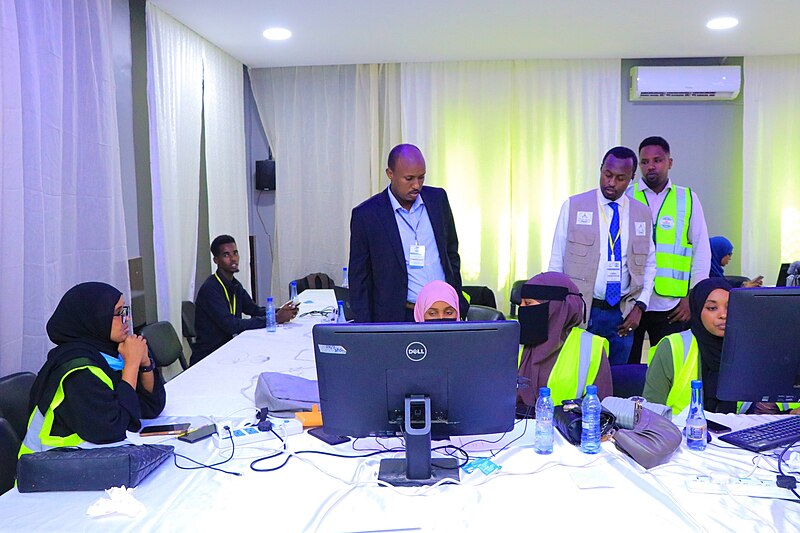
When he’s not deployed on missions to the Horn of Africa, you can usually find Nuradin Dirie working at a quiet desk in one of the reading rooms upstairs in the British Library. It’s his ‘office away from the office’, as he likes to call it. It’s certainly a stark contrast to the arid plateaus and plains of Puntland in northern Somalia, where he’s most recently been active for the European Institute of Peace.
Nuradin has always had a keen interest in diplomacy, both in his native Somalia and in the UK, where he has lived for over thirty years. When the Indian Ocean tsunami hit the coasts of Somalia in 2004, he mobilised his network among the diaspora community in the UK to coordinate a response. Soon, he travelled to Somalia to play a role in the urgent humanitarian relief effort underway there. Working with the international disaster response in his native country, he saw the impact he could have working across cultures. After the disaster, he decided to continue working in Somalia, building a bridge between his country and the international community. Since then he has worked as a diplomat, humanitarian and a leader in local politics. Today, Nuradin Dirie is the European Institute of Peace’s Senior Advisor in the Horn of Africa, where his contacts and experience in the region are frequently called upon to help understand and mediate conflicts – many of which are deeply political in nature.
It’s a less partisan role than he has played in the past. Ideally, democracy blends new ideas with collective consensus, balancing individual choice with social harmony. However, disrupting traditional systems can be catastrophic, particularly following conflicts.
The Worst Form of Government, Except for all the Others
In Puntland in 2023, attempts to shift from a traditional, clan-based political system to direct elections threatened to spark civil war. Nuradin’s contributions, and the Institute’s role in navigating these tensions—drawing on local knowledge and international support—were crucial to ensuring peace in a moment of instability.
The Puntland region of Somalia is pastoral, and urban settlements are a relatively new development. Social systems that are sometimes thousands of years old had always been relatively stable, maintaining equitable power distribution among pastoral groups. Since Puntland’s establishment as an autonomous federal state in Somalia in 1998, elections had followed an “indirect” model based on those traditional systems: elders representing pastoral clans chose their own representatives in parliament, and these representatives had in turn chosen the President.
From an outside perspective, it could seem unfair that unelected, often dynastic clan elders should wield such political power. The system, deeply rooted in the specific community bonds and structures of nomadic herders, had evolved to foster stability, not individual choice.
In 2023, just months before the end of incumbent Puntland President’s Said Abdullahi Deni’s term, he presented new legislation to replace the traditional, clan-based system with direct elections — starting with that year’s vote. Outside observers saw Deni’s sudden push to establish universal suffrage as a move toward a better democracy.
Locals quickly understood it as a power grab. In Puntland, maintaining the balance of power between the many local clans and sub-clans is an extraordinarily delicate affair. Particular care is taken to ensure that the presidency is rotated among three main factions making up a dominant clan, called the Mohamoud. Under the unwritten agreement, which some analysts argue is the key to Puntland’s stability, President Deni, an Osman Mohamud from the Bari region, was supposed to be followed by a representative of a different sub clan, the Isse Mohamud. Under the proposed new suffrage scheme, the Isse Mohamud would have lost their traditional turn in office. Resistance to Deni’s attempts to bring in universal suffrage was strongest in a northern region of Puntland called Nugaal. The Isse hail mostly from a region called Nugaal.
To be sure, many residents of Puntland had grown tired of the traditional model, criticizing clan governance as corrupt and inefficient. But changing the existing system, and balance of power. required consultation and careful handling, in a society that has been governed along clan lines for thousands of years. Instead, the sudden attempt to push through a shift to direct elections, particularly by a President facing the end of his term, was not viewed as an effort to make Puntland more democratic. When voices that understood the local context criticized it as a calculated attempt to hold onto power, the proposal instead just stoked long-standing tensions.
In June, 2023, deadly clashes occurred between an opposition militia and government forces in the state capital Garowe. The fighting threatened to erupt into widescale violence. Though Puntland had escaped the worst of the Somalia civil war in the 1990s, inter-clan tensions were high. Insurgent groups and other militant non-state actors were also present in the region, and though they had no direct connection to the Presidential politics, they could exploit any instability for their own purposes, particularly if electoral tensions escalated.
To de-escalate the complex, fast-deepening crisis would require experience, local knowledge, and connections to civil society and the international community. Led by Nuradin, the Institute became active in Puntland, as part of the effort to prevent the conflict from spinning out of control.
Applying Pressure from Above
In addition to establishing a direct vote for representatives, Said Abdullahi Deni’s proposal for a direct vote would have shifted Puntland’s government from a longstanding parliamentary system toward a presidential one. Opponents said the change would place too much power in the executive. Dani’s government fired back that the opposition were trying to stall democratic progress.
As the situation escalated and the threat of widespread violence seemed ever more real, Nuradin and the European Institute of Peace conducted shuttle diplomacy between local communities, traditional authorities, political power brokers, armed groups, civil society organisations and the international organizations. The work took a multi-pronged approach: bottom-up through local networks, and top-down through high-level, to diffuse tensions, rebuild broken relationships, and persuade President Deni to retract his flawed reform plan.
Technical expertise was important to Nuradin’s efforts. But his intimate knowledge of how local politics worked in Puntland was even more critical. In 2009, he himself had been a presidential candidate in the state.
“I knew the motivation of the local politicians, I knew what they were playing at, because I had played the game myself. And now I played that same game not for politics, this time, but for peace.”
He also had reliable access to decision-makers in the international community.
“The kind of authority it gives you, it’s really valuable,” he says, “because local power holders see I’m representing the European Institute of Peace, they see that I’m regularly briefing the diplomatic community, that I’m able to generate pressure from the UN Special Representative, or from one of the Ambassadors – people make these associations, and they carry weight.”
Nuradin and the Institute were often vital links for the international community, briefing EU member states, plus the UK and US ambassadors on the evolving situation on the ground, and providing recommendations for how they could best target their interventions and support. Much of the investment in Puntland and support to the security sector comes from international donors, a source of significant influence over the government’s decision-making. The Institute was able to leverage its access at the right moment, a testimony to the importance of maintaining strong relationships and access to actors at the highest level.
Applying Pressure from Below
Diplomatic engagement was a critical component of the efforts to avert a crisis, but ultimately it was outreach to those in Puntland’s wider civil society which likely carried greater weight in the resolution of the situation. Were election tensions to transform into violence, it would be Somalis, not the international community who would be on the frontlines of that conflict.
Drawing on extensive local knowledge and networks, the Institute partnered with the Puntland Non-State Actors Association (PUNSAA) and the Puntland Development and Research Center (PDRC) to engage with a broad diversity of actors on the ground. Abdinasir Yusuf, the deputy director of the PDRC, knows himself what it means to live through violent conflict, having been forced to flee Mogadishu at just 12 years old. He worked with the European Institute of Peace and the PUNSAA tirelessly, day in, day out for nearly three months, to try and avert an outbreak of civil war in Puntland.
Abdirahman Abdirazak is the chairman of PUNSA and has been working with civil society in Puntland for twenty years. The platform comprises 120 groups including women, youth, traditional elders, national NGOs and the business community. Abdirahman says that without the push together with Nuradin and the Institute to reach out to civil society and calm tensions, he can’t imagine what would have happened.
“We tried all kinds of different approaches. Even when the president refused to meet with certain groups, we engaged in shuttle diplomacy and ran around between actors to try and build bridges. We met with armed groups, we listened to their grievances, then we would communicate these to the government. We relied heavily on the network of the EIP and Nuradin, it was really crucial for us.”
Through a vast network of contacts on the ground and a wealth of local experience, as well as access to international institutions, the Institute was able to work with local partners and avoid disaster. A month before the January elections, under considerable diplomatic and local pressure, President Said Abdullahi Deni agreed to maintain the clan-based indirect model, abandoning the shift to direct elections that had brought Puntland to the brink of civil war.
We will never know how things might have turned out had the plan gone ahead. A crisis averted rarely makes the headlines. But Nuradin and the Institute’s partners on the ground believe their work helped avoid bloodshed. He said:
“Without that kind of collective work, the partners providing the community side, us providing the political engagement and the diplomatic angle, I don’t think we would have had peaceful elections.”
It even worked out well for President Deni, who lost his reform plan, but managed to win re-elections, a first in Puntland’s recent political history, due in part to the inability of opposition groups to organise during the unrest. The question remains as to whether the President, and Puntland society at large, will now take this opportunity to reflect and re-organise to implement reform in a more sustainable way without reigniting tensions before 2029.
Being the Bridge
The European Institute of Peace’s work in Puntland shows just how critical it is for conflict resolution mediators to sensitively combine local knowledge with outside technical experience, cultural traditions with international norms. In Puntland, flexible, adaptive, locally grounded and internationally connected peacemaking organisations like the Institute complemented existing institutions, bridging not just factions and competing interests, but cultures and generations, and began the process of successfully navigating change together.
Modern culture has a tendency to think of ‘traditional’ systems as outdated, a quaint cultural heritage. But sometimes the solutions to our problems don’t just lie in the future. There is wisdom in tradition that the modern world often ignores. Somalis living in Puntland remember a thousand years of pastoral tradition. As Nuradin puts it,
“Before we learn our first word of the Qur’an, we learn about who we are, and that means who our ancestors were. Who we are is who we were.”
Their experience of ‘modernity’, by way of colonialism, is only about a hundred years, Nuradin notes.
“You can understand the reluctance of people to accept the modern system, because it’s like 10% of their being. And you want to ignore 90% of who they are.”
For Nuradin, any sustainable peace has to be rooted in the sustainable culture of communities.
“We are where we are, we’ve been living with this nomadic, pastoral system of governance for the past thousand years, we can’t change it like that, so what elements of it do we want to include, and what elements do we want to include from modernity to make sure everyone’s included?”
In 2024, on the occasion of the 10th Anniversary of the establishment of the European Institute of Peace, the Institute commissioned a series of articles about our work, interviewing staff members, senior advisors, and people who have worked with us in the past decade on conflict prevention and resolution in different areas of the world.
How best to communicate our work is not obvious. Discretion is often an essential ingredient to what we do, for example around dialogue and engagement with parties to conflict and their supporters. But we cannot afford not to communicate in an increasingly crowded media and public affairs environment, one in which political and public recognition is too low regarding the value and practical benefits of the work that we and our partners undertake. “What you are doing is great – why aren’t you telling more people about it?” is a typical reaction from partners that want to increase their support for us. Sharing these stories about the Institute’s work is of the ways in which we are responding to these requests.
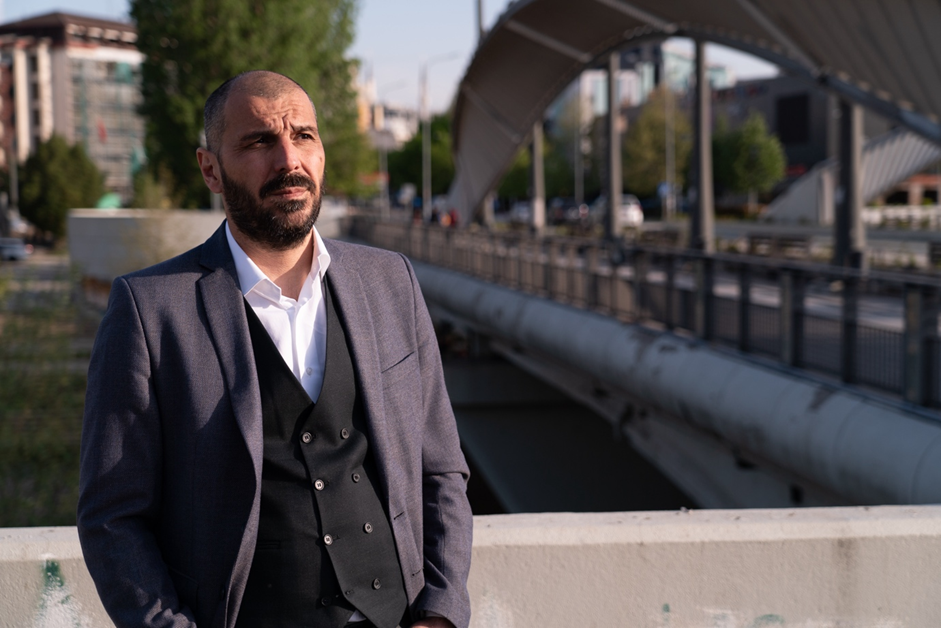
As the last of the evening light fades over Pristina, Kosovo, the European Institute of Peace’s Senior Advisor in the country, Senad Šabović, enters his local tavern, Taverna Erolli, to watch a football match. Inside, the owner is trying to pirate the match on the bar’s TV: last year, Kosovo stopped the broadcast rights of Telekom Srbija’s Arena Sport, after it televised messages of support for an attack on Kosovo Police in the Serb-majority village of Banjska by Serb gunmen in September. The loss of broadcast rights for sports became the next everyday frustration springing from the stalled ‘normalisation dialogue’ that’s been ongoing between Kosovo and Serbia following Kosovo’s declaration of independence — a declaration still not recognised by Serbia. The political effect of those daily frustrations is something that Senad understands with a local’s nuance, and brings to bear in his work for the European Institute of Peace’s efforts to bring stability to Kosovo.
Though Kosovo’s war may have ended over a quarter of a century ago, ongoing tensions between Kosovo and Serbia still affect so many aspects of people’s daily lives here. From the lack of recognition for educational and professional certifications, to cumbersome and expensive barriers on trade, exchange rates, postal services and communications infrastructure, much remains still unresolved. The simmering tensions occasionally offer the rest of Europe opportunities to understand the local frustration. In 2018, digital clocks across Europe suddenly fell behind by six minutes, causing disruption and confusion across the continent. When technicians finished their investigation, it turned out that a row between Kosovo and Serbia over outstanding electrical bills had caused a hiccup in the entire European energy grid. For Senad, the situation is exasperating.
We’re 25 years since the war and it’s almost an insult to the average person’s intelligence that we still have this level of tension as we speak today.
Daily frustration masks more serious possibilities. The Banjska attack was just the latest in a worrying string of violent incidents in the western Balkans. In May 2023 more than 90 NATO peacekeepers were injured in clashes with residents of Serb-majority municipalities in the north, after Serb residents boycotted elections and the local government forcibly installed rival Albanian mayors. Serbia responded by manoeuvring troops closer to its border with Kosovo, while NATO reinforced its presence with an additional 700 troops. Many in Kosovo say the international community has abandoned them after the military intervention in 1999, and simply doesn’t understand the risk of renewed fighting that remains today. Populist politicians on both sides increasingly resort to revisionist rhetoric about national identity to win support.
The Need to Belong
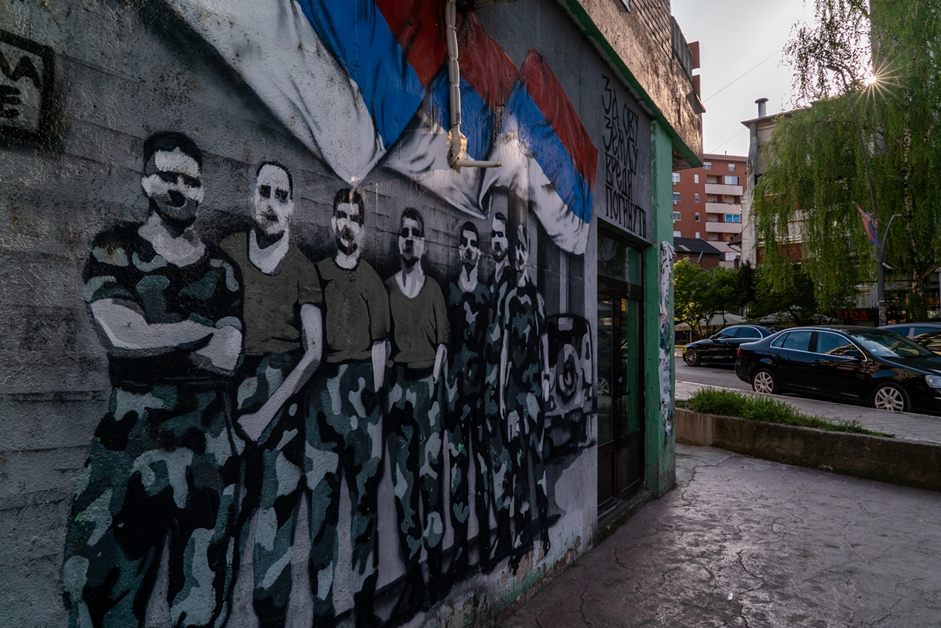
The profound social and cultural shifts that have accompanied globalisation have today left many disoriented, feeling a loss of identity as the certainties of the past rapidly dissolve.
Although a growing recognition of our identity as ‘global citizens’ is no doubt healthy, finding peace is not just about recognising our common interests, needs and humanity. It’s also about respecting and accommodating our differences. We don’t want to be everybody, everywhere, because that’s the same as being nobody nowhere. We also want to feel that we are embodied as someone, rooted somewhere – something that was denied to so many in Kosovo for so long. With little else to offer voters in terms of real material benefits, it’s a sentiment that so-called ‘populist’ politicians not just here, but everywhere from Budapest to Brandenburg have been playing on to win support.
The question is how to strike the balance between local communities and global society, and the western Balkans lies at the cutting edge of that challenge. How can we build institutions capable of respecting difference, while also addressing common needs for security, reliable services, and stable livelihoods?
Particularly when in the tavern, where a picture of Senad hangs on the wall alongside other regulars, they still can’t even get that evening’s match on.
Normalising Normalisation
The breakaway of Kosovo, previously a majority ethnic Albanian province in southern Serbia, was the last of the big Balkan conflicts of the 20th century. Forces led by Slobodan Milošević killed some 10,000 Albanian Kosovar civilians in retaliation for their community’s mobilisation, before in 1999 NATO eventually intervened with a three-month bombing campaign, forcing the withdrawal of Serb troops. After spending the next decade as effectively a UN protectorate, Kosovo declared independence in 2008. Recognised by a majority of Western countries, the declaration is still not universally accepted, and deep scars from the war remain. A legacy of ethnic divisions is part of a long list of grievances and issues that remain unresolved.
In 2011 an EU-mediated normalisation dialogue was initiated between Kosovo and Serbia with the aim of relieving political, social and economic tensions.
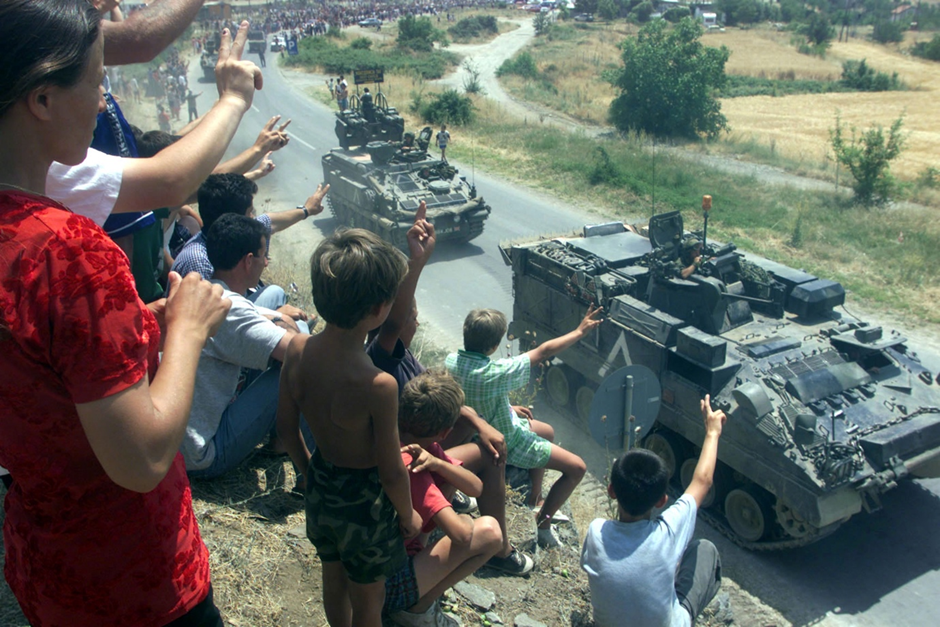
In the early years, the Brussels Agreements sought to resolve issues including freedom of movement, recognition of educational diplomas, regional representation and trade and international customs. Finally formalised in 2013, the landmark negotiations went further, when both sides agreed not to block or hinder the other’s integration into the EU.
But the most contentious issue of all did not get resolved: the status of the Serb-majority municipalities in Kosovo. The vast majority of Kosovo’s population is ethnically Albanian, and after Kosovo’s independence in 2008, significant communities of ethnic Serbs now found themselves a minority in the new nation. The idea proposed in the 2013 Brussels Agreement was to integrate these municipalities into Kosovo’s legal framework, but grant Serbian-majority municipalities a degree of self-organisation.
The process had enough backers, but implementation proved tricky. Many in Kosovo, spurred on by opportunistic political rhetoric, feared that the new Municipal Association would essentially become an extension of Serbia. At the same time, many Serbs in the north of Kosovo, echoing rhetoric rising in Belgrade, were afraid that the deal would cut them off from support from Serbia, and abandon them to an Albanian government in Pristina.
A State of Disassociation
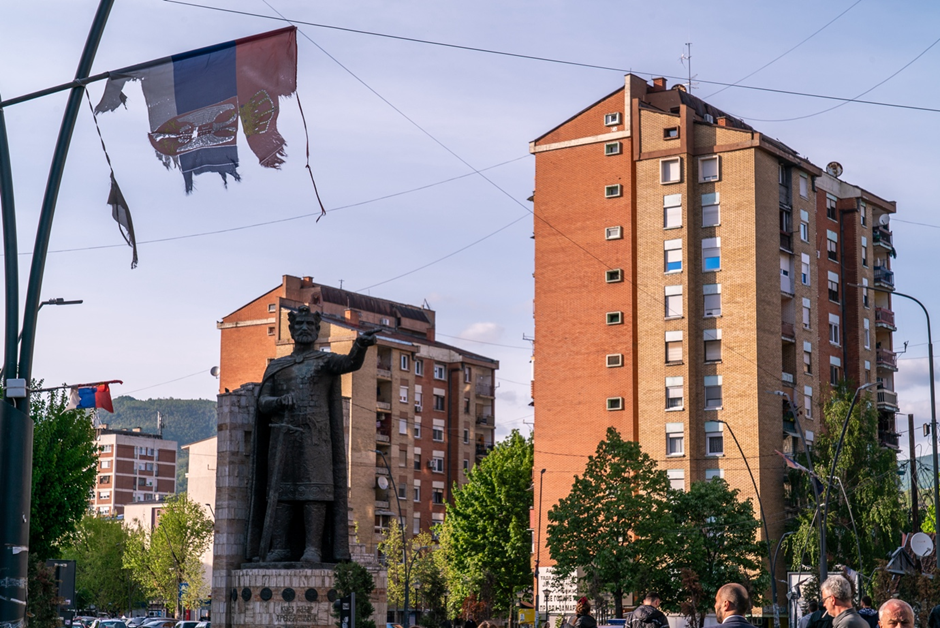
Central to these fears was the rise of populist and revisionist narratives in Kosovo’s national politics. And this rise in populism, just as it has been almost everywhere, was both a cause, and a result of the increasing rift between civil society, the government, and international institutions. In Kosovo, populist politicians – perhaps out of belief that the more technical governance agendas will not rally up voters – have for years worked hard to portray themselves as defenders of the nation, and to convince their constituents not only that Serbia fully intended to reclaim sovereignty over its erstwhile territory, but also that the EU was forcing Kosovo’s hand into capitulating to Serbia’s demands at the negotiating table.
Visar Ymeri, himself a former member of the now ruling party turned prominent civil society activist knows the game intimately. He says that in private, politicians like Kosovo prime minister Albin Kurti would accept the terms of the Association of Serb Majority Municipalities, but to do it publicly would be political suicide.
With little improvement in economic development, health or education, during his tenure, Visar says that Kurti only really has his persona as an uncompromising defender against Serbia and pushy bureaucrats from Brussels. But of course, in order for this persona to mean anything, he has to paint both Serbia and the EU in a particularly threatening light, which only serves to pour fuel on the already smouldering flames. And Belgrade’s aggressive rhetoric towards Kosovo, as well as its active attempts to block Kosovo’s pathway to Europe despite former agreements not to is certainly doing an excellent job of fanning the flames on the other side of the border.
Popularism creates polarisation not just across different groups within societies, it also polarises power vertically, isolating the state from other states and the wider international community. And it also isolates the state from civil society, whose greater diversity of voices would threaten the one-dimensional nationalist rhetoric of the ruling party.
Jovana Radosavljevic is the executive director of New Social Initiative, a North Mitrovica-based civil society organisation working on the topics related to the Kosovo-Serbia dialogue and non-majority community rights. As she sees it, a diversity of civil society inputs can help add nuance to the debate, and break the monopoly of single, simplistic narratives. But it’s often difficult for them to find a space at the table. According to her,
what we have now in Kosovo is a very negative trend unfortunately, where the space is shrinking in regard to the openness of the government to accept any sort of input or criticism coming in from different actors. I think it’s really important to ensure that civil society has the manoeuvring space to reflect the community needs and concerns as well.
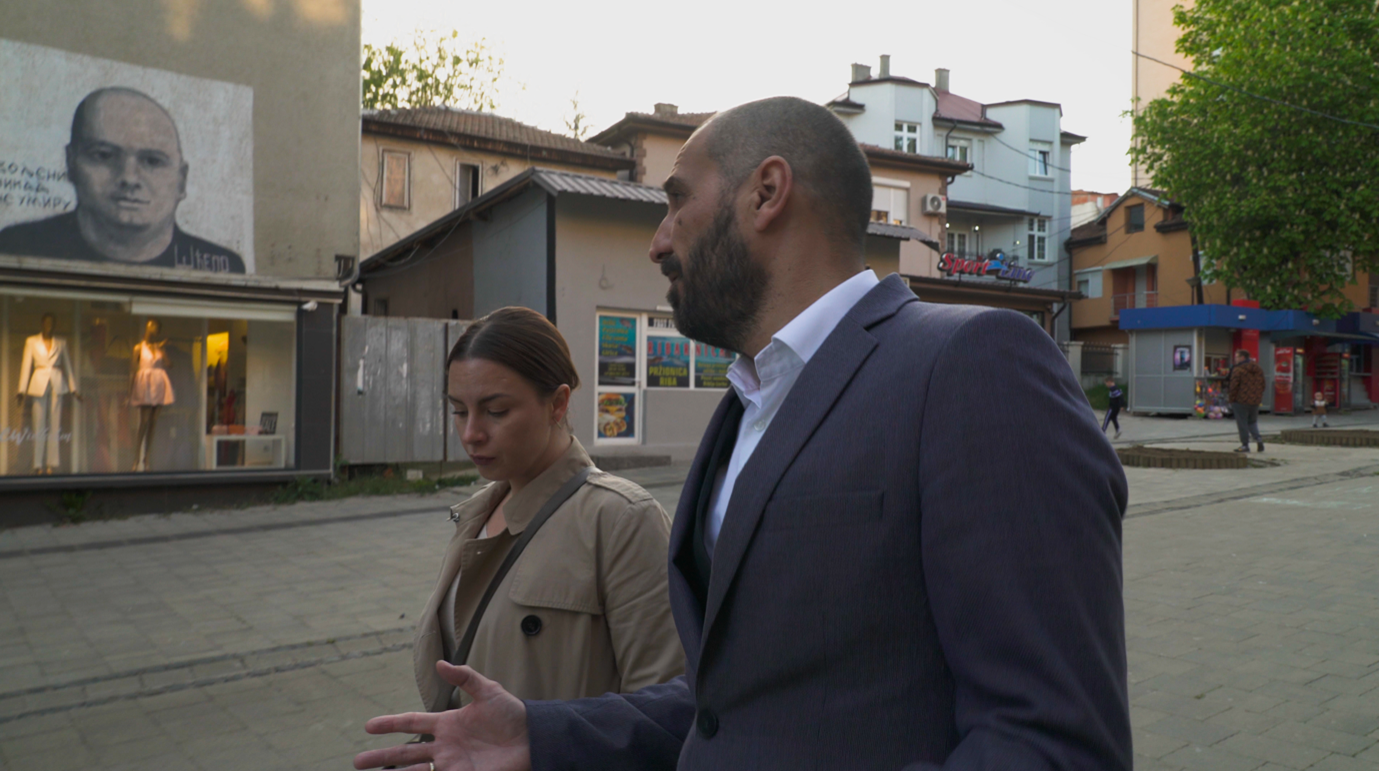
But for Visar, the core of the issue is the story that’s being told about the Municipal Association, rather than the Association itself.
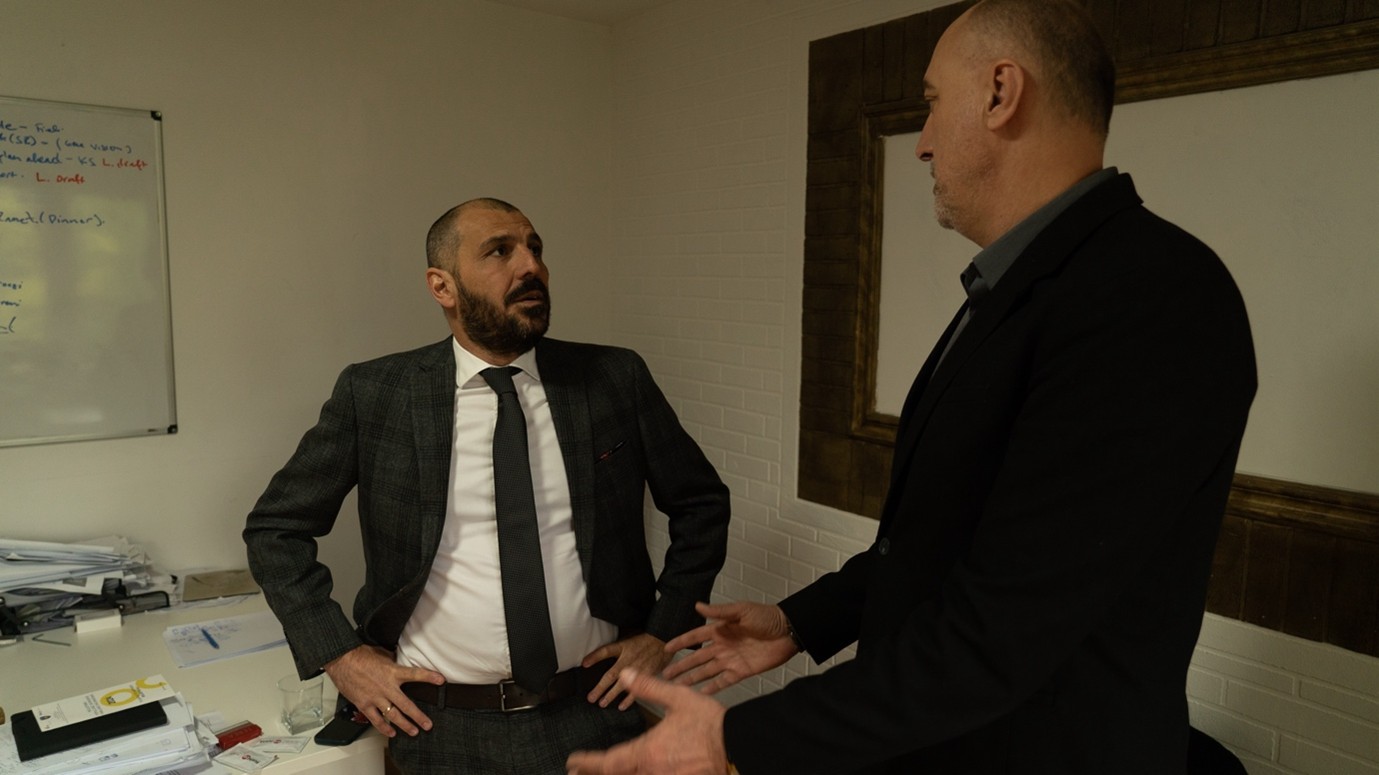
To be quite honest, this is not an issue with the citizens of Kosovo. I mean, the association is not going to be visible. Nobody from Prishtina ever travels to Leposavić. Have you ever met somebody that just went to Leposavić to have a coffee? Never. It was made as a big fuss by Vetevendosje [Kurti’s political party] mostly but also by a part of the media and civil society – in 2013 and 2015 there was a lot of misinformation about the Association.”
Rhetoric born out of political positioning as much as from ideology is doing nothing to help the region turn over a new page.
No wonder Senad and others are frustrated. The more civil society becomes fragmented, the more fear takes over, and the more susceptible people are to populist and nationalist rhetoric. And the more the Kosovar state becomes isolated from the international community which historically supported and protected it, the more it feels that it has to adopt a defensive posture against Serbia. What is needed, is a gradual reconnect of the various layers, for people to regain a sense of confidence in their wellbeing as a citizen of a democratic society.
A Pragmatic Approach
With the help of Senad’s local expertise and the Institute’s vast network of contacts at both the track II and track I level, the Institute was able to design an intervention which quickly went to the heart of the political impasse. As with so many other European Institute of Peace programs, a pragmatic approach with an early focus on the issue of the Association of Serb-majority Municipalities was key. In turn that engagement could serve as the point of entry to eventually tackle the political blockage.
Despite almost a decade of rhetoric at all levels about moving forward with the Association, there was still no practical proposal on the table which would allow the government and the international community to make progress. The first task the European Institute of Peace gave itself was to engage with experts and community groups in civil society and understand what exactly was needed to transform the Association into a workable reality.
Throughout 2022, the Institute worked in partnership with the Friedrich Ebert Stiftung (FES) to develop an actual draft statute for the establishment of the Association, which was then submitted to the highest levels of decision-makers at the national and international level. Senad and other team members consulted with track II and other key actors and platforms, to draft a tangible proposal that would satisfy all parties.
The goal was to demonstrate how an association could work in full compliance with Kosovo law, and at the same time, make a substantial offer to the encompassed Kosovo Serb-majority municipalities. One of the key issues was the widespread doubt and confusion about whether the creation of such a municipal association would be constitutional according to Kosovo law. Understanding this concern, the EIP worked intimately with a constitutional lawyer to ensure that all potential conflicts were addressed and mitigated, so that they would leave no chance for the government or other actors to find pretexts as to why it could not be implemented.
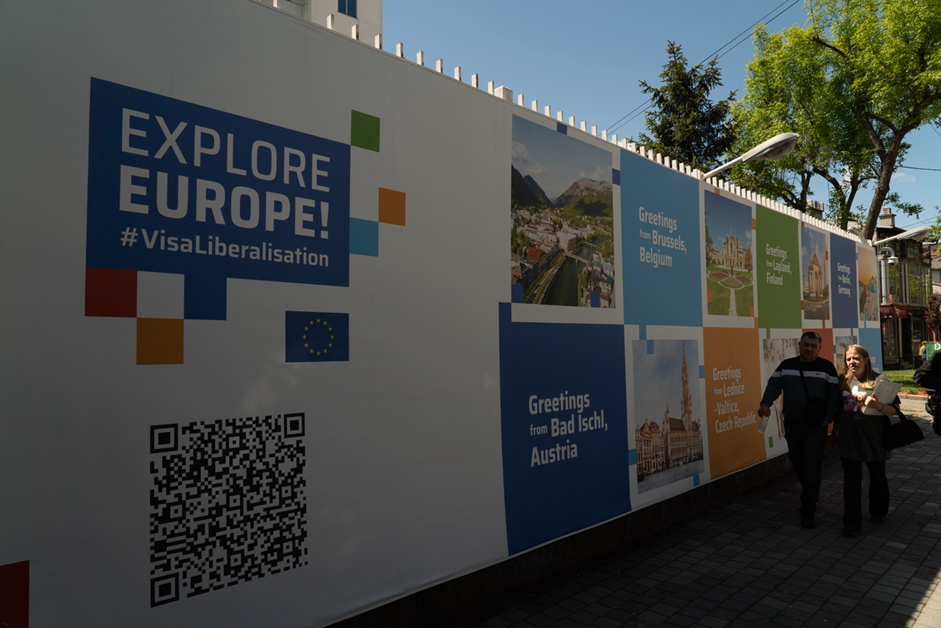
The EU had consistently pushed Kosovo to resolve the issue of the Serb-majority Association. But without a concrete draft statute, the process could not move forward, plagued by doubts about its constitutional legality. While only one factor in a series of diplomatic steps still underway, the consolidated draft arrived at the right time to dispel the central Association myths. And it coincided with Brussels pushing a Franco-German, comprehensive proposal that prominently included provisions demanding the establishment of the Association. The subsequent EU proposal for the Association, submitted to the parties in October 2023 under an initiative largely led by France and Germany, drew substantially on the European Institute of Peace/FES document.
The next task was to consult with local stakeholders, including civil society, to pre-empt political fearmongering, and here again the Institute’s connections not only to track I actors, but also to civil society, were of crucial importance. Though falling short of the full adoption that was hoped for, Kosovo Prime Minister Albin Kurti for the first time publicly expressed a willingness to seriously re-open the issue, following the submission of the draft statute. Later, in the context of Kosovo’s application for the Council of Europe in spring 2024, the Kurti government expressed its appreciation of the proposed statute. There are no quick wins in the work of conflict resolution, but this was certainly a big step forward after almost a decade of political deadlock.
The ball is now in the government’s court. As of April 2024, the Parliamentary Assembly of the Council of Europe recommended that Kosovo be invited to become a member. The final decision now rests with the Committee of Ministers, who have said that membership would be contingent upon Kosovo fulfilling its commitment to initiate the Association process. It’s certainly not the end of the story by any means, and what happens next will largely depend on whether Kosovo and Serbia are able to stand by their commitments. But if they genuinely want to pursue the path to greater peace and prosperity, they can now draw on credible and pre-vetted proposals to put words into action.
United in Diversity
For some elites in Brussels or Washington, events in Kosovo may perhaps seem marginal. Conflicts in Gaza and Ukraine understandably receive far more attention. But the disputes seen here are not just about Kosovo and Serbia. They’re illustrative of so many of the conflicts we are facing today and will increasingly face in the future. The municipal association is at the cutting edge of the question as to how to blend local autonomy with national, regional and global political, social and economic modes of life.
Each layer of collective organisation is only as strong as its constitutive parts. The EU is strong only to the extent that its member states are strong. Kosovo and Serbia are strong only to the extent that their municipalities and communities are strong. And communities are strong only to the extent that the individuals within them are strong. Devolution of power, greater independence and individualism are wonderful things that can spur great creative change, but social groups must remain connected if they are to thrive in today’s world. The EU’s ‘United in Diversity’ motto is a nice ideal.
If you ask Senad, Jovana or Visar and they will tell you just how much local knowledge, sensitivity, and work it takes to put that motto into practice.
In 2024, on the occasion of the 10th Anniversary of the establishment of the European Institute of Peace, the Institute commissioned a series of articles about our work, interviewing staff members, senior advisors, and people who have worked with us in the past decade on conflict prevention and resolution in different areas of the world.
How best to communicate our work is not obvious. Discretion is often an essential ingredient to what we do, for example around dialogue and engagement with parties to conflict and their supporters. But we cannot afford not to communicate in an increasingly crowded media and public affairs environment, one in which political and public recognition is too low regarding the value and practical benefits of the work that we and our partners undertake. “What you are doing is great – why aren’t you telling more people about it?” is a typical reaction from partners that want to increase their support for us. Sharing these stories about the Institute’s work is of the ways in which we are responding to these requests.
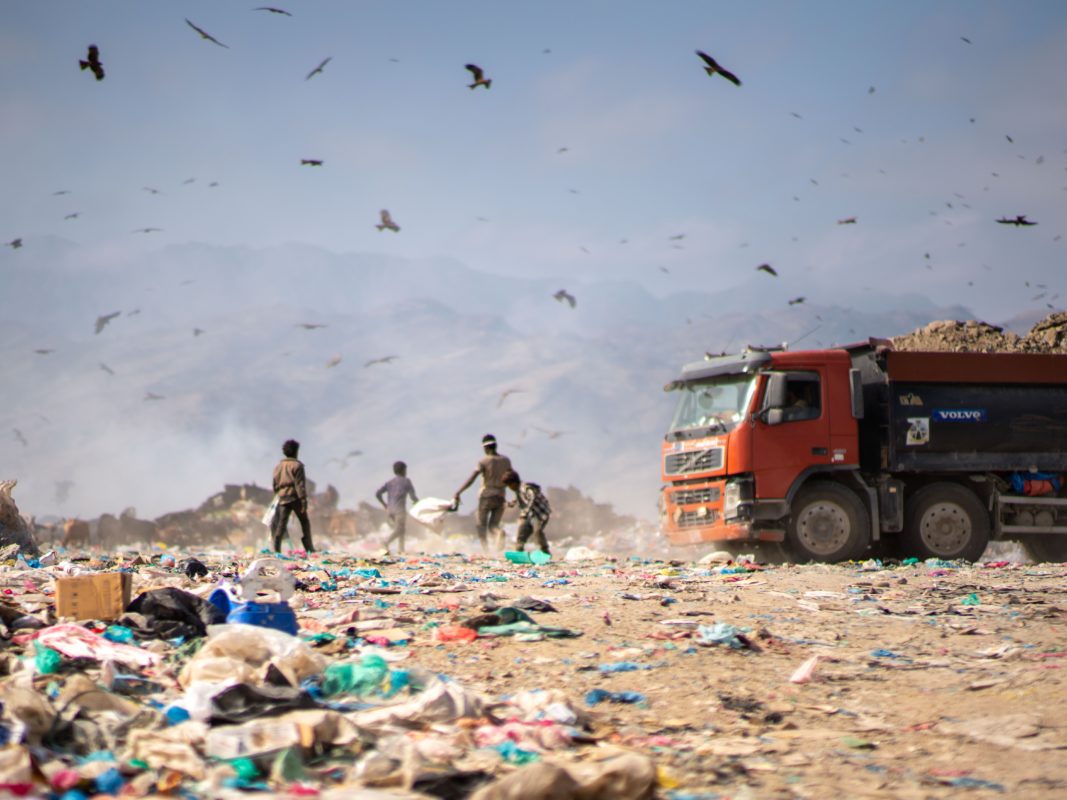
According to the International Committee of the Red Cross, of the 20 countries most affected by climate change, the majority are at war. Not only is climate change a driver of instability and conflict, but armed conflict is often a cause of environmental degradation. During the first two years of the conflict in Ukraine, carbon dioxide emissions directly related to the war stood at 175 million tonnes – more than the yearly output of the Netherlands. In Gaza, the UN Environment Programme estimates that over 100,000 cubic metres of sewage and wastewater are currently being dumped daily onto land or into the Mediterranean Sea as a result of infrastructure damage. In 2019, Europe’s military carbon footprint alone was estimated at around 24.8 million tCO2e, equivalent to the CO2 emissions of about 14 million average cars. War is waste.
Recognising both the relationship between armed conflict and climate change, in early 2019, the European Institute of Peace established a dedicated unit, the Climate and Environmental Peacemaking Programme. The Programme responds to the security and conflict risks posed by environmental challenges by engaging parties to conflict, opening new avenues for dialogue, building trust and relationships, and providing policy advice on climate and environment. It creates a space for greater civil society input by also being the bridge between populations and decision-makers, and shifting the consciousness of those in power.
The Institute has implemented bespoke projects which engage directly with the environmental aspects of conflict in the Liptako-Gourma region of West Africa, in Yemen, and Somalia. This has enabled the Institute to connect mediators to technical expertise on climate science, identifying and socialising peace dividends related to climate action, such as stability, economic growth and development. It advocates for the necessity of putting climate front and centre when it comes to peacemaking. Seeking out other partners who are equally passionate about tackling the nexus between climate and security is also a priority.
Since 2022 the European Institute of Peace has been a core member of the ‘Weathering Risk Peace Pillar’, which seeks to address climate security risks through peacemaking and peacebuilding. Together, these initiatives argue for a response to climate change that goes beyond the work of scientists, to involve others with direct experience studying and responding to climate’s relationship to conflict.
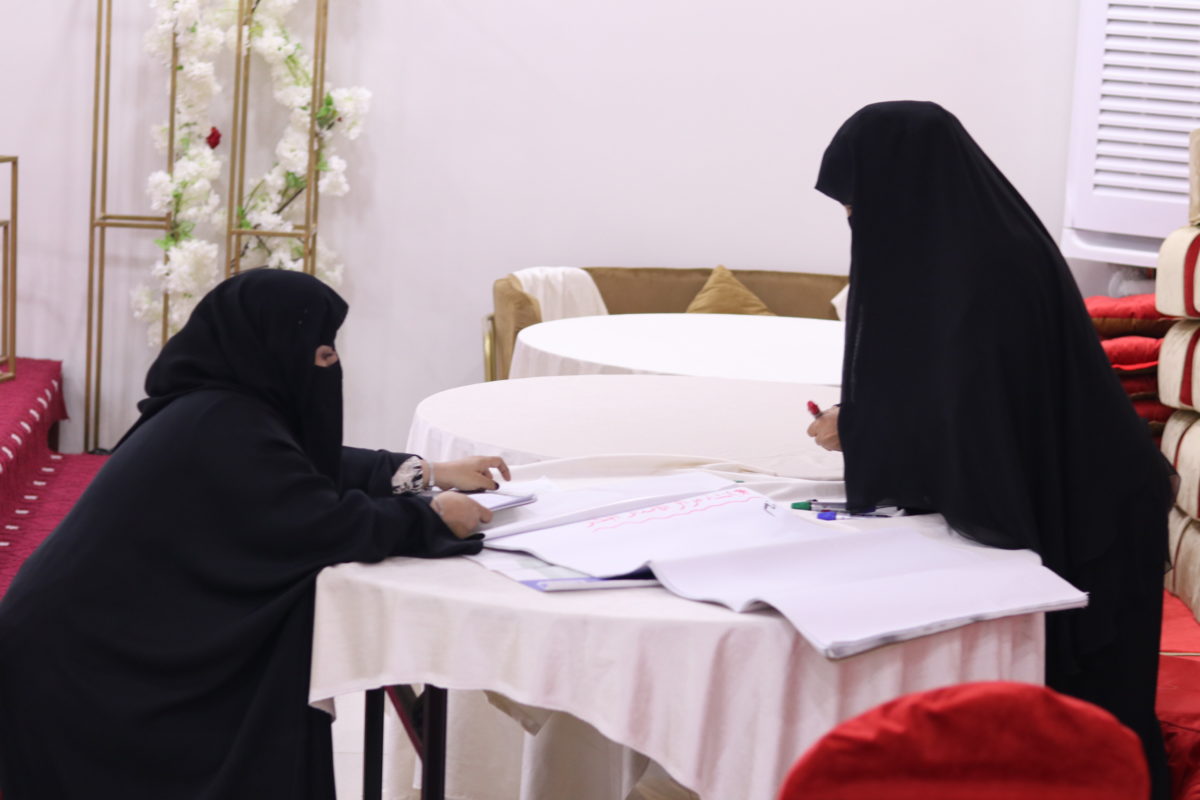
Engaging Climate Experts in Peacemaking
One of those initiatives was a complex survey that produced surprising results. The Institute’s Pathways for Reconciliation project asked nearly 16,000 Yemenis to voice their needs and priorities. This is the largest exercise of its kind ever undertaken in Yemen. The poll found that the environment ranked among the top three concerns in eight out of nine of Yemen’s governates. In four governates it was the number one concern, ranking even higher than the cessation of fighting.
In hindsight, this was not surprising. Yemen currently ranks 171 out of 182 for climate vulnerability. Over 70% of the country’s population rely directly or indirectly on agriculture. In recent years, Yemen has suffered drought, flooding, disease outbreaks, locust infestations and rising sea levels. In 2023, natural disasters forced close to 320,000 people from their homes. An estimated 19.5 million people depend on some form of humanitarian assistance at present, and many are having to resort to unsustainable well-drilling, cash crops and uncontrolled tree felling for fuel to secure their basic needs.
Capitalising on the insights gained from the Pathways for Reconciliation programme, the Institute launched a follow up initiative – the Environmental Pathways for Reconciliation.
Crowd-Sourcing Solutions to Climate and Conflict
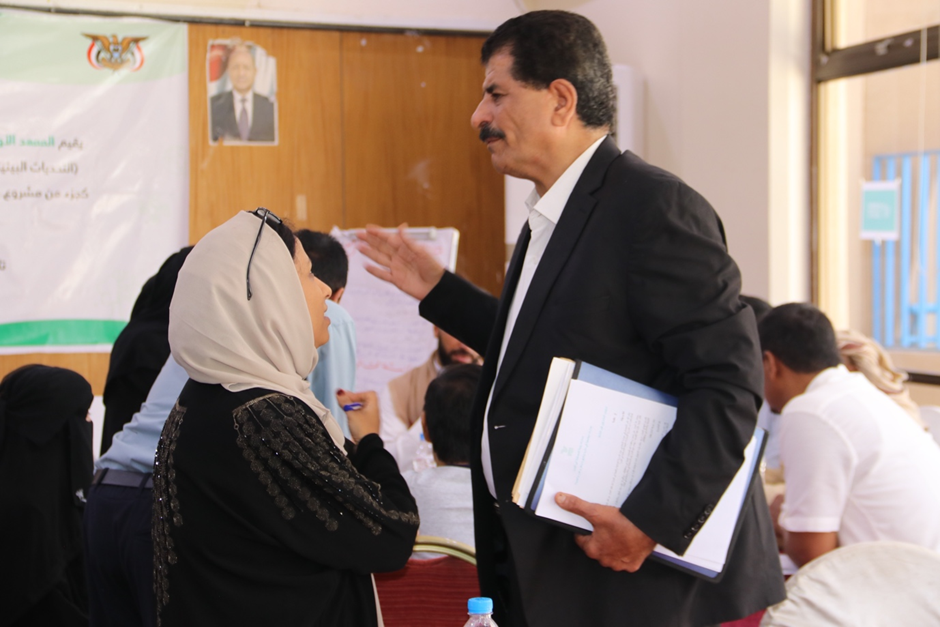
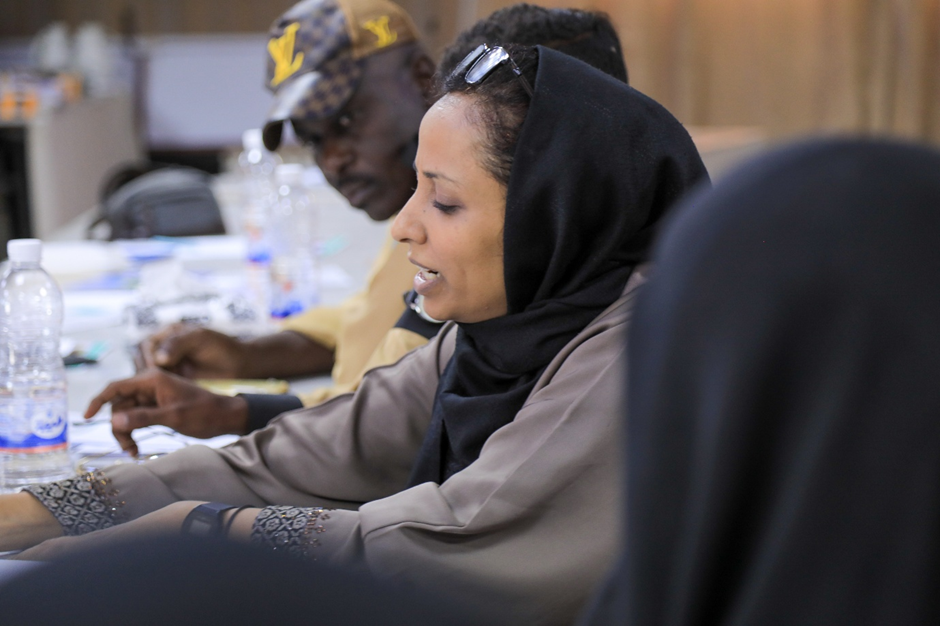
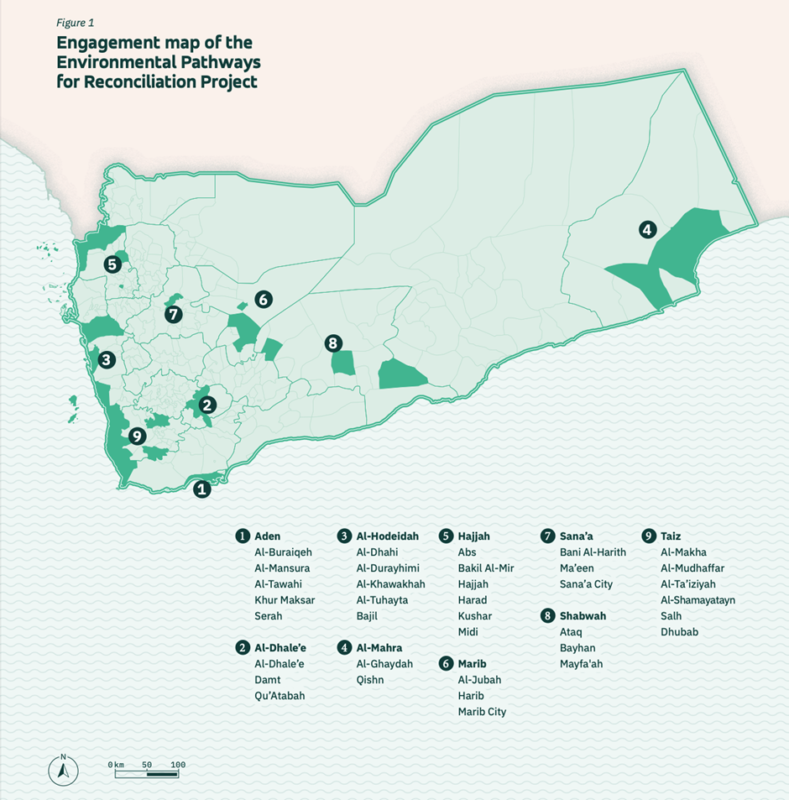
Yemeni journalist Suaad Abdullah supported a series of local consultations and dialogues on the interrelations between environmental challenges and the conflict. “When I joined the Environmental Peacemaking Programme I was afraid – how would I manage to gather all the stakeholders and different parties in one room?” she said. Travelling to sites across the country, Suaad Abdullah and her team engaged over 2,400 people across the nine governorates of Aden, Taiz, Marib, Al-Mahra, Al-Hodeidah, Shabwah, Sana’a, Al-Dhale’e, and Hajjah in a mixture of surveys, focus groups, key informant interviews, and community dialogues. The goal of Environmental Pathways for Reconciliation was to better understand and contextualise local perceptions of the challenges surrounding climate and conflict — and to identify opportunities and potential solutions.
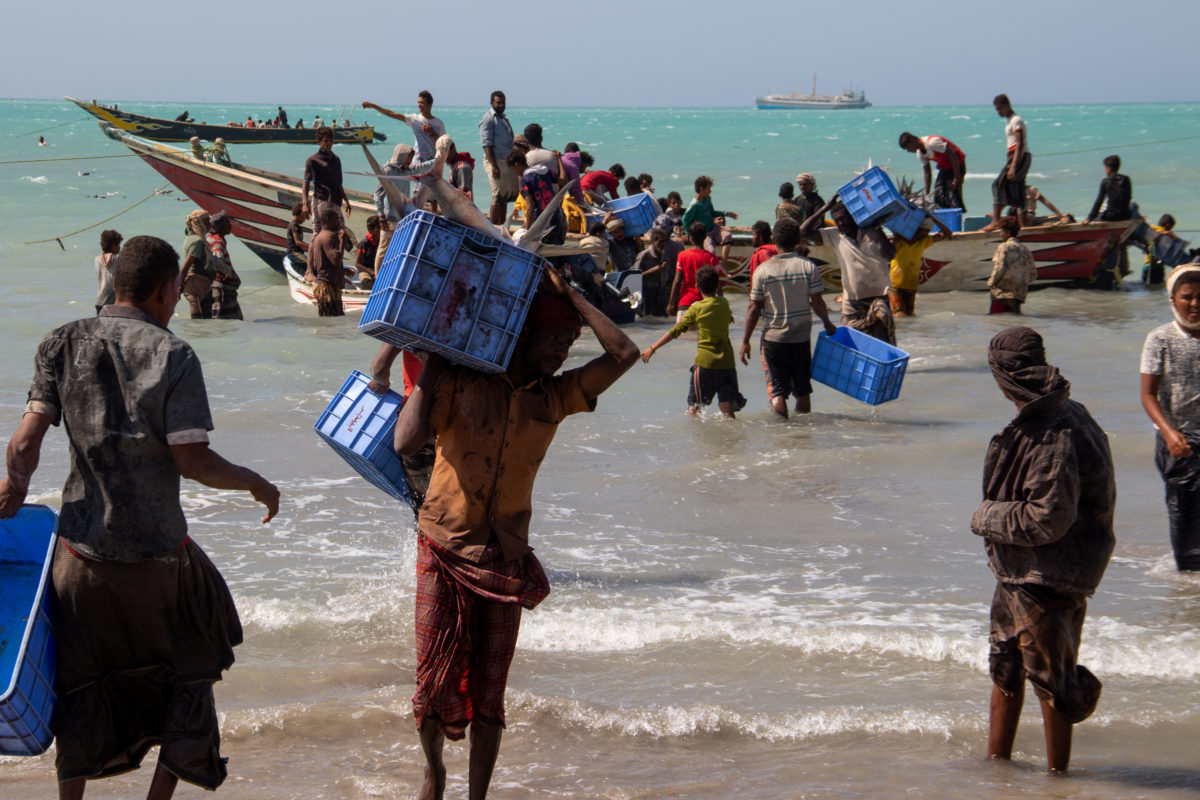
The results of the consultation confirmed how central environmental concerns were to any potential resolution of the war. 92% of respondents perceived a reduction in the availability of and access to natural resources in the past years. Critically, more than half said that they had experienced tensions or conflicts in their areas relating to environmental issues. 85% of those consulted considered it essential to address climate change in the short-term, with 60% insisting that environmental considerations be integrated into any conflict resolution in Yemen. Issues raised ranged from poor sanitation and access to clean water in IDP camps and informal settlements, desertification, flooding and droughts, and the decimation of local fishing.
While the initiative focused on Yemen’s general population, it was critical to not exclude decision-makers and local power holders in the dialogues. Suaad Abdullah says that it wasn’t always easy to convince local leaders to participate, but that the results when they did were often surprising and encouraging. She adds that even if local populations were acutely aware of how climate change was driving the conflict, in some cases it wasn’t always easy to get local elites to make the connection. But often she didn’t need to – communities themselves were ready and able to get the message across to local government and take advantage of rare opportunities for frank and open exchange with decision-makers. She recalls one instance in a community dialogue in Ma’rib –
“We had a real mix in the group, local sheikhs, academics, farmers. Some were confused and started arguing, asking what the connection was between climate and conflict. I wanted to reply to them, but before I could, a local farmer stood up and addressed the group. “If you don’t know about the link between the environment and peace,” he said, “it is a disaster, and you are driving conflict in this governorate.” The farmer went on to explain that years ago he was a rich man, earning 100,000 USD from his land cultivating and selling fruits and vegetables. With desertification in recent years his earnings were reduced to 20,000 USD. “What of someone who was already poor, what will they do, to whom will they turn?” he asked. At that moment I saw that the group understood, and even started to give their own similar examples – local conflicts over access to wells, all sorts of things. I understood then the power of these meetings.”
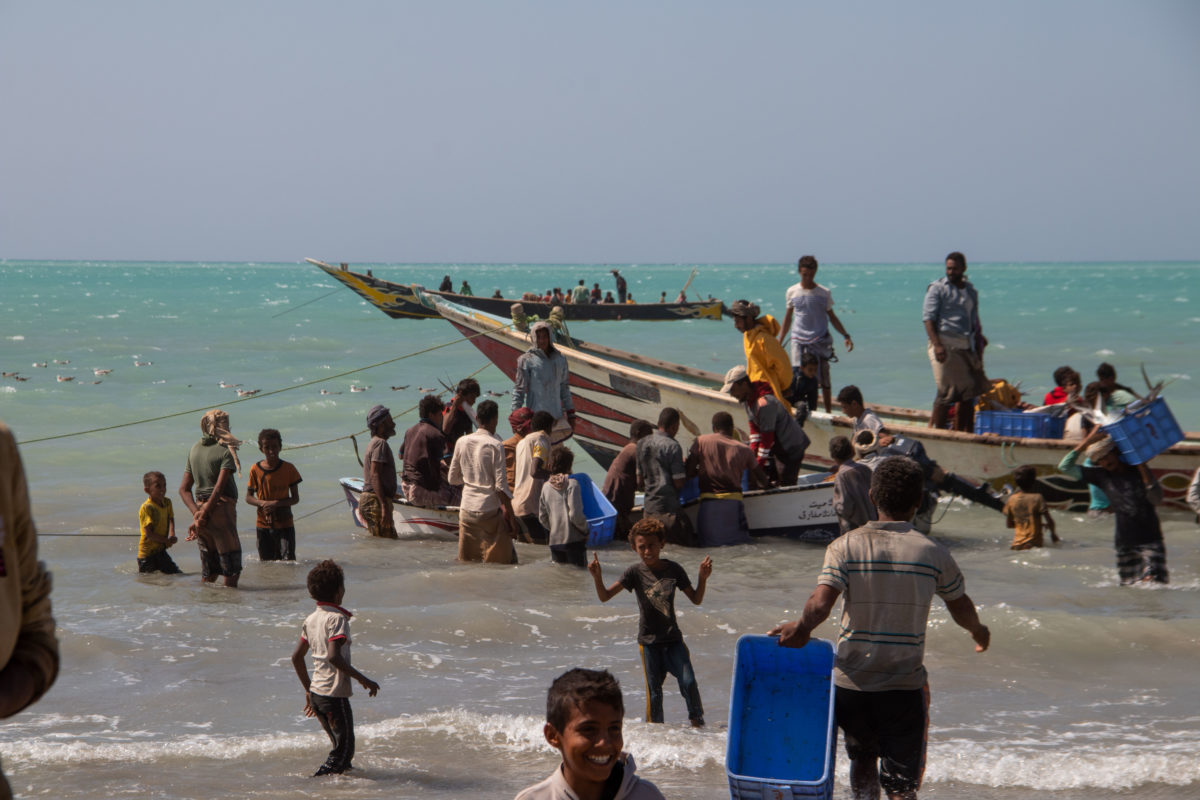
Local NGOs, tribal mediators, traditional elders and minorities were all able to take advantage of the shared space to connect and share resources, knowledge and contacts to help stimulate efforts to find solutions to shared environmental problems.
In Yemen, societal fragmentation and state collapse mean that environmental governance is virtually non-existent. “When it comes to preparations and capacity to manage the environment at the local and national level, for sure we are at zero,” Suaad says. In that context, instead of demanding for improved environmental governance as a precursor to sustainable peace, Environmental Pathways for Reconciliation works from the ground up, engaging the people most directly affected by the conflict and the environmental crises. After consultations across the country to understand the issues from a local perspective, the project continues its engagements at the governance level, to map solutions, connect these ideas to funding, and implement them on the ground.
It’s still early in the process, and there’s much work to be done, but already ideas are starting to surface: the use of clean fuel for cooking, green belts to fight desertification, local committees to mediate climate-related disputes, early warning systems, and the use of solar energy as an alternative to diesel and gas. The energy and passion is there, the challenge is only to direct and coordinate the huge potential of the collective intelligence of the Yemeni people. When organisations like the Institute are able to hold the space for local actors to come together and dialogue in a structured way, the possibilities are endless.
“In Al Mahrah, our commitment to protecting the environment, our people, and the sea knows no bounds. We stand ready to make sacrifices and take decisive action to safeguard our precious natural resources. But we recognize that we cannot do it alone. United as men and women committed to the betterment and safeguarding of our region, we stand ready to face the challenges ahead and forge a brighter future for Al Mahrah and its inhabitants.”
Radhwan Mohammed Saeed, a local fisherman from Al-Mahrah and participant in the Environmental Pathways for Reconciliation community dialogues.
Credits: Nazeh Mohammed, EIP 2023
Crossing the Gulf: Getting the Message to Power
The consultation in Yemen showed that while local communities may be experts on issues in their own regions, they don’t always possess the bigger picture at the broader level. Pushing for climate analysis when it comes to conflict resolution also means engaging institutions and governments.
Across the Gulf of Aden from Yemen, in Somalia, the Institute has been able to achieve notable progress in bringing climate change to the centre of the debate around peacemaking.
As in Yemen, Somalia grapples with the devastating impact of drought, flooding, desertification, biodiversity loss, sea level rises and extreme temperatures. These issues have wreaked havoc on Somali society and added further layers of complexity to local conflicts, giving rise to resource scarcity and competition, displacement and migration, livelihood disruption and humanitarian crises. In many cases these issues have made communities increasingly susceptible to recruitment by armed groups such as Al-Shabaab, clan militias, Ahlu Sunna Wa Al-Jama’a, and others.
Before the Institute began directly engaging with officials in Mogadishu, local government did not treat environmental issues as important conflict drivers. Three years ago, the programme responsible for climate issues was limited to a small desk in the prime minister’s office. Lack of coordination and at times competition between Somalia’s federal states meant that comprehensive approaches to climate were often complicated and stalled.
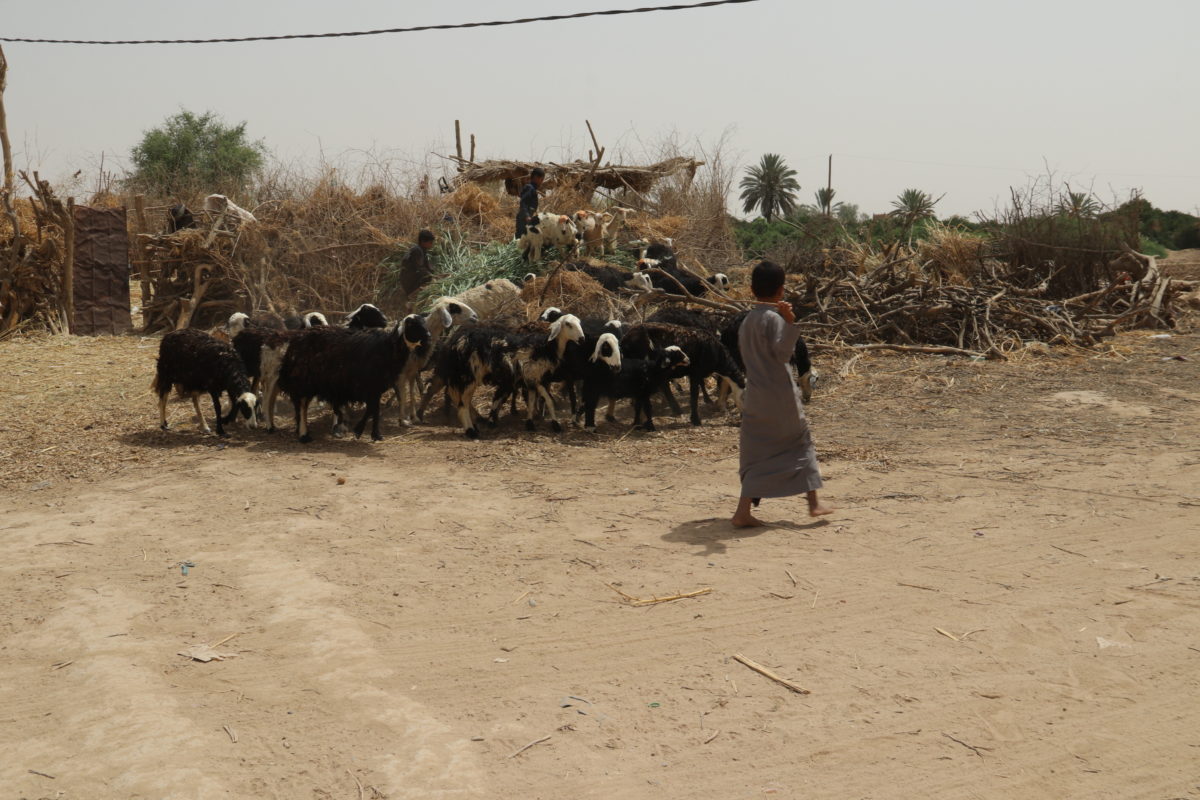
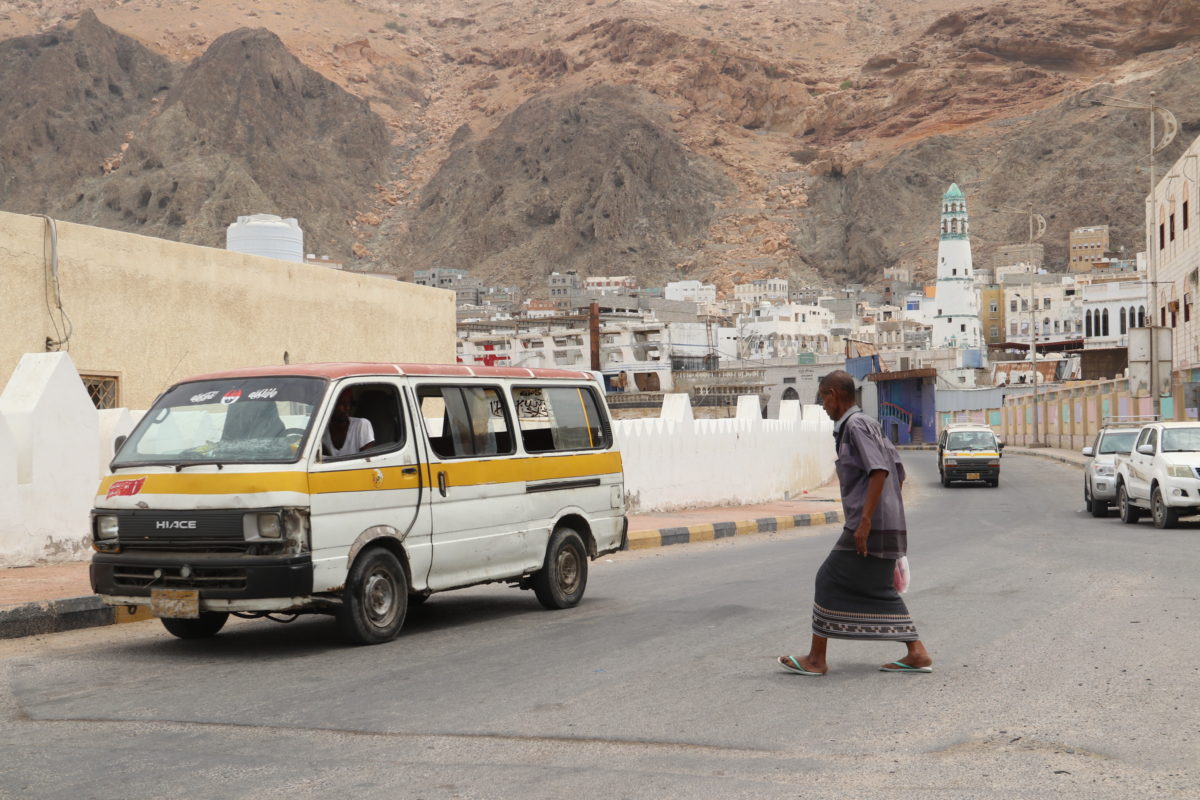
Engaging with governments on environmental matters
The process took time. Sensitising ministers about how to better engage on climate and conflict isn’t just about dealing with a lack of will or capacity. We are all collectively learning how to understand and tackle climate concerns today, and in many cases governments are also learning to adapt and require inputs not only from civil society, but also knowledge from other governments and international bodies.
With the support of the Federal Ministry of Environment and Climate Change of Somalia, the Institute facilitated three Cross-Ministerial Workshops. The workshops demonstrated the value of convening multiple governmental actors to discuss technical environmental matters, such as climate finance and climate security, as an entry point for dialogue and trust-building that can lead to greater cooperation in a context of political and institutional disagreement.
The direct engagement, coordination, and policy support that the Institute provided to federal and state-level actors, coupled with their active involvement in environmental peacemaking activities, have significantly shaped their understanding, capacity, and attitude towards addressing environmental and climate security risks. New policies implemented by different parts of the government now recognise the importance addressing these risks in collaboration with other actors who share similar mandates, notably the reviewed Nationally Determined Contributions to the Paris Climate Agreement.
Stepping up to the Challenge
Ensuring climate change is at the heart of peacemaking also requires financial support. Climate finance to help fragile and conflict-affected states mitigate the threat is still lagging far behind what it needs to be. In the cases of Somalia and Yemen, two of the most vulnerable countries, climate finance averaged only 2 USD per capita over the period 2014-2021.The situation is improving slowly, with global climate financing estimated at 1.3 trillion USD in 2023 – double that of 2019. But that’s still only 1% of GDP dedicated to a challenge that threatens humanity with civilisational collapse.
By 2031 it’s estimated that we’ll need to be putting at least 10 trillion USD into climate adaptation if we are to get anywhere close to staving off the worst impacts of ecological collapse. Conflict is often the driver of change, and the solutions arising from the frontlines of Yemen, Somalia and other countries facing the double crisis of climate change and armed conflict may yet lead the way for us all. But we need to be there to support them.
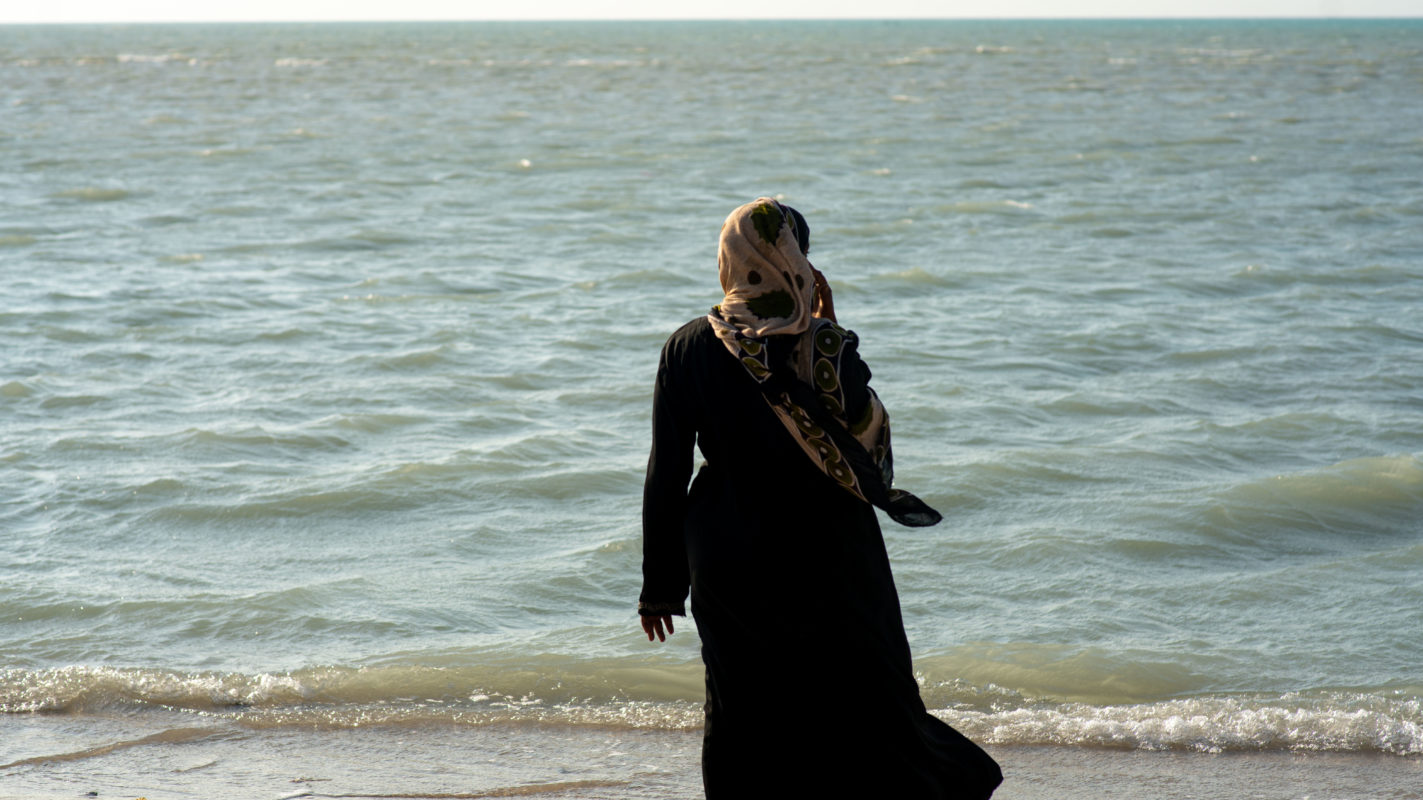
Somalia has for years been plagued by tensions and competition between Mogadishu and the regional government of Puntland to the North. Despite bitter conflict in the Galkayo Mudug region between the autonomous state of Puntland and neighbouring Galmudug state, (part of federal Somalia), severe drought in 2016 presented a rare opportunity for the two parties to cooperate. In response to the drought, authorities allowed herders from Galmudug state to bring livestock to graze deep inside Puntland territory.
Opportunities like that are rare. In this case, one was seized. It’s become a useful example of how efforts to confront climate change will now form part of any effort at peace building.
In 2024, on the occasion of the 10th Anniversary of the establishment of the European Institute of Peace, the Institute commissioned a series of articles about our work, interviewing staff members, senior advisors, and people who have worked with us in the past decade on conflict prevention and resolution in different areas of the world.
How best to communicate our work is not obvious. Discretion is often an essential ingredient to what we do, for example around dialogue and engagement with parties to conflict and their supporters. But we cannot afford not to communicate in an increasingly crowded media and public affairs environment, one in which political and public recognition is too low regarding the value and practical benefits of the work that we and our partners undertake. “What you are doing is great – why aren’t you telling more people about it?” is a typical reaction from partners that want to increase their support for us. Sharing these stories about the Institute’s work is of the ways in which we are responding to these requests.


You could be forgiven for missing the offices of the European Institute of Peace, tucked beside the Basque mission, on a quiet side street in the European district of Brussels. Only a stone’s throw from the enormous headquarters of the European Commission’s Directorate-General for International Partnerships, the organization’s modest 19th century stone building lacks the usual rows of flags and cold glass of the Commission’s office just down the hill. It cuts quite a different image. In fact, it’s not even part of the European Union. And that is sort of the point.
Officially, the European Institute of Peace is a ‘foundation’ under Belgian law. It maintains strong connections to grassroots actors on the ground, like an NGO. But it also has access to high level government circles, like an international organization. Uniquely, the Institute moves between worlds, operating in a space that includes both diplomats and social movements, armed rebels and humanitarians, scientists and artists, economists and activists.
An Idea Whose Time Had Come
In 2009 the late Martti Ahtisaari, former Finnish president and Nobel Peace Prize winner, called for the establishment of a ‘European Institute of Peace’. Foreign Ministers Alexander Stubb of Finland and Carl Bildt of Sweden took the idea a step further in 2010, submitting an informal discussion paper to Catherine Ashton, at the time High Representative of the European Union for Foreign Affairs and Security Policy. The paper captured a sentiment that traditional diplomacy, while by no means obsolete, was becoming increasingly limited in its capacity to mediate conflicts and seek out sustainable peace in today’s world. The fall of the Berlin wall may have brought the world closer together, but the globalisation of neoliberal norms which went with it also had a profound – and often disruptive – impact on how power would soon be distributed, both between and within states.
What Europe needed was a body closely connected to the EU and European states, but independent, and not bound by the bureaucratic and political constraints of Brussels. This new kind of organization would be able to engage with a broader range of state and non-state actors, both European and otherwise, through a greater variety of formal and informal means. It would bridge the gap between high-level politics and newer, less centralized and more complex ways that power moved in the world of conflict prevention and resolution.
After four years of consultations, studies and workshops — and with support from European diplomats, international organisations and conflict experts growing — on 12 May 2014 the vision finally became a reality and the European Institute of Peace was officially launched by the foreign ministers of its nine founding board members: Belgium, Finland, Hungary, Italy, Luxembourg, Poland, Spain, Sweden and Switzerland. The Institute was to be a centre of excellence in the understanding and praxis of conflict prevention and resolution, designing and engaging actively in peace dialogues, training mediators, and providing support to peacemaking efforts around the world. Not only would it assist conflicting parties outside Europe to find common ground, it would also serve as a bridge between Europe and the world, to share experiences, listen and learn.
It wouldn’t be easy. Around the time of the European Institute of Peace’s inauguration, Boko Haram kidnapped 100 schoolgirls in Nigeria, deadly clashes with ISIS rocked in Iraq, and pro-Russian separatists declared the independence of Donetsk and Luhansk in eastern Ukraine.
Different Vibes for Different Tribes
In a way, the somewhat austere, neoclassical stone exterior of the Institute offices is an apt metaphor for the way the organisation presents itself to official Brussels. It’s formal when necessary and versed in the diplomatic etiquette needed to ensure messages from the ground are heard at the top. That’s what the media might imagine conflict mediators do most of the time. But the Institute does much more than that: one of its unique strengths is the ability to interact with all kinds of actors on the ground, from marginalised communities to armed groups, from citizens’ movements to heads of government.
With the average age of staff a youthful 32, the European Institute of Peace’s office feels more like a technology start-up than a diplomatic organization. An entrepreneurial spirit has been part of the culture since the beginning. Staff were encouraged to experiment, be imaginative, and take risks in the pursuit of peace. Growing from a handful of Brussels-based staff, the Institute now has a permanent team of approximately 50 full-time personnel. They in turn support a global network of over 100 experts, advisors and local partners working in more than 20 conflict-affected regions over the past ten years.
Geopolitics headed in a worrisome direction during that first decade. The writing may have been already on the wall in 2014: that we were entering a period of significant upheaval, more challenging than we could have imagined.
Brave New World
Standing at his desk trying to somehow make sense of the mosaic of coloured blocks that is his weekly meeting agenda, Michael Keating lets out a heavy sigh. It’s not just his dismay at his unending list of meetings with donors, diplomats, researchers, journalists, and civil society groups trying to navigate conflicts everywhere from Kyiv to Kinshasa. That’s nothing new for a man whose professional trajectory has included everything from finance to documentary film production to UN deployments: Afghanistan, Malawi, Israel, Palestine, New York, Geneva, Pakistan and Somalia, where he was Special Representative of the Secretary-General. He joined the Institute as Executive Director in late 2018.
Rather, his frustration is more at what he perceives to be uncertain political will to invest in peace and the shrinking space for organisations like the European Institute of Peace to operate. He can struggle to contain his exasperation when he looks out at what he sees as a world turning its back on dialogue and comprehensive approaches to conflict resolution in favour of hard security, defence, physical borders, inadequate humanitarian interventions, zero-sum politics and quick wins.
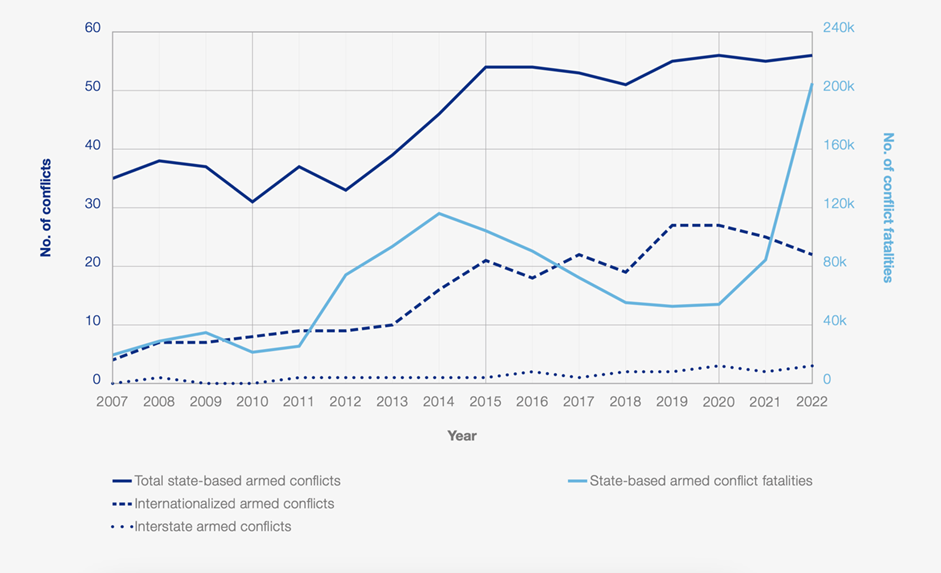
Active conflicts are at their highest levels in decades, and after a slow decline in the last 20 years, conflict-related deaths are dramatically increasing, not least as a result of the wars in Ukraine, the Middle East and Sudan. At the same time, the authority of the intergovernmental institutions set up to prevent and resolve wars has significantly diminished.
We might even look back with envy at the world when populism, social-media fuelled polarisation, AI, cyber-attacks, misinformation, disinformation and deep-fakes were not the pervasive problems they are today. A world less fragmented by armed, non-state groups, and where a full-scale land invasion of Europe’s eastern borders was still relatively unthinkable. Where there was respect for rules-based norms of international relations. Observers now speak of a ‘geopolitical recession’, where the “playbook for international relations, diplomacy and political good manners is being re-written”. For Europe, these challenges have increasingly played out at home.
Investing in Peace in Times of Conflict
As the world shuns multifaceted dialogue in favour of realpolitik and defence spending, the political will to invest in sustainable peace, and to support organisations like the European Institute of Peace, diminishes. Governments pour billions into defence spending but are disinclined to invest a fraction of that money for far less risky business of authentic dialogue and mediation. The reasons vary but often come down to “it’s not a priority” and “it’s just not realistic”. And when they do fund such work, they often want to see tangible or even immediate results, and conflict resolution can be a very slow process. How can you establish trust and build real relationships with partners on the ground when you may need to pull the plug on dialogue processes before they reach a sustainable conclusion?
The Institute’s level of unrestricted funding has gone from 46% of its total in 2015 to just 15% today. This reflects success in crafting and projects but limits its scope to take initiative, respond to crises and catalyse larger efforts to prevent and resolve violent conflict. Constantly running programmes on a short-term, hand to mouth, project by project basis is simply not sustainable, for either the Institute and its peer organisations, for conflict affected populations, and for donors that demand sustainable results.
The temptation is to market activities not on the grounds of resolving grievances, but rather because they could serve a particular political end, such as controlling immigration, counter terrorism, accessing resources or securing international shipping lanes. These objectives are politically compelling but when they displace the goal of advancing and securing sustainable peace as an end in itself, the result is an approach that is ineffective at achieving its intended political aims – and that is morally questionable in the way it instrumentalises human relations. There is a need to make the case for reversing this relationship, that politics can serve peacemaking, not the other way around.
The European Institute of Peace is uniquely placed to step in and provide practical support to a variety of actors to prevent and resolve violent conflict – and in particular to support the European Union to fulfil its core mission to promote the rule of law and lasting peace in an increasingly geopolitical and contested environment. To do so, it needs predictable and long-term support to do what it was designed to do and to fulfill the founding vision.
In conflict resolution, the odds are rarely in your favour. But sometimes it’s when the odds are stacked against you that pushing for peace is most important. The risks of doing nothing are simply too great, and relationships built and maintained at the darkest moments repeatedly prove their value when circumstances create the possibility, gradually or suddenly, of political progress. What is unrealistic is not so much investing adequately and consistently in the painstaking business of peacemaking. Rather, it is to expect political breakthroughs or peaceful and secure outcomes if we are not prepared to make that investment.
This analysis assesses both the short and long-term impacts of environment- and climate-related security risks in the Newly Liberated Areas (NLA) of Somalia in Hirshabelle and Galmudug. The analysis had the objectives of (1) understanding the pathways in which environmental and climate risks can affect conflict better and (2) developing actionable recommendations for environmental peacemaking and peacebuilding in these states of Somalia.
This integrated climate and conflict analysis employed a methodology based on the conflict analysis guidance from the European External Action Service (EEAS) and the climate security guidance developed by the United Nations Environment Programme (UNEP).
The integrated analysis reveals linkages between climate risks and the underlying conflict drivers in the Newly Liberated Areas of Hirshabelle and Galmudug. While climate change should not be considered a direct root cause of conflict, climate-induced impacts such as prolonged droughts, erratic rainfall, flooding, and other extreme weather events exacerbate resource scarcity, disrupt livelihoods, and heighten competition among communities over diminishing natural resources, primarily land, water, and pastures for livestock grazing and agriculture. These socioeconomic impacts affect all parties to conflicts in the NLA, contributing to unrest and violence even after Al-Shabaab’s departure. As climate and security risks collide in the NLA, they generate additional challenges to building lasting peace between communities and opportunities to foster cohesion and strengthen state presence.
For environmental peacemaking initiatives to effectively address climate security risks and contribute to lasting peace in the NLA, it is crucial to implement comprehensive strategies that focus on immediate conflict resolution and relief and long-term resilience and reconciliation. Initiatives enhancing access and sustainable resource management and incorporating robust dispute resolution mechanisms offer promising avenues for building trust and cohesion. These efforts should be supported by coherent cross-sectoral institutional frameworks and active participation from local communities, development and humanitarian stakeholders to ensure their effectiveness and sustainability.
Building on these strategies, it is essential to identify key areas where climate and security risks intersect and to enhance dialogue among development, humanitarian, and government stakeholders. To facilitate this process, the European Institute of Peace’s report illustrates the climate-conflict nexus through four key pathways designed to pinpoint areas where collaboration can yield cross-cutting climate resilience and peace benefits. While these pathways alone cannot fully encapsulate the complex interrelations between climate, environment, and conflict in the Newly Liberated Areas of Somalia, they effectively highlight how climate risks compound socioeconomic vulnerabilities, intercommunal tensions, and historical grievances, amplifying the risk of conflict.
Based on the findings of the analysis, a set of recommendations are proposed in the report to inform and support institutional actors and partners to develop and implement policy and programme initiatives providing dual benefits in promoting peace and enhancing resilience to climate change. Altogether, the analysis underscores that environmental peacemaking approaches are pivotal for fostering sustainable peace, security, and resilience in the fragile NLA of Somalia.
Project context
This Integrated Climate and Conflict Analysis of the Newly Liberated Areas of Hirshabelle and Galmudug is part of the “Environmental Peacemaking Project in Somalia” led by the European Institute of Peace with support from the Ministry of Environment and Climate Change (MOECC) of the Federal Republic of Somalia and funded by the Norwegian Ministry of Foreign Affairs. From August 2023 to March 2024, the Institute conducted an integrated climate and conflict analysis in the Newly Liberated Areas of Somalia, which is described in this report.
By Edoardo Camilli
When we talk about integrating technology with the human dimension of peacebuilding and conflict, it’s important to recognise that the current generation experiences conflict differently from previous ones. This is not only due to technological advancements but also because the dynamics of conflicts themselves have changed. We now see the emergence of new actors and different forms of disinformation. Young people are often the first victims of these conflicts but also the first to take to the streets, creating activist movements and demanding peace from their governments.
The conflict in Ukraine illustrates how dynamic and hybrid modern conflicts can be. Understanding these conflicts deeply and leveraging technology to do so is crucial. Artificial intelligence (AI) and large language models can assist analysts by collecting and analysing data more efficiently, providing policymakers with better insights at tactical and strategic levels, and understanding the narratives driving the conflicts.
However, while AI and technology are useful, they also pose significant risks, such as the spread of disinformation. A notable example is the incident in June 2022, when the mayors of Berlin, Madrid, and Vienna had separate video calls with someone they believed to be the mayor of Kyiv, Vitali Klitschko. It took the mayor of Berlin 15 minutes to realise she was speaking to a deep fake. Following the incident, the office of Berlin’s Mayor, Franziska Giffey, released a statement saying that: “There were no signs that the video conference call wasn’t being held with a real person,”. This incident highlights the ease with which technology can be used to deceive and influence narratives, affecting conflict resolution processes.
There is no single solution to prevent the spread of hate speech and disinformation. It requires a multifaceted approach, including legal measures, technological developments, and, most importantly, education in critical thinking. Social media providers must step up to provide censorship where necessary, and AI can help flag content for review by human fact-checkers. But the most crucial component is education. People must learn to use media responsibly, verify information, understand the agenda behind it, and distinguish between what is real and what is fake.
For instance, AI currently struggles with accurately reproducing human hands. If you see an AI-generated image where the hands are blurred or have an unusual number of fingers, it’s a sign that something is off. Understanding these details helps in identifying fake content.
The future of AI is uncertain. Even the most advanced developers in Silicon Valley express concerns about AI’s capabilities and where it might lead. The rapid advancements in large language models, robotics, and autonomous weapons are creating a landscape where the implications are not fully understood.
Initiatives like the European AI Act are crucial but also create a global divide. Countries with stringent regulations might fall behind in certain technological capabilities compared to those without such regulations. This competition complicates efforts in conflict resolution and understanding.
In these dark times, it requires concerted efforts from politicians, tech experts, and civil society to navigate these challenges. Educating the public about how AI works, its biases, and its potential for discrimination is essential. For example, AI used in HR could exclude people of colour if the training data is biased toward white Americans or Europeans.
Transparency in AI development and data usage is vital to ensure it helps us find better solutions.
Integrating technology with the human dimension of peacebuilding is complex but necessary. It demands a balanced approach, combining legal, technological, and educational strategies to manage the risks and leverage the benefits of AI and other technologies in promoting peace and resolving conflicts.
Edoardo Camilli is CEO and Co-Founder, Horizon Intelligence (Hozint) and Friends of Europe’s European Young Leader (EYL40)
By Edita Velic
Coming from the Western Balkans, particularly Bosnia and Herzegovina, I witness first-hand the daily struggles of a region where war wounds are still fresh and conflict remains a constant threat. Hatred, often fuelled by politicians, permeates our society. A critical question we must address is the accountability of those in power—politicians and opinion leaders whose voices shape public perception. Without accountable leadership, achieving lasting peace remains a distant dream.
In Bosnia and Herzegovina, the Dayton Peace Agreement will celebrate its 30th anniversary next year. Despite this milestone, true peace remains elusive, and recent events have reignited old tensions. The recent UN resolution on genocide, for instance, has sparked new arguments within my country and the region. This underscores a fundamental truth: peace cannot flourish without leaders committed to accountability and reconciliation.
Young people bear the burden of past generations’ conflicts, yet they also carry the potential for change. Within the Western Balkans, young political leaders from various backgrounds cooperate daily, demonstrating that collaboration is possible despite the divisive rhetoric of senior politicians. Historical examples show that significant progress can be made when leaders take responsibility for transforming conflict into cooperation. The European Union, born from the devastation of World War II, stands as a testament to this potential. It is a beacon of diversity and peace, illustrating how former enemies can become allies.
We must honour and learn from those who have suffered the most, like the mothers of Srebrenica. Despite losing their families, they continue to advocate for peace, refusing to perpetuate hatred. Their example is a powerful reminder that reconciliation is possible and that future generations must build on their legacy of peace.
One initiative that highlights the potential of youth in peacebuilding is the Youth Council of the Federation of Bosnia and Herzegovina, organised by the Regional Cooperation Council. Young people involved in this project have raised critical issues, such as mental health, affected by the daily narratives of conflict and division. Acknowledging these issues is the first step towards creating a healthier, more peaceful society.
Change is happening, albeit slowly. Some areas are experiencing fewer overt conflicts, though tension remains in others. It is crucial to recognise and address these dynamics, ensuring that progress is not undone by new provocations. Imposing laws, such as those criminalising genocide denial, though controversial, have contributed to this progress. These measures, while imperfect, are steps towards ensuring accountability and promoting reconciliation.
Civil society plays a vital role in this transformation. Educational reforms are essential, particularly in a country where curricula differ drastically between entities. In some areas, war criminals are taught as heroes, perpetuating division and conflict. To build a peaceful future, young people need education that fosters understanding and reconciliation, not one that glorifies past atrocities.
Achieving lasting peace in the Western Balkans requires accountable leadership and the active participation of youth. We must draw on historical lessons and honour those who have suffered, using their experiences to guide our path forward. By promoting intergenerational dialogue, educational reform, and the active involvement of young leaders, we can transform the region from one of conflict to one of lasting peace. The journey is challenging, but with commitment and cooperation, it is within our reach.
Edita Velić is a youth activist and former chairperson of the Assembly of Bosnian-Podrinje Canton Goražde
By Cristina Gallach
To ensure that the European Union (EU) can effectively contribute to peacebuilding and peacemaking for future generations, several critical steps must be taken. These include the inclusion of women, the active involvement of youth, and adequate funding for multilateral efforts. Additionally, a more coherent approach to conflict prevention, conflict management, and peacebuilding is essential.
First and foremost, the absence of women in peacebuilding processes must be addressed. Women bring unique perspectives to the table, often focusing on those most impacted by conflicts, such as children and other vulnerable groups. Without their input, resolutions are incomplete and less effective. Women think differently about issues like war and famine, and their insights are crucial for comprehensive solutions.
The EU’s current foreign and security policy, including its Women, Peace, and Security (WPS) agenda, has been notably weak. This needs to change. Next year marks the 30th anniversary of the Beijing Declaration, which affirmed that women’s rights are human rights and laid the foundation for the WPS agenda. This anniversary presents an opportunity to strengthen the WPS agenda and integrate it more effectively into the EU’s policies.
Another significant event next year is the major conference on Financing for Development. This conference will address how the Global North finances the Global South, providing a crucial opportunity to link peacebuilding with development. Financing development in the Global South can create better opportunities for peace by addressing some of the root causes of conflict.
Multilateralism also requires substantial funding. Effective multilateral efforts are underfunded, which hampers their ability to manage and prevent conflicts. The EU has a responsibility to ensure that multilateral initiatives receive the necessary financial support to make a meaningful impact.
Furthermore, coherence in the EU’s approach to conflict is vital. The EU must adopt a consistent strategy across different conflicts, considering the perspectives of various groups affected by violence. For example, the experiences of the mothers of Ukraine, Srebrenica, and Gaza highlight the need for a more unified and compassionate approach to conflict resolution.
The organisation I represent has launched a campaign called “Madame Secretary-General,” advocating for a woman to lead the United Nations after nine consecutive male secretaries-general. Bringing women into key decision-making positions can significantly alter the dynamics of conflict resolution. For instance, women’s participation in the Colombian peace negotiations was pivotal. In contrast, the Dayton Peace Agreement, which marked the end of the Bosnian War, made no reference to women or gender-based violence, resulting in a lack of comprehensive strategies to address these critical issues.
In addition to including women, it is essential to listen to young people. Youth often have fresh ideas and innovative solutions, yet they are frequently unheard. The EU must engage with young people and take their contributions seriously. Moreover, ensuring adequate funding for multilateralism is crucial for the success of peacebuilding efforts.
Taking action is more important than mere messaging. While social media campaigns can raise awareness, they often lack the depth and effectiveness needed for real change. However, social media can be used strategically, such as implementing digital ceasefires in conflict zones where online narratives exacerbate local tensions. The European Institute of Peace could explore these innovative approaches to conflict resolution.
Engaging younger generations in the political process is also vital. Encouraging youth to transition from activism to voting is challenging but necessary. Voting is a powerful tool for change, and young people need to recognise its importance in shaping their future.
The EU has an important role to play in global peacebuilding. To fulfil this role, it must ensure the inclusion of women, actively listen to youth, and provide adequate funding for multilateral efforts. A coherent and comprehensive approach to conflict prevention, management, and resolution is essential. By taking these steps, the EU can help create a more peaceful and just world for future generations.
Cristina Gallach is Secretary of the Board, Global Women Leaders-Voices for change and inclusion (GWL-voices). Former UN-Under-secretary-general and former Spanish State Secretary for Foreign Affairs.
By Alliyah Logan
In any conversation about conflict resolution, the inclusion of girls and women is non-negotiable. When girls and women are absent from these discussions, the solutions fall short. This is because women bring unique perspectives, focusing on those most affected by issues such as war and famine. In my role as a consultant for UNICEF, I’ve had numerous conversations with young people, especially young girls, about gender equality. The consensus is clear: gender equality often takes a back seat to other issues, which is a significant oversight.
It is essential to involve young people in these discussions. However, advocating for a complete exclusion of older generations is counterproductive. Instead, we need intergenerational dialogue where the innovative ideas of youth are combined with the experience of older generations. This collaboration can lead to substantial and effective change.
Messaging and communication are vital in reaching and engaging more young people, including young men. Data and quantitative information can be compelling tools in these efforts. For instance, presenting data that shows how investing in girls’ education can boost a country’s GDP can be a powerful motivator for world leaders. While it’s unfortunate that such arguments need to be framed in economic terms, they are often necessary to drive action.
Reimagining how systems and bureaucracies function is crucial for integrating young people into decision-making roles. My work with UNICEF highlighted the challenges young people face in navigating bureaucratic structures. Therefore, it’s not enough for older generations to allow young people into the room; they must also hire, listen to, and genuinely consider their input. Effective mentorship plays a significant role here. Mentors can guide young people, helping them navigate and eventually transform these systems.
To everyone reading this, I encourage you to mentor a young person. The impact of mentorship cannot be overstated. It provides young people with the belief in their potential and the support they need to succeed. This is especially important for young girls, who need to see that investments in their education and mentorship are valued.
We live in a time where people are increasingly frustrated with broken promises from politicians. There is a growing need to rethink how we elect leaders and ensure they uphold ethical standards. In the context of conflict resolution, it’s vital to understand that peacemaking is just one part of peacebuilding. The issues discussed today—gender equality, trusted media, diplomacy, and ethical leadership—are all integral to peacebuilding.
Politicians and world leaders have often been reactive rather than proactive. This needs to change. We must implement steps to prevent issues from escalating into full-blown conflicts. As an American, I often look to Europe for examples of how to address these challenges effectively. The European Institute of Peace and the European Union have done commendable work in advocating for women’s rights and education. Their success serves as a motivation for other parts of the world to improve livelihoods and human rights.
In conclusion, the involvement of girls and women in conflict resolution is indispensable. Their perspectives enrich the dialogue and lead to more comprehensive solutions. Combining the energy and fresh ideas of young people with the wisdom and experience of older generations can drive substantial change. By rethinking our systems, valuing mentorship, and ensuring proactive leadership, we can build a more inclusive and peaceful world.
Alliyah Logan is education advocate, and consultant at UNICEF
By Clionadh Raleigh
The landscape of conflict has drastically changed over the past two decades. Traditional civil wars are no longer the primary form of conflict. Instead, a growing number of people are affected by violence perpetrated by gangs, militias, cartels, mobs, and rioters. This shift necessitates an evolution in our approach to peacemaking, as many of these actors are not interested in peace but rather in the power and resources that violence can bring.
In recent years, the most significant increases in conflict have occurred not in failed or fragile states but in middle and high-income nations, including those with democratic features. This underscores that modern violence is a feature of political competition and can occur at any level of governance. Therefore, our approach to engaging with these actors must be similarly political, recognising that the motivations for violence are deeply intertwined with the quest for power.
One disturbing trend is that engaging in violence is not sufficiently costly. Until the consequences of violence outweigh its benefits, we will continue to see its prevalence. Peacemaking efforts need to address this imbalance, making violence a less attractive option. This requires a comprehensive understanding of the specific political, economic, and social incentives that drive conflict in different regions.
The diversity of conflicts across the globe means there is no one-size-fits-all solution. The strategies used to address violence in Colombia, for example, will differ from those in the Philippines, Mexico, Haiti, or Sudan. Each context requires tailored approaches that consider the unique drivers of conflict and the local political dynamics.
Inclusion is often touted as a key strategy for preventing conflict. However, inclusion alone is not a panacea. While inclusive political processes can help stabilise a country in the long term, they can also lead to increased violence in the short term. This is particularly true when political actors use violence to maintain their access to power. A study of African states over the past 20 years found that more inclusive national cabinets were associated with a higher likelihood of militia activity. This suggests that politicians invested in violence to secure and maintain their positions of power.
Thus, while political engineering aimed at creating more inclusive governance structures is essential, it must be approached with caution. Integrating excluded groups into the political process can lead to greater instability and conflict in the short term. The challenge is to balance these short-term risks with the long-term goal of sustainable peace.
The complexity of modern conflicts means that our response strategies must also evolve. Traditional peacemaking tools and approaches are often insufficient for dealing with the multifaceted nature of contemporary violence. For example, engaging with cartels, insurgent groups like the Taliban, or state governments involved in assassination campaigns requires different tactics and strategies. This calls for a broader range of tools and a willingness to experiment with new approaches to conflict resolution.
One critical aspect of modern peacemaking is recognising that not all conflicts will have a peace process led by external actors. Local solutions and local leadership are often more effective and sustainable. External actors can play a supportive role, providing resources, expertise, and facilitation, but the primary responsibility for peace must lie with those directly affected by the conflict.
In conclusion, the patterns of conflict have changed, and our peacemaking strategies must change with them. This requires a nuanced understanding of the political dynamics driving violence and a willingness to adapt our approaches to meet the unique challenges of each conflict. While the task is daunting, it is not insurmountable. With innovative thinking and a commitment to addressing the root causes of violence, we can develop more effective strategies for promoting peace in our increasingly complex world.
Clionadh Raleigh is President and CEO, ACLED
By Aisha Khurram
It is easy to succumb to hopelessness regarding peace, especially when confronted with headlines about Afghanistan, the failed peace process, and the return of the Taliban to power. These events might suggest that peace is a lost cause in the country. However, the question isn’t whether peacemaking is still a priority—it’s a necessity in Afghanistan today.
Generations of Afghans have endured conflict and war. My grandmother survived the Cold War, raising my mother under Soviet bombs. My mother was forced to flee during the first Taliban rule in the 1990s, and I fled during their second rule just two and a half years ago. That makes three generations in my family alone experiencing war and displacement. My generation inherited this conflict; we didn’t start it, yet we became the machinery for leaders on both sides.
Four years ago, I represented Afghan youth at the United Nations Security Council, coinciding with the start of the Afghan peace process after four decades of war. Historically, we were passive receivers of agendas, fuelling wars led by politicians who never bore the consequences. We decided to claim our future, demanding not just a seat at the table but the right to end a war that wasn’t ours and to define our future on our own terms. We saw movements where young people spoke up for themselves, demanding an end to the war and attempting to integrate with young Taliban members to initiate grassroots peace processes.
However, the international community and negotiating parties treated the peace process as a mere project. Our voices were heard but not listened to. Politicians ignored our fears, leaving another disaster for my generation to deal with. After 20 years, the Taliban are back, and Afghanistan is globally isolated. It is the only country where girls are banned from education, unfolding a gender apartheid before our eyes. The lack of education access, not just for girls but for many boys due to poverty and Taliban restrictions, can turn Afghanistan into a serious threat to regional and global peace and security.
Four years ago, during the peace process, Europe and the US were involved. They not only dropped the ball but kicked it away, abandoning the democratic values they preached to Afghans. This failure is evident today as Afghanistan faces an unprecedented humanitarian crisis. The education crisis is just the tip of the iceberg, with the country grappling with severe humanitarian needs amidst global indifference due to emerging crises elsewhere, like Sudan, Myanmar, Ukraine, and Palestine.
Despite the challenges, resilience and courage emerged among young Afghans, driven by necessity rather than glorification. Even during the Republic, suicide bombings were our daily reality. My university and school were attacked, yet we persisted. In 2020, terrorists attacked my university, killing 22 students. A week later, we returned to the same classrooms, painted over the bloodstains, and continued our exams, embodying the hope for peace through education. This resilience highlights the crucial link between education and peace. Ignoring the necessity for peace amidst Afghanistan’s humanitarian crisis, prioritising food and water over education, risks a catastrophe that could take decades to reverse.
To hold governments and politicians accountable, we must leverage the growing dynamic, particularly in Europe, where the Israeli-Palestinian crisis has exposed the gap in peace perspectives between older and younger generations. Young people, regardless of religion, have united in protests, demanding an end to war and true peace. This is not just a series of protests but a global movement of young people demanding structural changes to end atrocities and violence. Until leaders take decisions with empathy, justice, and a commitment to human rights, the generational gap will widen, and cries for change will grow louder.
Regarding opening dialogue with the Taliban, it’s a complex question. Engaging with the government is necessary to support the population, help women, and develop projects. Four years ago, dialogue was opened with the Taliban when US national interests were at stake. Today, despite Afghan women being deprived of basic rights and people dying from impoverishment, there’s hesitation to explore political negotiations. While international monetary sanctions are important and should continue, we must also consider political engagement to pressure the Taliban.
Political negotiation could address the root causes of Afghanistan’s crisis, but we must also support underground movements of students and young women dedicated to democracy and freedom. Instead of waiting for a political solution, we can empower those committed to the cause of democracy and freedom, ensuring that their efforts contribute to a brighter future for Afghanistan.
Aisha Khurram is former Afghan youth representative to the UN 2019 and the director of E-learning initiative in Afghanistan
By Hadja Labib, Minister of Foreign Affairs of Belgium*
The European Institute of Peace stands out in numerous unique ways. Although not a formal European institution, it enjoys robust support from the European Union (EU) in both its policies and founding. Interestingly, not all EU member states are part of the Institute, and conversely, some members are not EU members. This illustrates the Institute’s embodiment of our shared European values and strategic objectives.
What truly sets the Institute apart is its active influence in conflict zones, often in regions where few other institutions operate. It brings together conflicting parties, activists, political, and societal influencers, encouraging dialogue and fostering mutual understanding. Its work on the ground, amid conflicts and hostilities, and close to the people affected by conflict, is invaluable and makes a significant difference.
One memorable event was the conference organised in the margins of the Munich Security Conference, where foreign ministers and influential women from Afghanistan participated via videoconference, sharing their perspectives. Such initiatives, which bridge different perspectives on conflict and peace, are crucial in today’s world, where the geopolitical landscape is rapidly changing, especially with the ongoing Russian aggression in Ukraine.
In recent years, driven by these geopolitical shifts, the EU has focused on strengthening its peace and security policies. Founded as a peace project to heal the wounds of war and unite people around human rights, prosperity, and freedom, the EU is now returning to its foundational values enshrined in treaties and the Charter of Fundamental Rights. These values are more crucial than ever, especially with conflicts at our borders. We must defend and strengthen these principles.
The Institute understands the challenges of working for peace, conflict resolution, and dialogue. In today’s digital age, it is far easier to post hate speech on social media than to meet face-to-face with an opponent and seek common ground through respectful dialogue. We live in a world where countries still take up arms against their neighbours, invade lands, kill citizens, and cause destruction without respect for international law or human dignity. In this grim context, fostering dialogue and supporting nonviolent conflict resolution is urgent and essential. These are the only true paths to peace, freedom, and lasting security.
That is why the Institute’s initiatives in conflict regions, along with various mediation initiatives, remain essential and require significant effort in networking, human resources, and funding. Together, we can make a real difference politically, in governance, and in financial and budget planning.
Peace and security are threatened not only by open conflict but also by climate change, demographic shifts, poverty, inequality, gender imbalances, poor health, and poor education. Humanitarian needs are becoming increasingly urgent and critical worldwide. Human multilateralism is at risk, as evidenced by the numerous unresolved resolutions in the United Nations. We have led conflict resolution efforts for decades, yet without significant results. This is particularly evident in the Middle East today.
As governments, we must build new partnerships and coalitions of the willing. We need to launch initiatives that build trust, reduce, and ideally resolve armed conflict. This involves bringing together official, non-official, and private actors, donors, influencers, and all those committed to peaceful conflict resolution worldwide. We must champion dialogue, diplomacy, peacebuilding, and mediation. The Institute can and should certainly be a key European player in this joint endeavour.
The Institute has grown and adapted in this changing landscape. It is doing important work in partnership with the EU and European countries. It engages parties in conflict, designs processes, facilitates dialogue, and supports those most affected by conflict.
I hope that, with support of European states, the Institute will find ways to increase political and practical solutions for conflict prevention, resolution, and dialogue, thereby strengthening and expanding its crucial role. Its core mission has never been more relevant than today. Peace must and will prevail. That is what Europe and the European project are all about.
*This text is based on a speech delivered by Belgian Foreign Minister Hadja Labib during the ‘Is Peacemaking Becoming Contentious‘ event to mark the Institute’s 10-year anniversary.
The European Institute of Peace partnered with the European Parliament to host a World Café Workshop for young political leaders and activists on 28 May as part of a series of events to mark the Institute’s 10-year anniversary. Over 40 young political leaders and activists from across the globe came together at the European Parliament’s Infohub to take stock of the current state of peacemaking and look at the decade ahead.
The workshop was attended by individuals from the Parliament’s Young Political Leaders Alumni network as well as individuals from various other networks such as Forbes, Friends of Europe, the Institute’s staff and other young leaders working in the fields of conflict resolution and peacemaking. Participants joined from the Western Balkans, Afghanistan, Iraq, Ukraine, the United States, and all over Europe to share and contribute their perspectives and experiences to the events discussion.
Since the United Nations Security Council Resolution 2250 on Youth, Peace and Security in 2015, the role young people have in peacemaking efforts has gained recognition in both public and private policy spheres. However, implementation gaps still persist despite recent reports showing that women, youth and children are bearing the brunt of conflict. In the 900 negotiated peace agreements signed globally in the last couple of decades, the voices of young people have been largely absent, according to the Youth Inclusive Guide to Peace Mediation.
The workshop emphasised the need for intergenerational dialogue in peacemaking efforts and aimed to highlight inclusive and innovative approaches to non-violent conflict resolution. Participants shared their experiences and ways they have been affected by conflict and contributed to peacemaking efforts. The workshop served as a forum for dialogue and networking ahead of an intergenerational event on 29 May in which several young leaders participated.
The format of the workshop followed a World Café, where participants were divided into separate tables that focused on four individual questions pertaining to the following topics; To empower youth and bridging generational gaps in peace efforts; To find new more inclusive and localised paths to peaceful resolution of conflict; To make the case for non-violent conflict resolution in a changing geopolitical environment; To navigate the impact of emerging technologies in conflict resolution. Exploring these prompts, each group was tasked with developing recommendations aimed at policymakers and peace practitioners on how to connect generations and build peace through dialogue.
A working group comprised of participants assigned to the four topics listed above has been established to build on the findings of the discussions. Among the points that emerged, the group emphasised the value of creating space for intergenerational dialogue through innovative, formal and informal formats to meet and expand upon the pillars of the Youth, Peace and Security agenda. They also reiterated the importance of tackling stereotypes and policy myths.
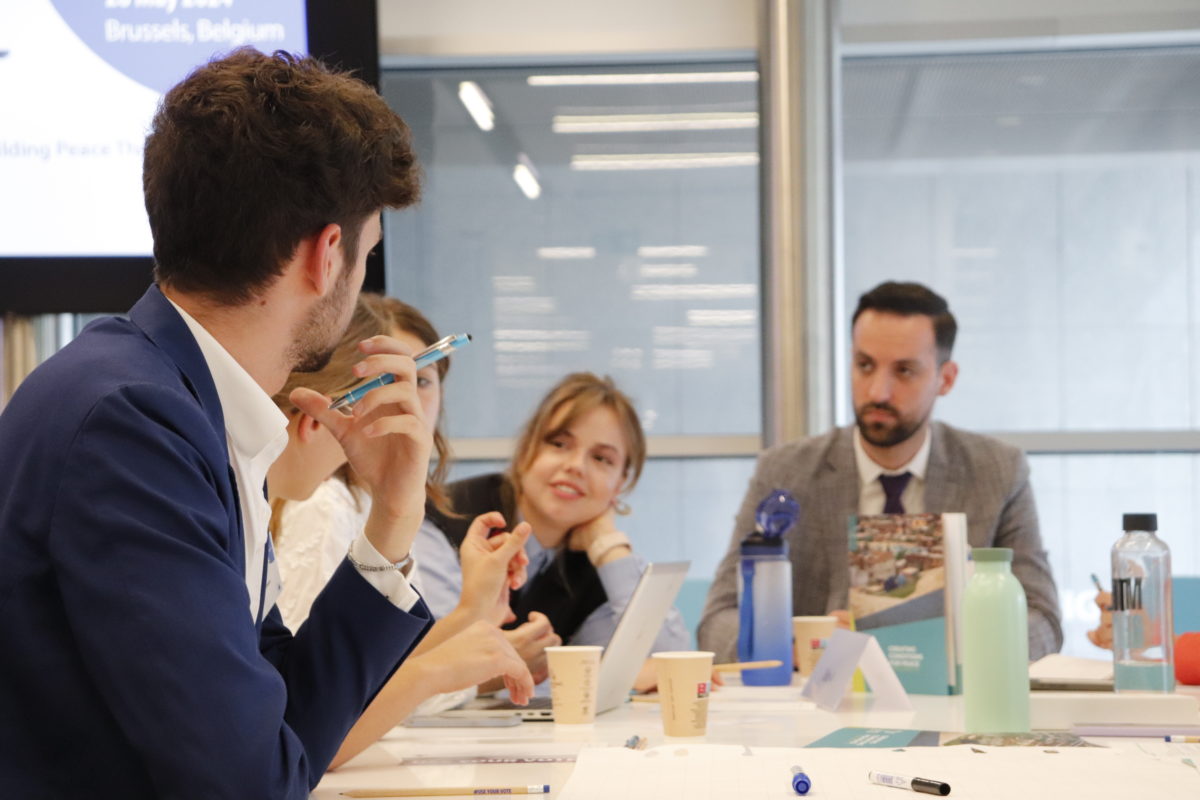
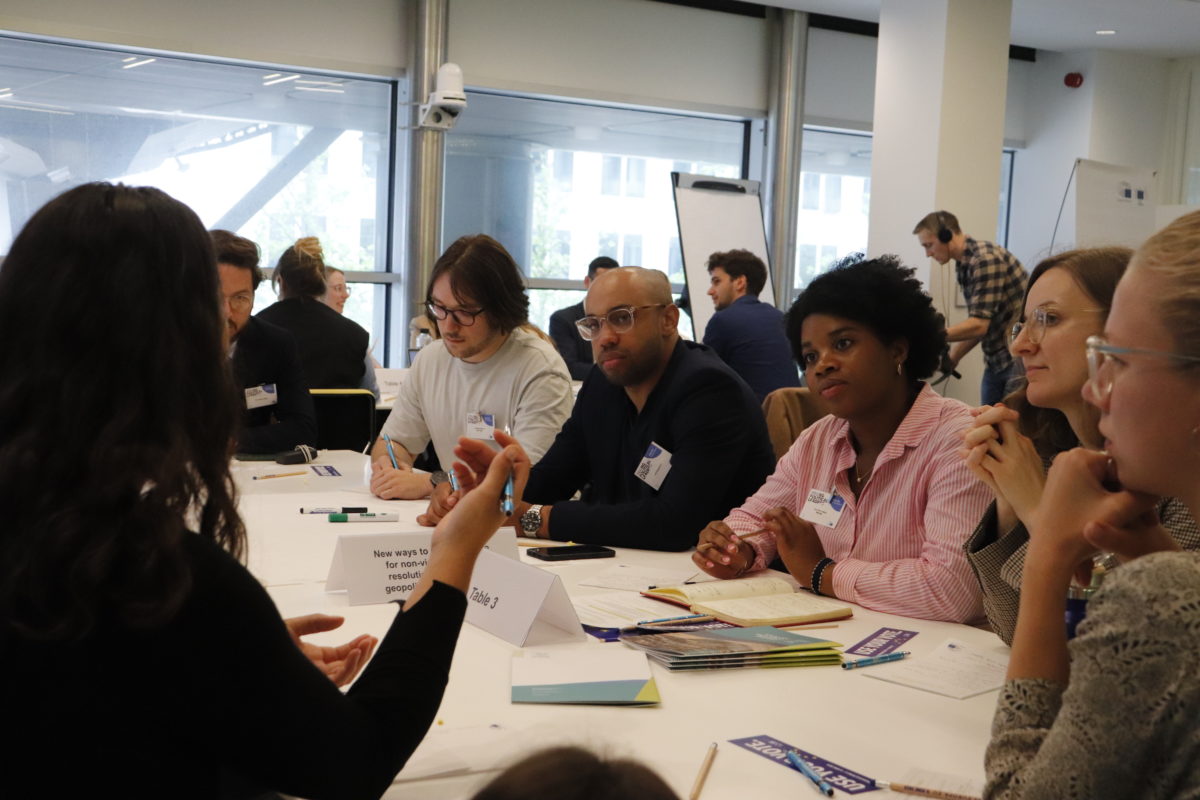
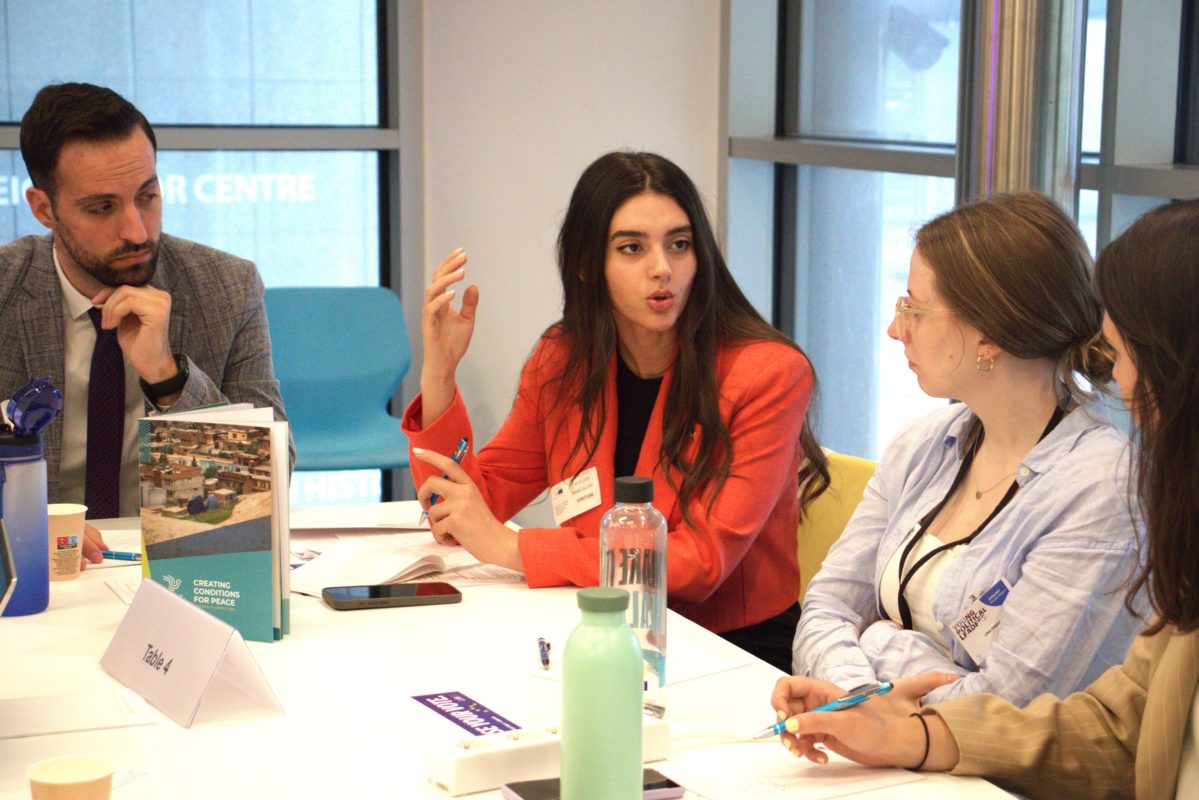


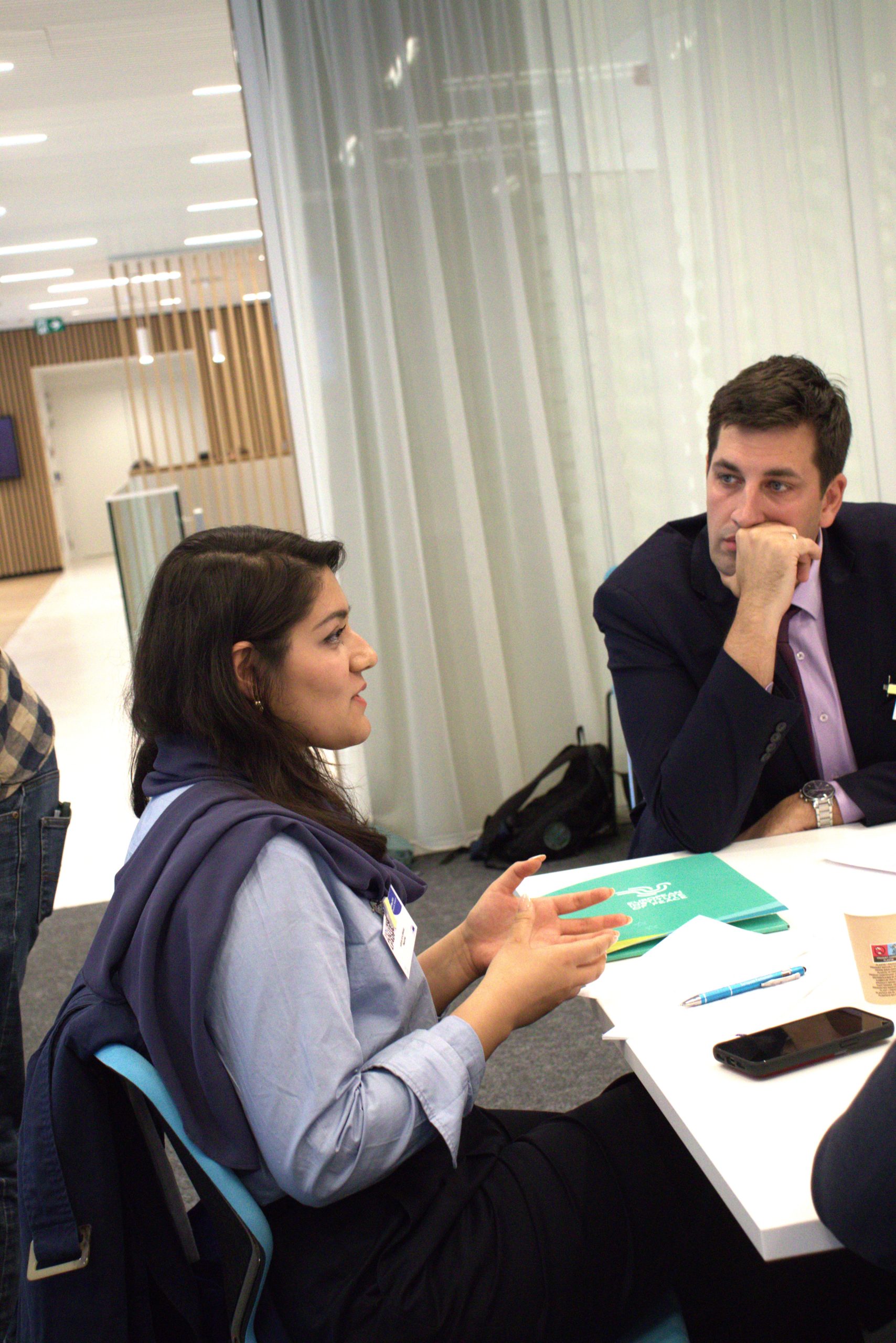
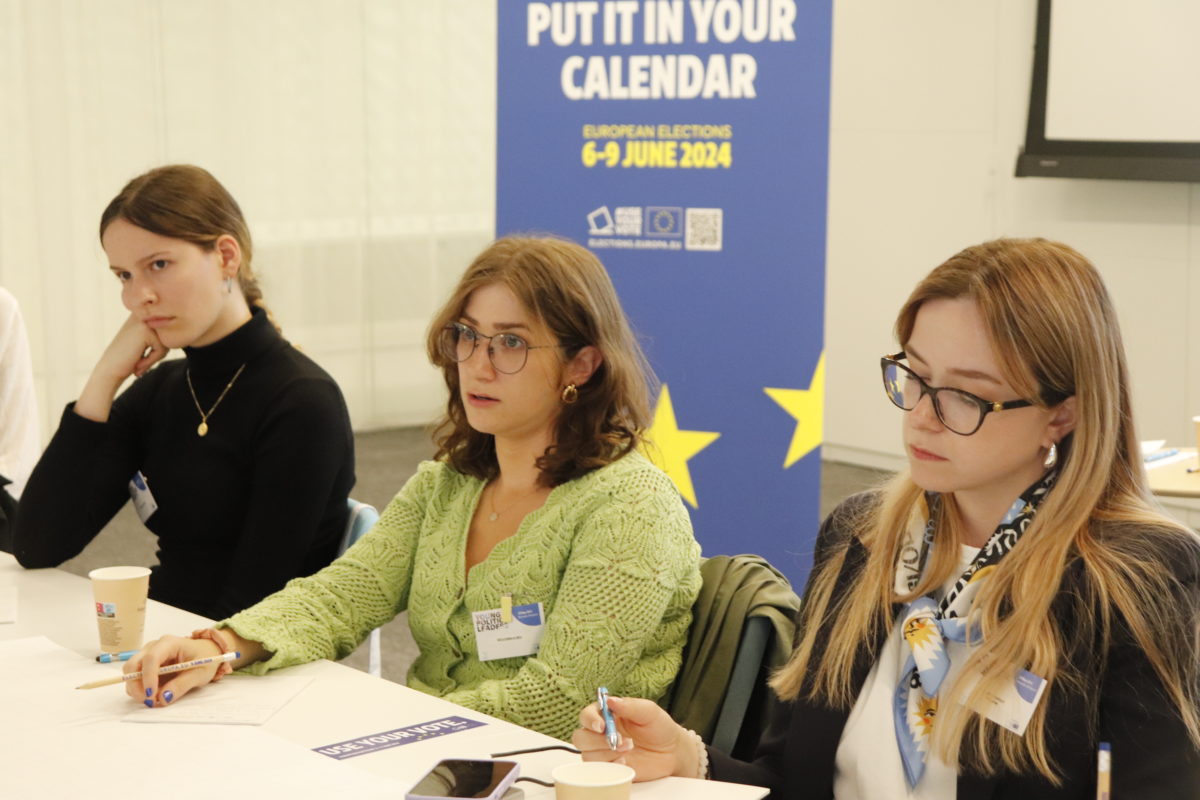

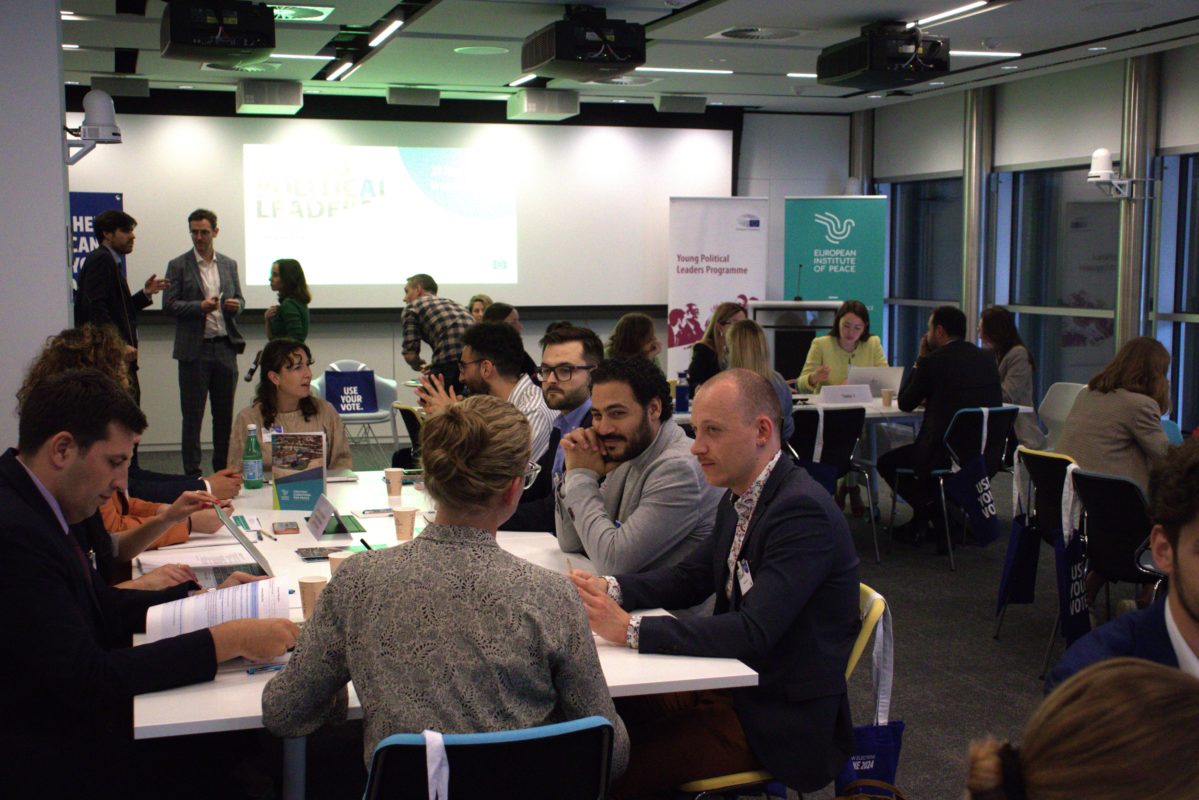
28-29 May, 2024:
A series of events to mark the 10th anniversary of the European Institute of Peace to discuss the current challenges to peacemaking and where we go from here.
The European Institute of Peace was born ten years ago. The objective of its founders was to create a centre of excellence in mediation and conflict resolution. An independent body, the Institute serves as a resource for states, the EU and civil society. Its activities include engaging parties to conflict, supporting dialogue, and initiatives to strengthen the agency of those affected by armed conflict, taking risks for peace and doing things that official actors often cannot.
Our mission is more relevant than ever – for unfortunate reasons. The number of people killed in armed conflict, levels of physical and mental violence, and humanitarian needs, both acute and chronic, are going up. Many more people now live in ‘no war, no peace’ situations, living with uncertainty, caught up in long-running internationalized civil wars and unresolved disputes.
The pace of climate change, demographic shifts, threats to health and digitalisation have accelerated. Instead of propelling solidarity in the face of common threats, they have resulted in divisiveness and competition. At the same time, the authority of the United Nations and other bodies set up to address these challenges, to prevent and resolve wars has diminished.
Europeans are facing a new reality, whether as a parties to the war in Ukraine or as the political impact hits home of war in the Middle East and of long-running unresolved conflicts in its broader neighbourhood. States and powerbrokers are employing an ever wider variety of means, military, economic and informational, to assert their interests and delegitimize their adversaries. This is prompting a significant change of gears.
Europe has long prided itself for being a peace project, recognising that dialogue, diplomacy and mediation are not alternatives to defence and deterrence but are essential tools in the search for lasting peace and security. At best, there is a risk this may be forgotten as priority is given to military preparedness and economic securitisation, and that focus on the war in Ukraine will result in the deprioritisation of investment in conflict resolution elsewhere. At worst, dialogue with adversaries may become unacceptable, and peacemaking denigrated as irresponsible.
To mark our 10th anniversary, we will host a series of events to take stock of peacemaking, its direction of travel and challenges ahead for Europeans, not least for young people. Is the political space and support for dialogue shrinking? Is enough being done to support civil society including to engage young people? What needs to done to protect investment in peacemaking and mediation?
Contact: Paul Nolan, Public Affairs and Communications Officer: paul.nolan@eip.org
Participants
Executive Director, European Institute of Peace
President of the Board, European Institute of Peace
Minister of Foreign Affairs, European Affairs and Foreign Trade and the Federal Cultural Institutions
President and CEO, ACLED
Member of Parliament of Finland
Former Minister of Foreign Affairs of Spain and Visiting Professor, Georgetown University
Ambassador of Finland to the Federal Republic of Germany
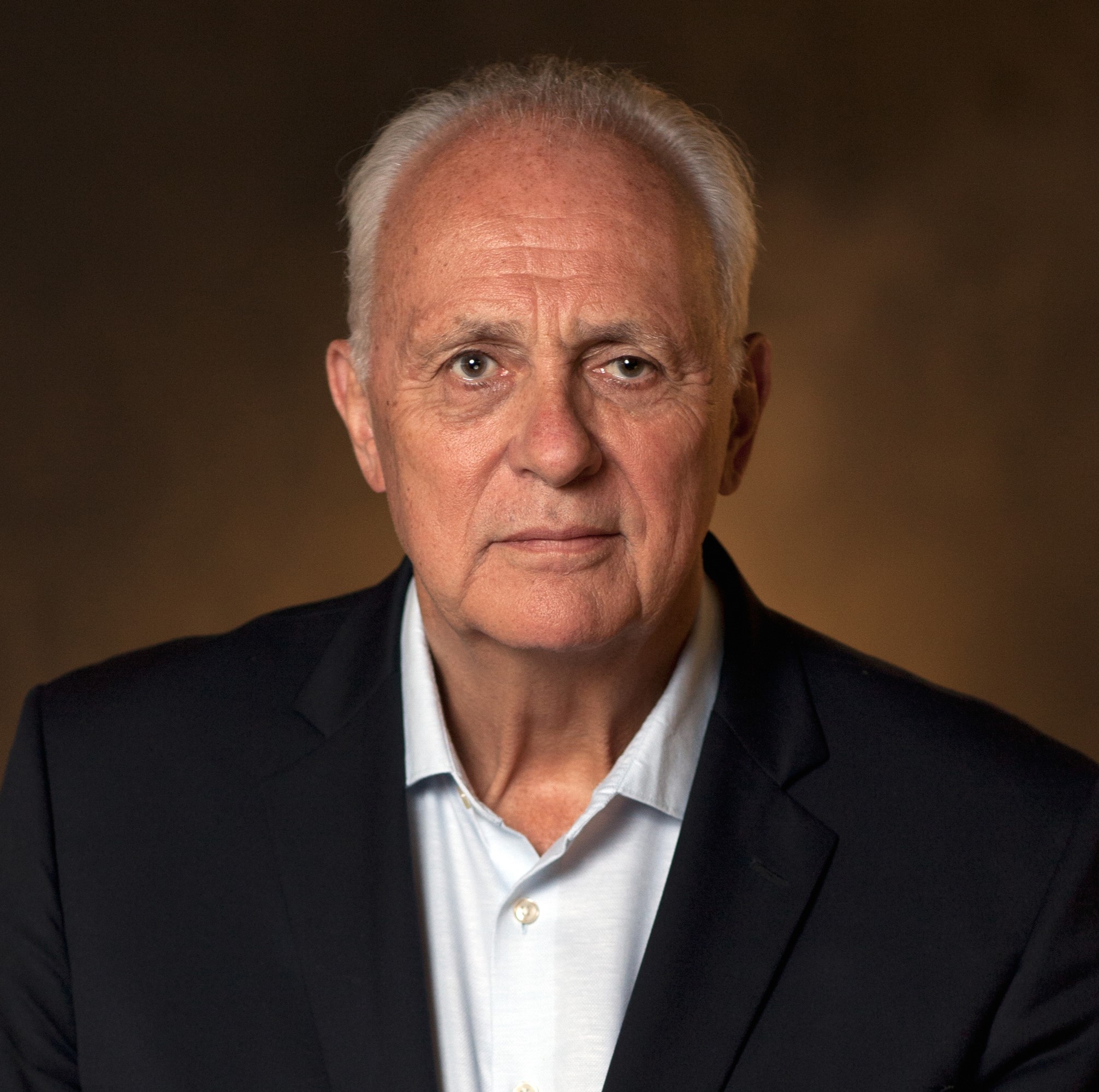
President of the Open Society Foundations
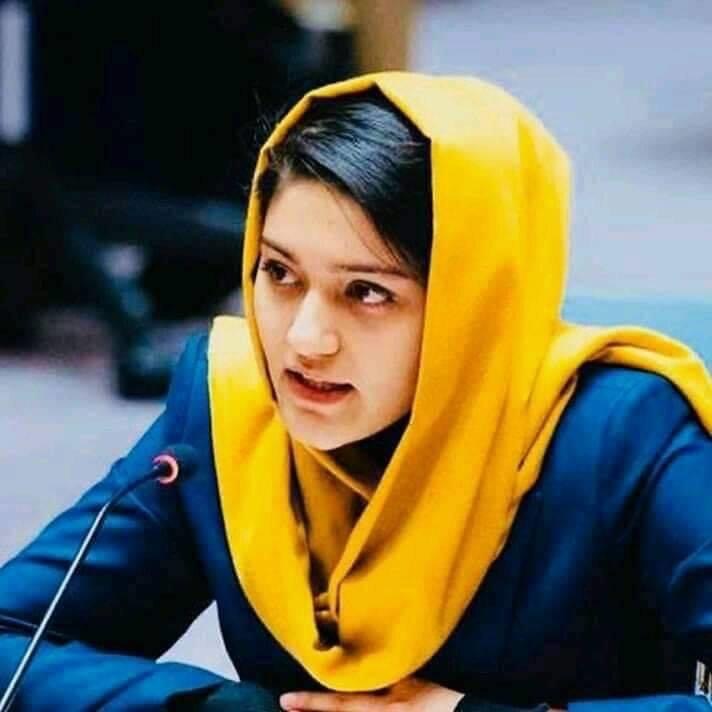
Former Afghan youth representative to the UN 2019 and the director of E-learning initiative in Afghanistan
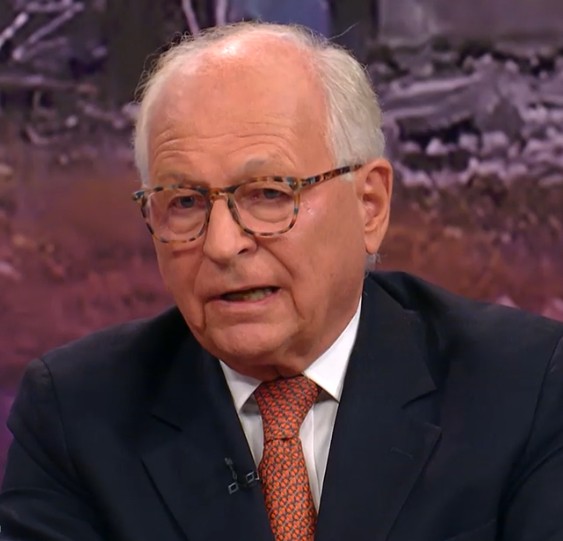
Ambassador (ret.)
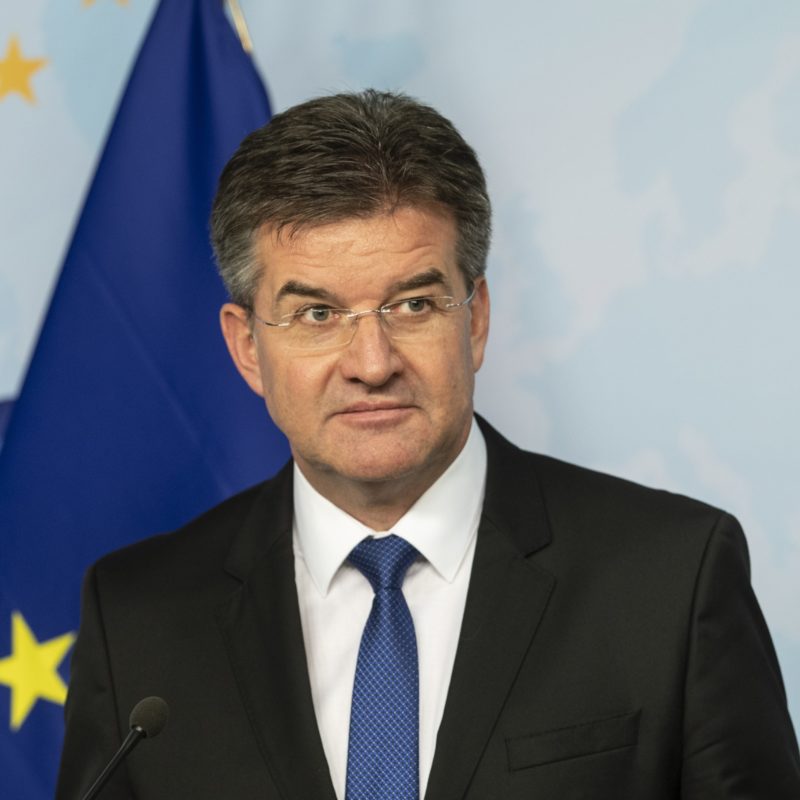
EU Special Representative for the Belgrade-Pristina Dialogue and other Western Balkan regional issues
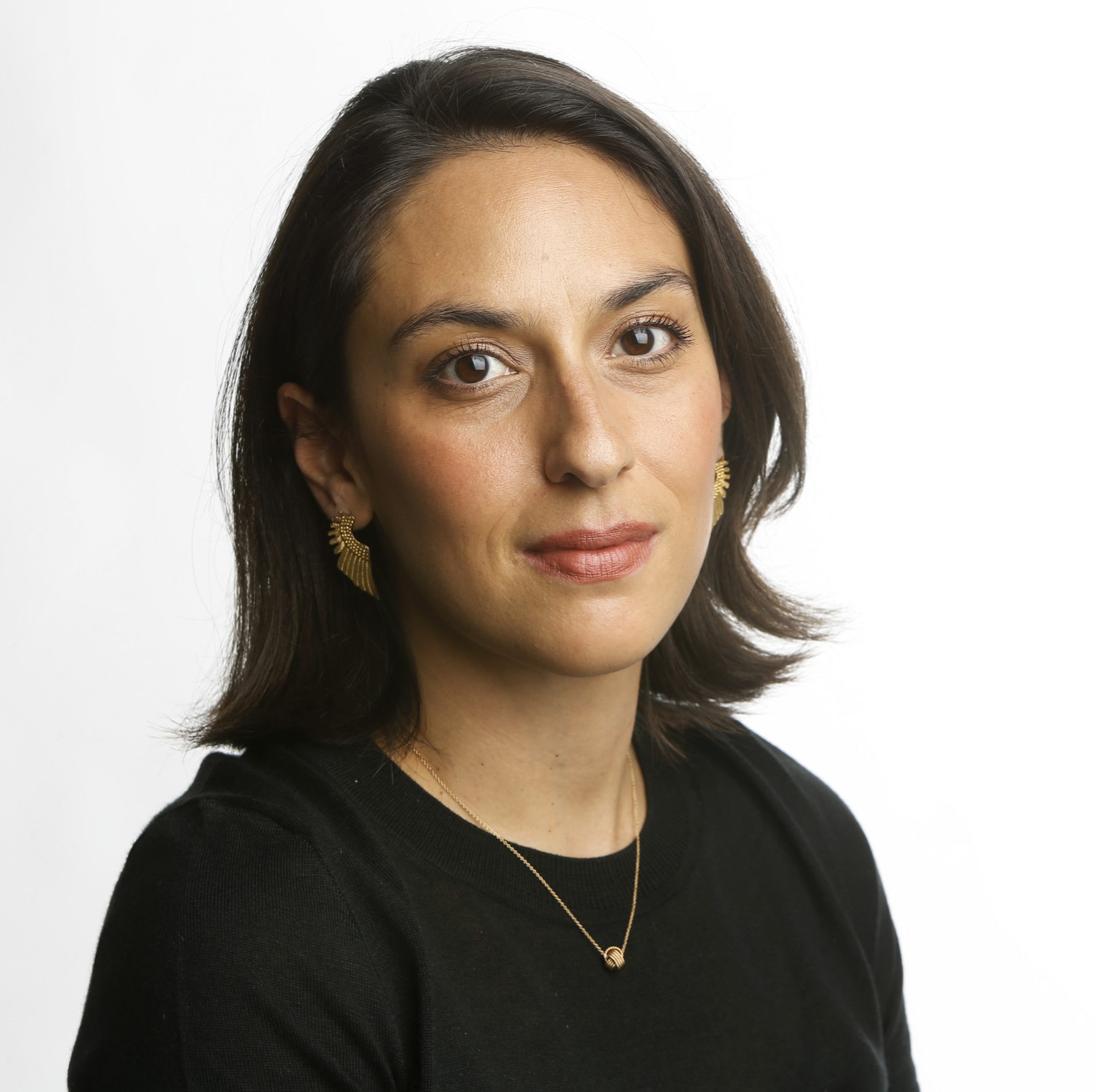
Brussels bureau chief, The New York Times
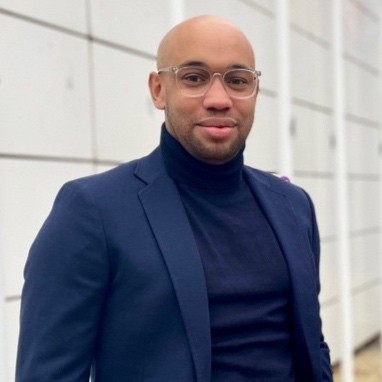
Lawyer and Political Advocate
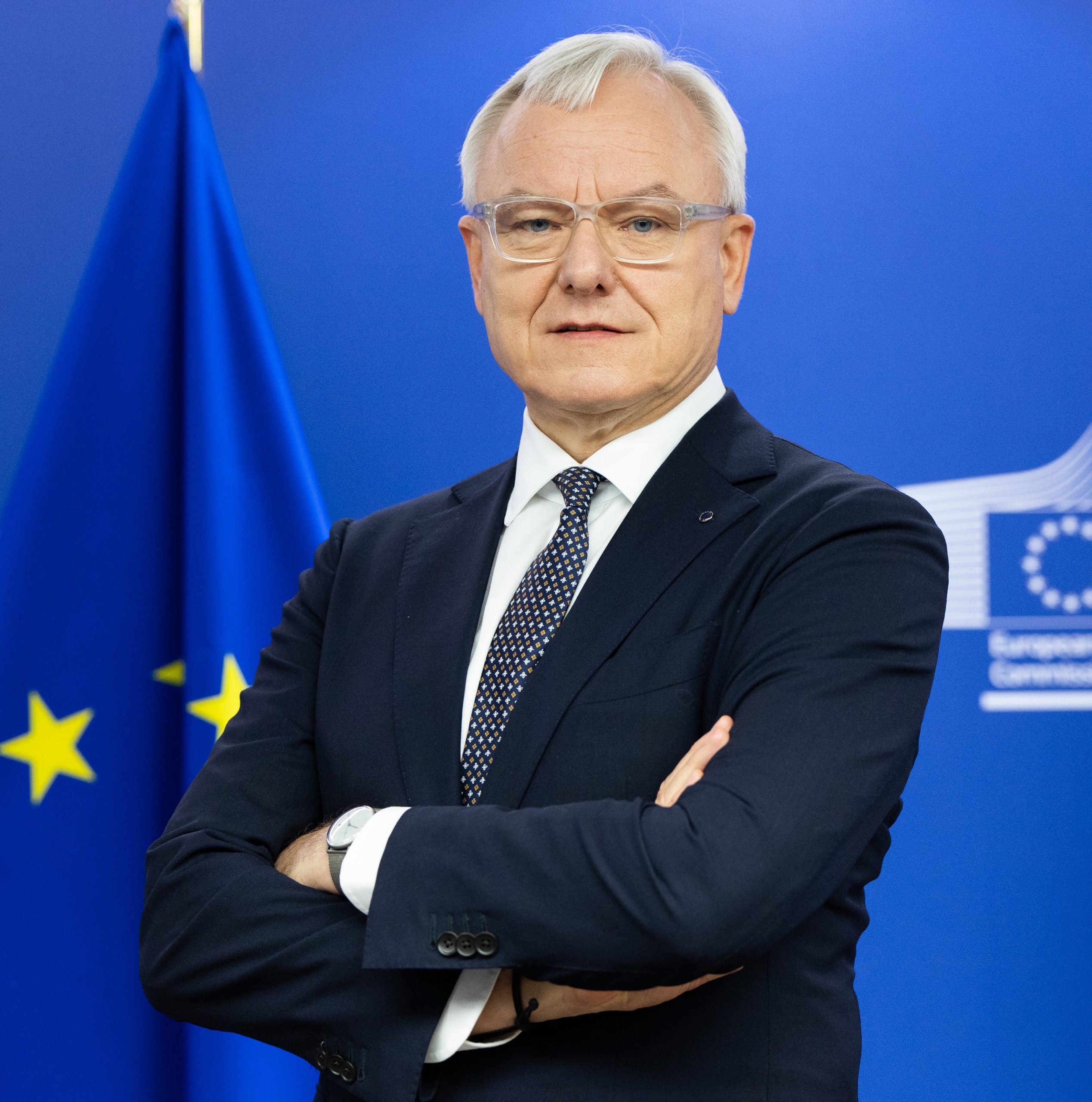
Head of the European Commission Service for Foreign Policy Instruments (FPI)
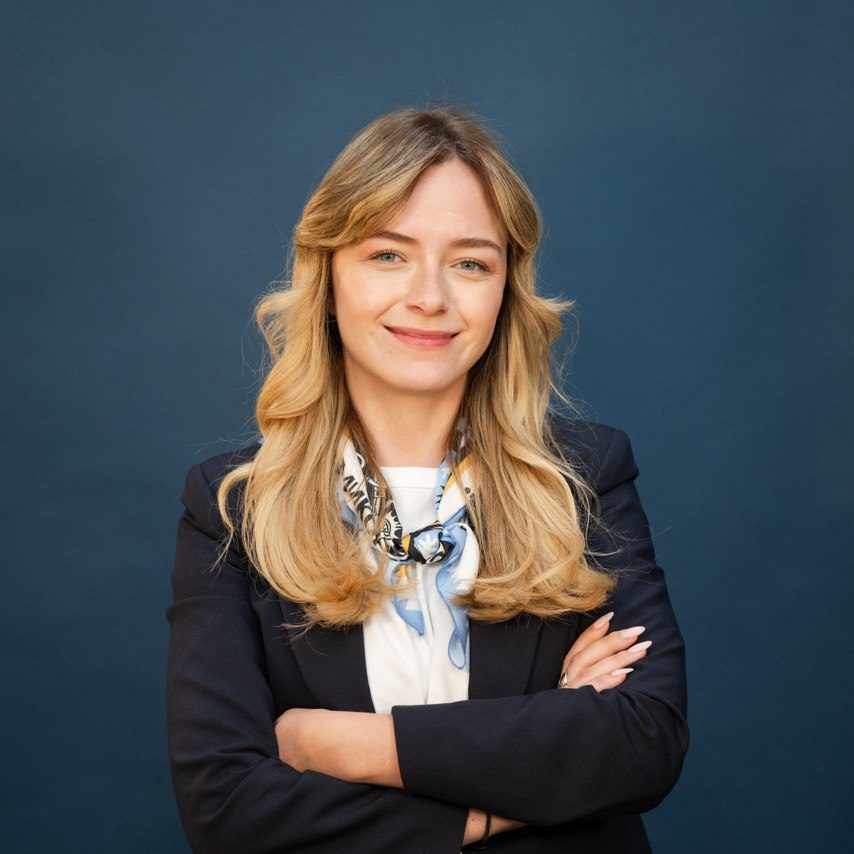
Ukrainian women rights activist, Communications Specialist, Participant of the Women’s Peace Leadership Programme, OSCE
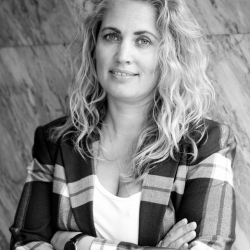
Director for Engagement, Dialogue and Process Design and Deputy Executive Director at the European Institute of Peace

Senior Advisor European Institute of Peace and Former Minister of International Development of Norway
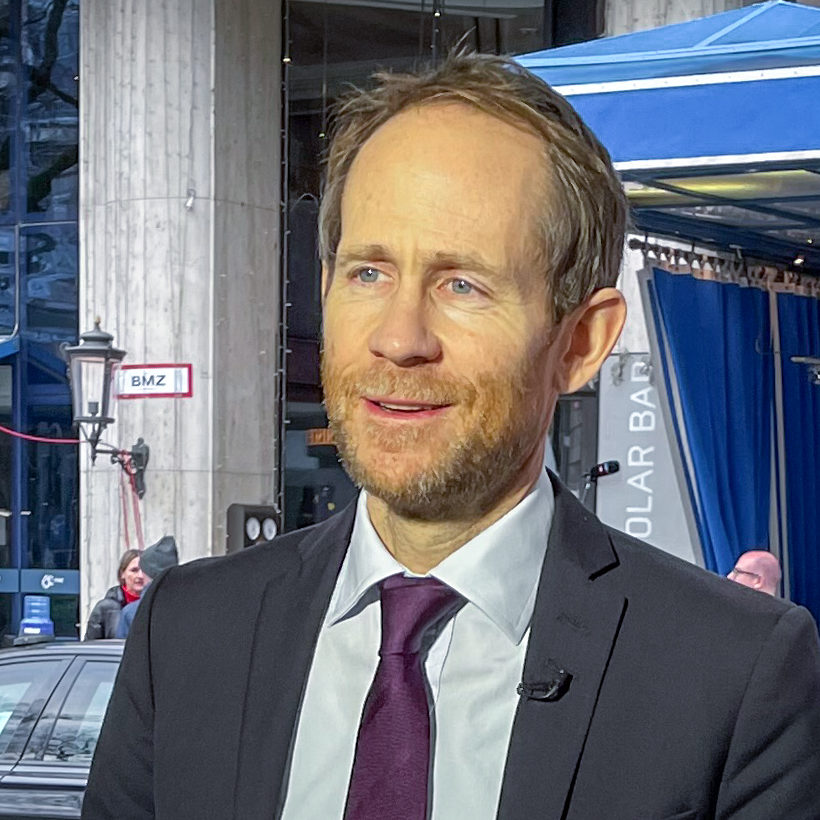
Executive Vice President, Crisis Group
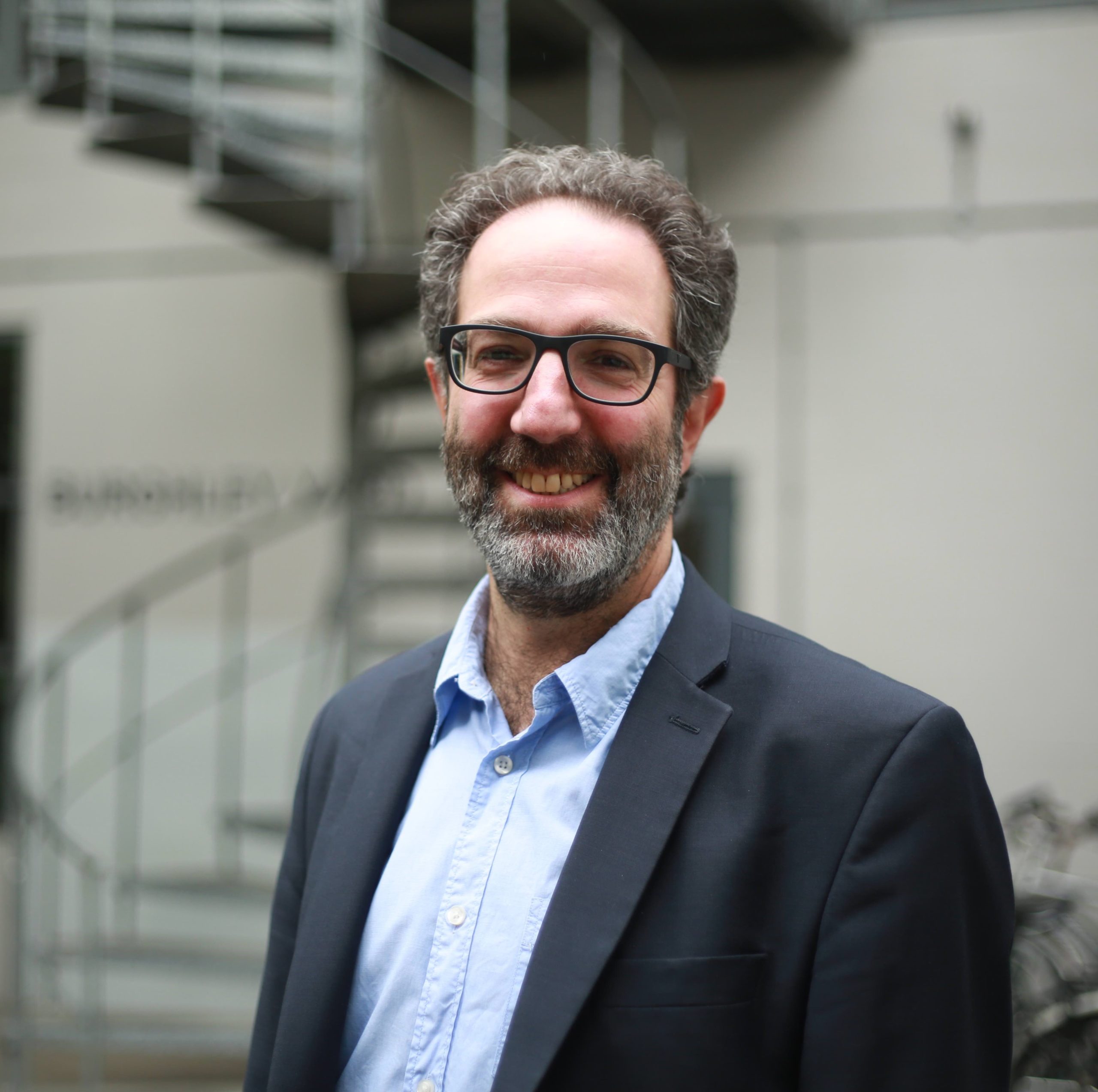
Executive Director, Conciliation Resources
Director for Peace Practice and Innovation, European Institute of Peace
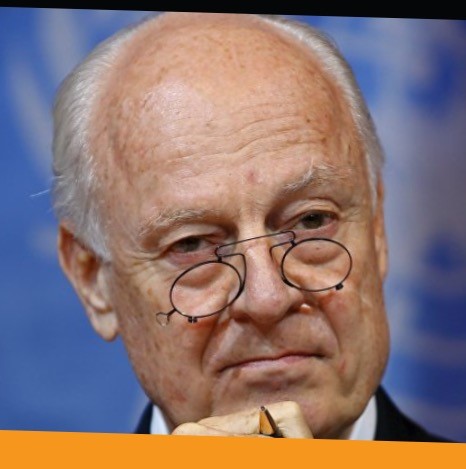
UN Under-Secretary-GeneralPersonal Envoy of the Secretary-General for Western Sahara and Former President of the Board of the European Institute of Peace
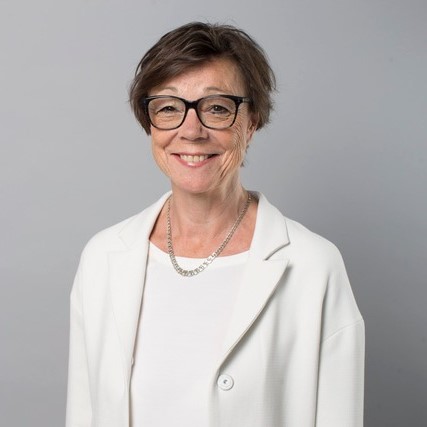
Senior Advisor European Institute of Peace and Former President of the Board, European Institute of Peace
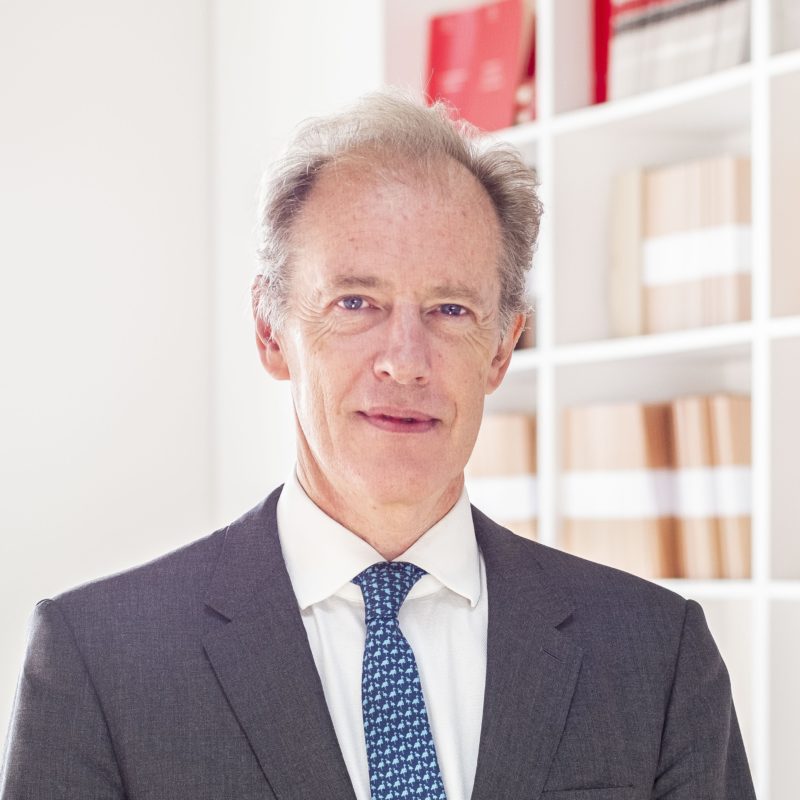
Executive Director, Berghof Foundation
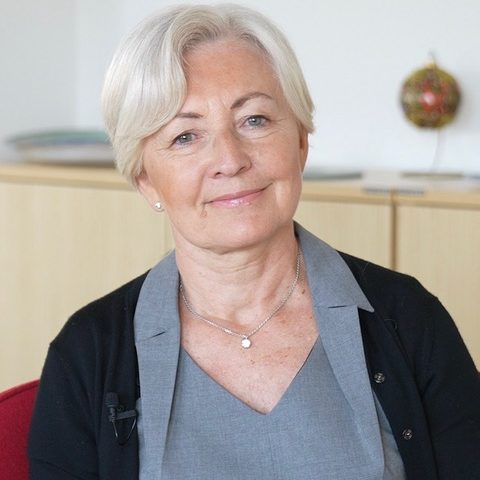
Former Director General (for Migration and Home Affairs (2020- 2023) and for Humanitarian Aid and Crisis management (2015-2019), European Commission
Youth activist, former chairperson of the Assembly of Bosnian-Podrinje Canton Goražde
Co-Chair, ECFR and former Prime Minister of Sweden
Member of the Parliament of Albania, Democratic Party
Former EU Special Representative for Human Rights
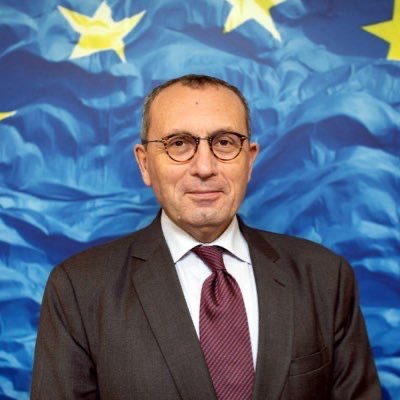
Senior Advisor, European Institute of Peace
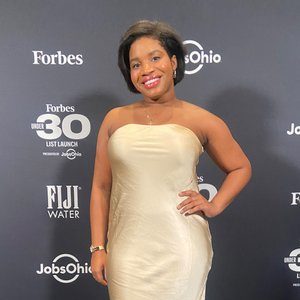
Education Advocate, and Consultant at UNICEF
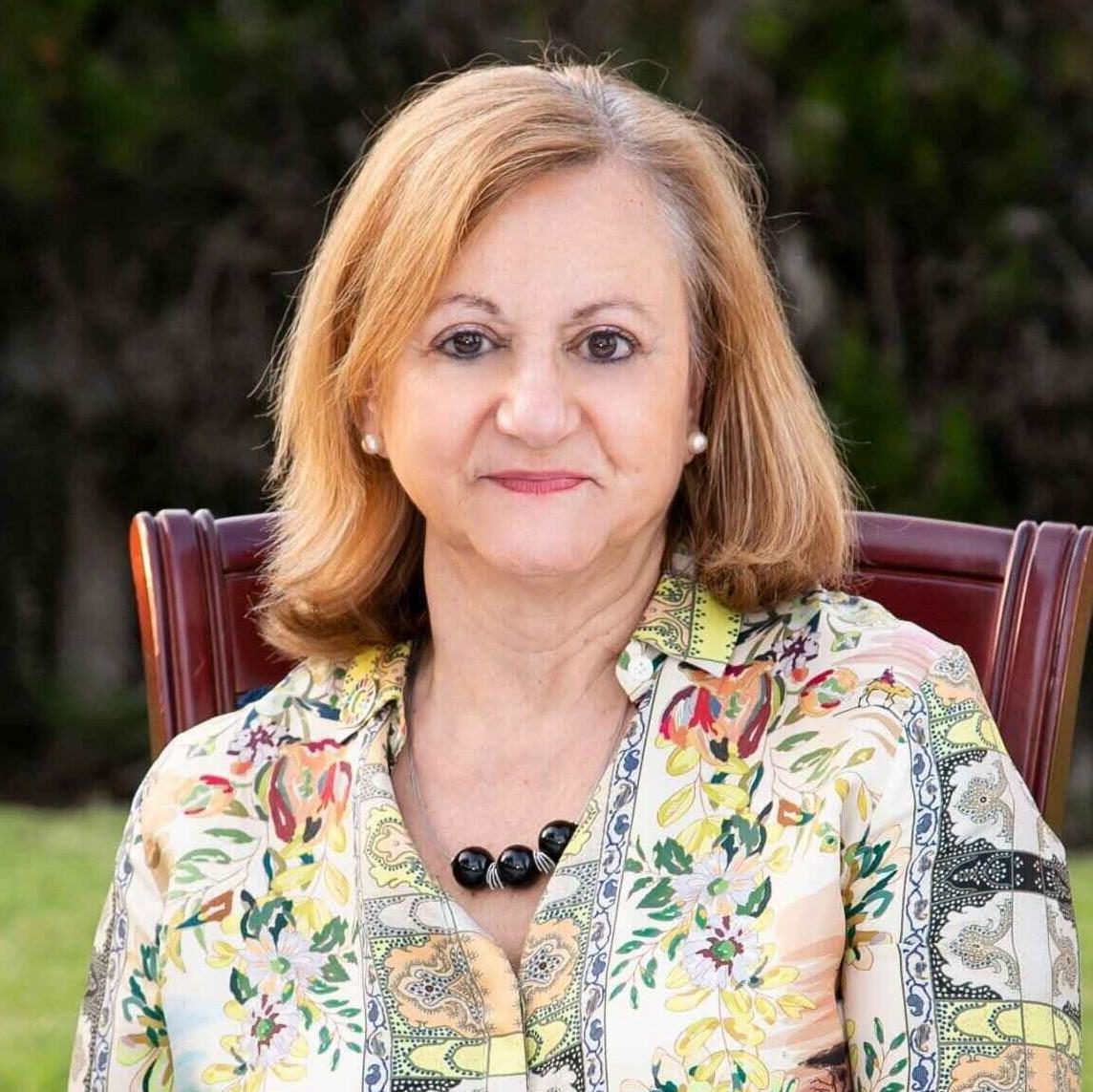
Secretary of the Board, Global Women Leaders- Voices
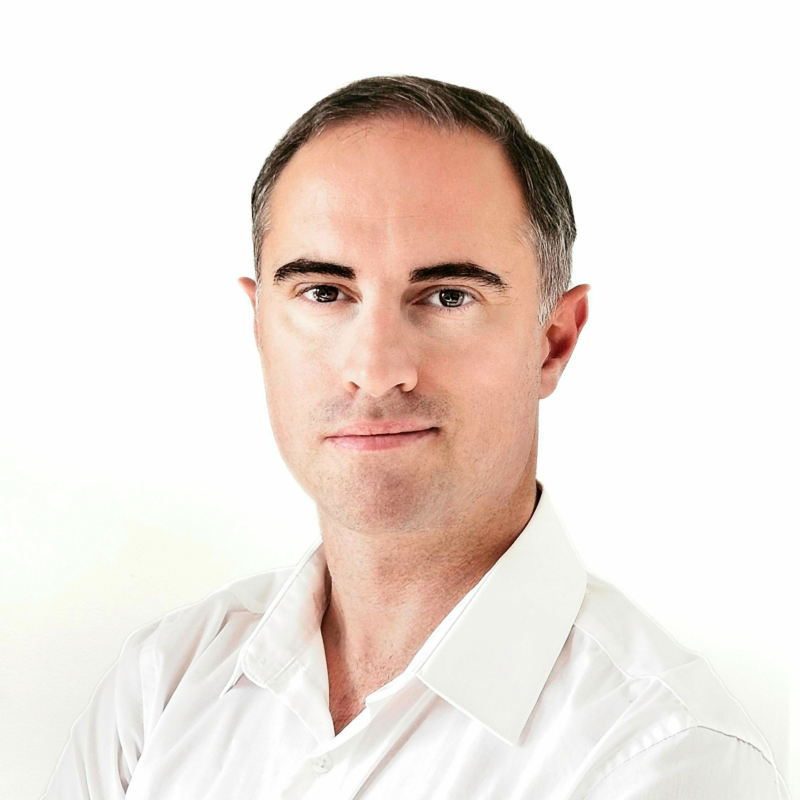
CEO and Co-Founder, Horizon Intelligence (Hozint) and Friends of Europe’s European Young Leader (EYL40)
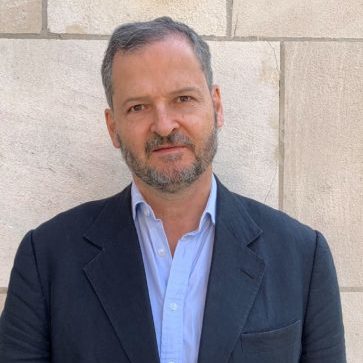
Senior Advisor, European Institute of Peace
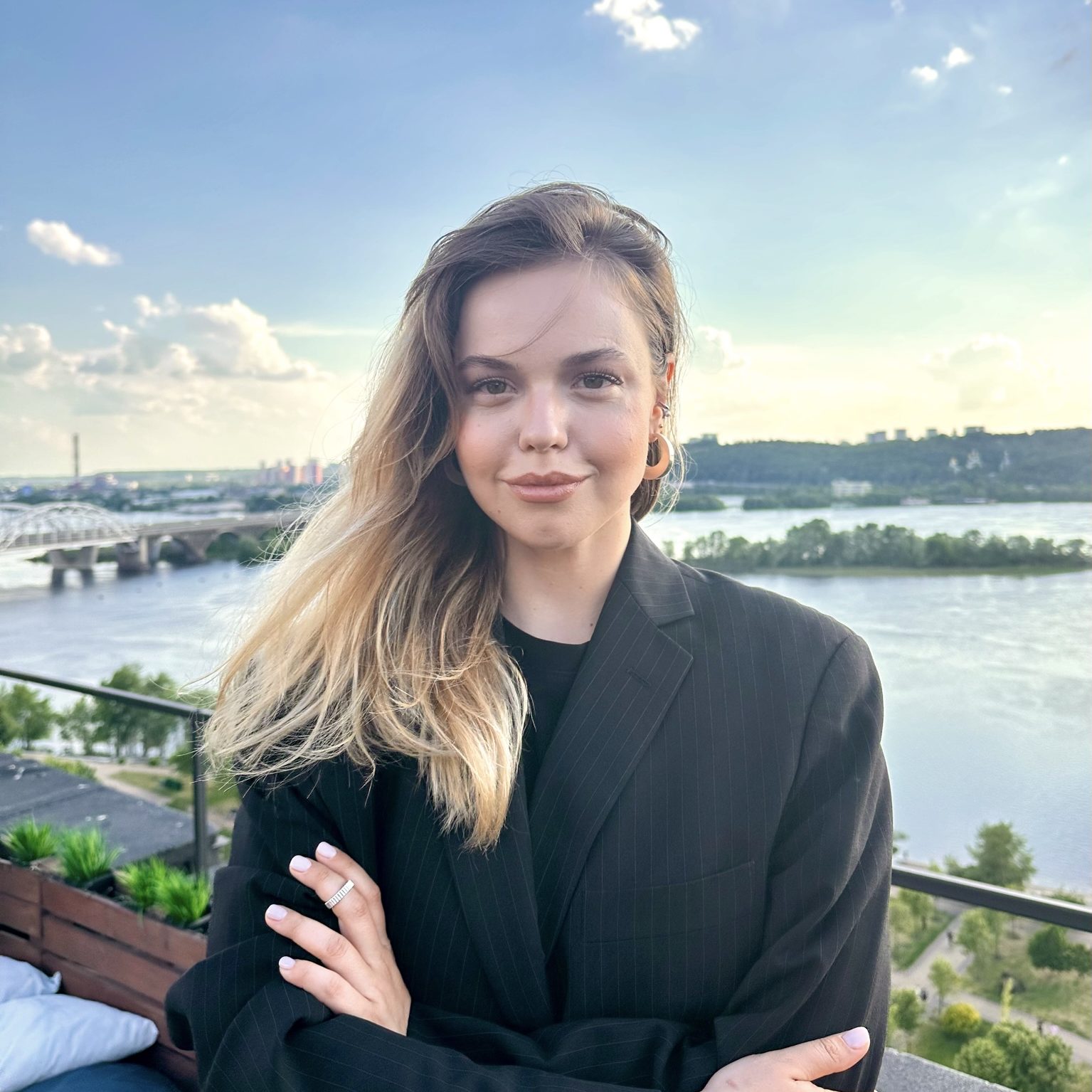
Programme Manager for Kenya, Nigeria, South Africa, Ukrainian Institute
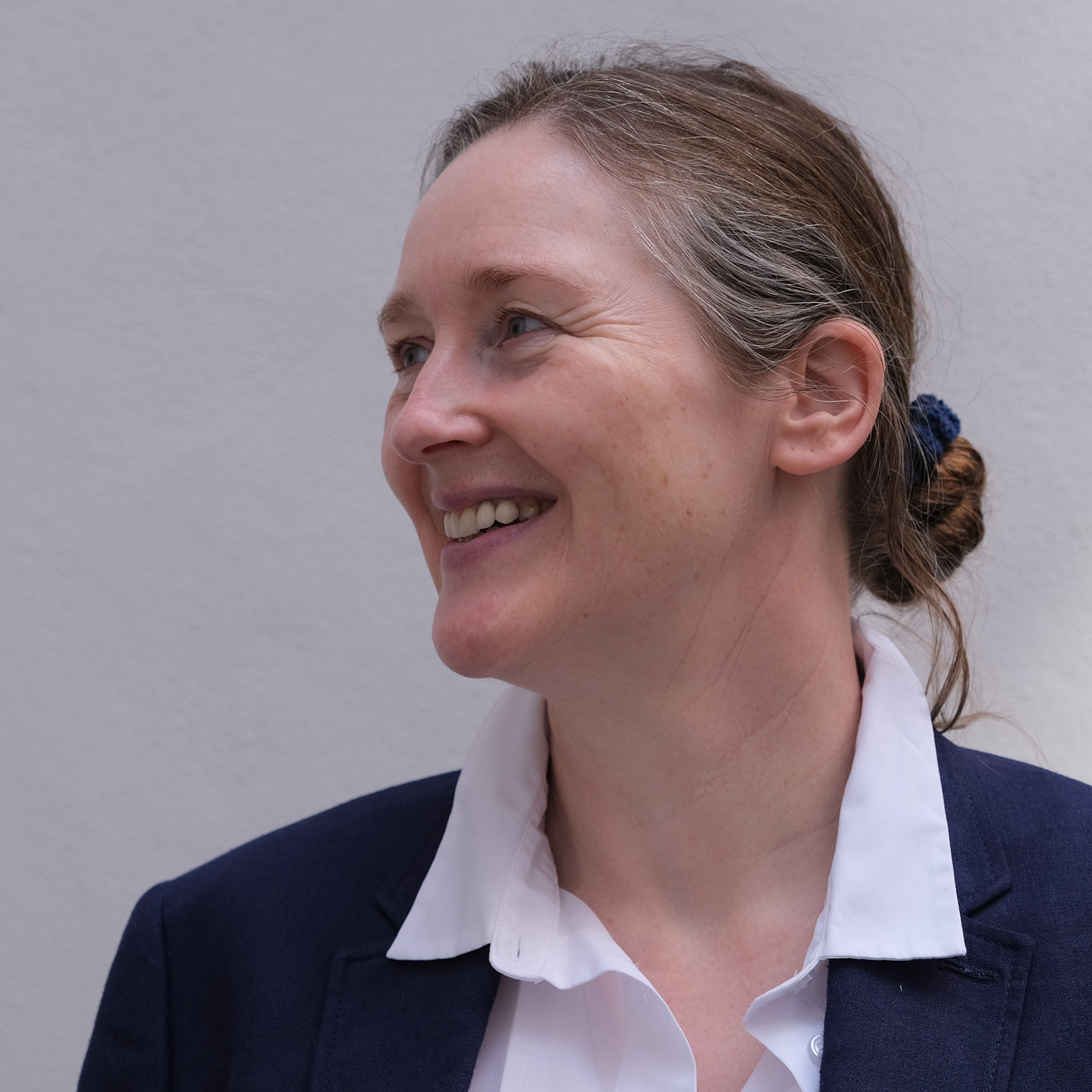
Director of the Conflict Prevention Centre and Deputy Head of the OSCE Secretariat
Programme
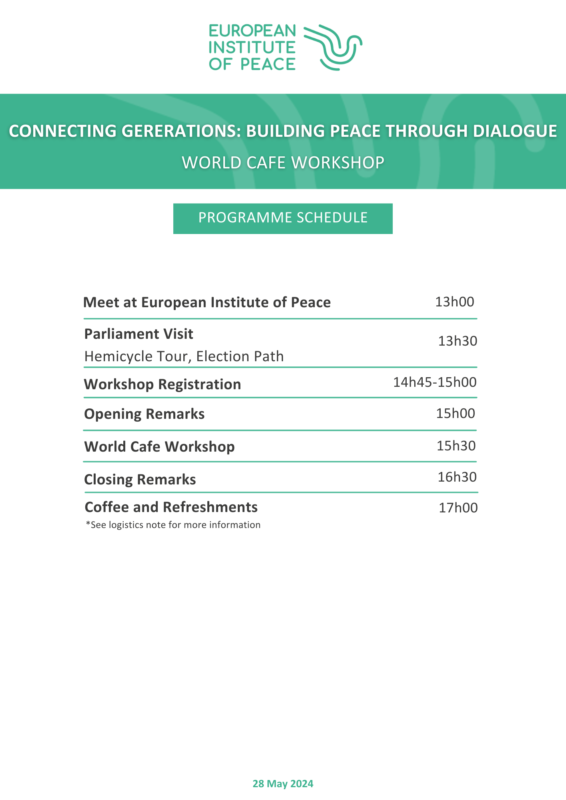
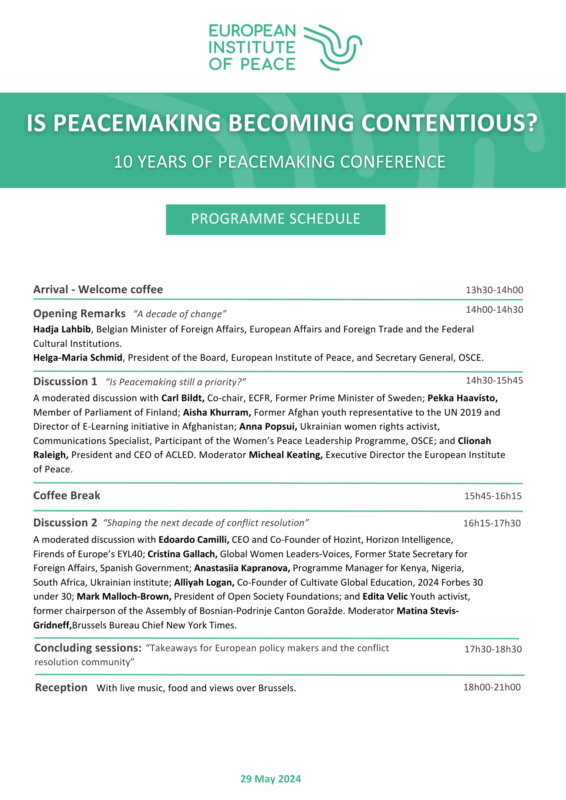
Brussels, 28 May, 2024 – The European Institute of Peace marks its 10th anniversary on 28-29 May. It will use the opportunity to focus on the changing nature and reduced space for peacemaking, particularly from a European and youth perspective.
“The number of people killed in armed conflict, levels of physical and mental violence, acute and chronic humanitarian needs are rising,” said Michael Keating, the Executive Director of the European Institute of Peace.” Many more people now live in ‘no war, no peace’ situations, caught up in long-running internationalised civil wars and unresolved disputes. Peacemaking is both more complex and more needed than ever”.
The Institute was set up to be an independent centre of competence in conflict resolution, partnering with European states, the EU, civil society and the broader peacemaking community. Active in 20 or so countries on four continents, its work includes engaging parties to conflict, facilitating dialogue, supporting mediation, and initiatives that increase the agency of people most affected by conflict. It works with a wide range of partners to create conditions for peace and security.
“The Institute’s mission is more relevant than ever – for unfortunate reasons,” added Micheal Keating. “Threats to peace and security are multiplying. Diplomacy and dialogue are not alternatives to defence and deterrence but an essential part of the mix if political solutions are to be advanced in an increasingly polarised world”.
Two events are being organised to put the spotlight on peacemaking today. The first on Tuesday 28th May is among young people to share views on the biggest peace and security challenges ahead, and how they can play a greater role. On Wednesday 29th, young people and experienced policy makers that have served as foreign ministers, special envoys and mediators will gather to discuss how peacemaking is changing and why it is receiving less political and financial support.
This takes place less than two weeks before European elections and a few months before a new European Commission is appointed. Bandwidth and budgets are being absorbed by the imperative of responding to urgent security threats and supporting Ukraine and, more recently, to conflict in the Middle East, deprioritising attention to conflicts and crises elsewhere.
For more information about the events, please visit the Institute’s website.
Partners and participants:
Together with the European Parliament Young Political Leaders alumni network, Friends of Europe, Forbes, the Kofi Annan Foundation and other partners, we are bringing together young and experienced leaders, including: Hadja Lahbib, Minister of Foreign Affairs of Belgium; Aisha Khurram, Afghan activist and former representative of Afghan youth to the United Nations; Miroslav Lajčák, EUSR for the Belgrade-Pristina Dialogue and other Western Balkan regional issues; Carl Bildt, former Prime Minister of Sweden; Anna Popsui, Ukrainian activist and co-founder of the Young Peacebuilding Leaders network (OSCE); and many others from the fields of diplomacy, international relations, and conflict resolution.
For media inquiries, please contact:
Paul Nolan
Public Affairs and Communications Officer
European Institute of Peace